
Finding mold damaged freight at a dock, warehouse, or roadside stop creates an immediate operational problem. The right first move is not to rush the load forward. Pause handling, separate affected goods from unaffected cargo, prevent additional moisture exposure, and create a clear record before anyone changes the shipment’s condition.
Contact us now for 24/7 assistance with mold damaged freight. We Fix Freight can coordinate urgent rework through a nationwide network of more than 150 service agents.
This guide gives shippers, carriers, brokers, and 3PLs a practical response sequence. It does not decide whether a product is safe, saleable, or compliant. Those decisions belong to the cargo owner and any qualified parties required for the specific commodity. Follow the owner’s instructions plus applicable employer, facility, insurer, and regulatory requirements throughout the response.
What should you do when mold is found on freight?
Answer: Stop routine handling, isolate the affected freight, prevent additional water exposure, document what you see, and notify the cargo owner. Do not clean, discard, or redistribute products until the authorized decision-maker approves a written handling plan for the specific load.
- Pause the move. Hold the affected pallets or cartons in a controlled location while the parties decide what happens next.
- Separate the freight. Create physical distance from apparently unaffected goods and restrict unnecessary handling.
- Protect the area. Address active leaks or exposure without disturbing more freight than necessary.
- Document the condition. Capture wide and close photos, video, pallet IDs, lot numbers, counts, and timestamps.
- Notify the right parties. Share the initial record with the cargo owner and any broker, carrier, facility, insurer, or claims contact required by the shipment.
- Build an approved plan. Confirm who can authorize sorting, repackaging, holding, return, delivery, or disposal.
A calm first response protects the evidence and gives decision-makers useful information. Avoid moving affected cases through several areas just to make room. That can blur the original condition, complicate counts, and create more work.
Isolate mold damaged freight without losing control
A strong isolation plan keeps affected goods separate, preserves shipment identity, and limits unnecessary movement. It should establish a controlled holding area, identify what may enter or leave, and keep every pallet or case tied to the original load record.
Choose a controlled holding area
Select a location that protects freight from rain, standing water, roof leaks, and other moisture sources. Keep apparently unaffected cargo apart from goods showing visible growth, damp packaging, staining, or odor. When the facility has its own incident-area rules, use them.
If freight remains in a trailer or container, confirm the location is safe for access and note any water, condensation, ventilation issue, or damaged seal. Do not assume opening doors or adding airflow is the correct action for every commodity. Obtain owner direction when the next step could change product condition.
Preserve identity and access control
- Mark the hold area and restrict unnecessary entry.
- Keep pallet, lot, carton, and shipment identifiers visible.
- Record every item moved into or out of the area.
- Use separate handling equipment when the facility or approved plan requires it.
- Follow site-selected personal protective equipment and work-practice requirements.
The CDC’s general information about mold and health can help teams understand why exposure questions should be handled carefully. For cargo-specific decisions, rely on the qualified parties identified by the owner.
Isolation also makes later decisions easier. When the affected area, identifiers, and movement log remain clear, teams can compare observations without repeatedly handling the entire load. That saves time during owner review and gives a rework crew a cleaner starting point.
How to assess moisture and mold damage
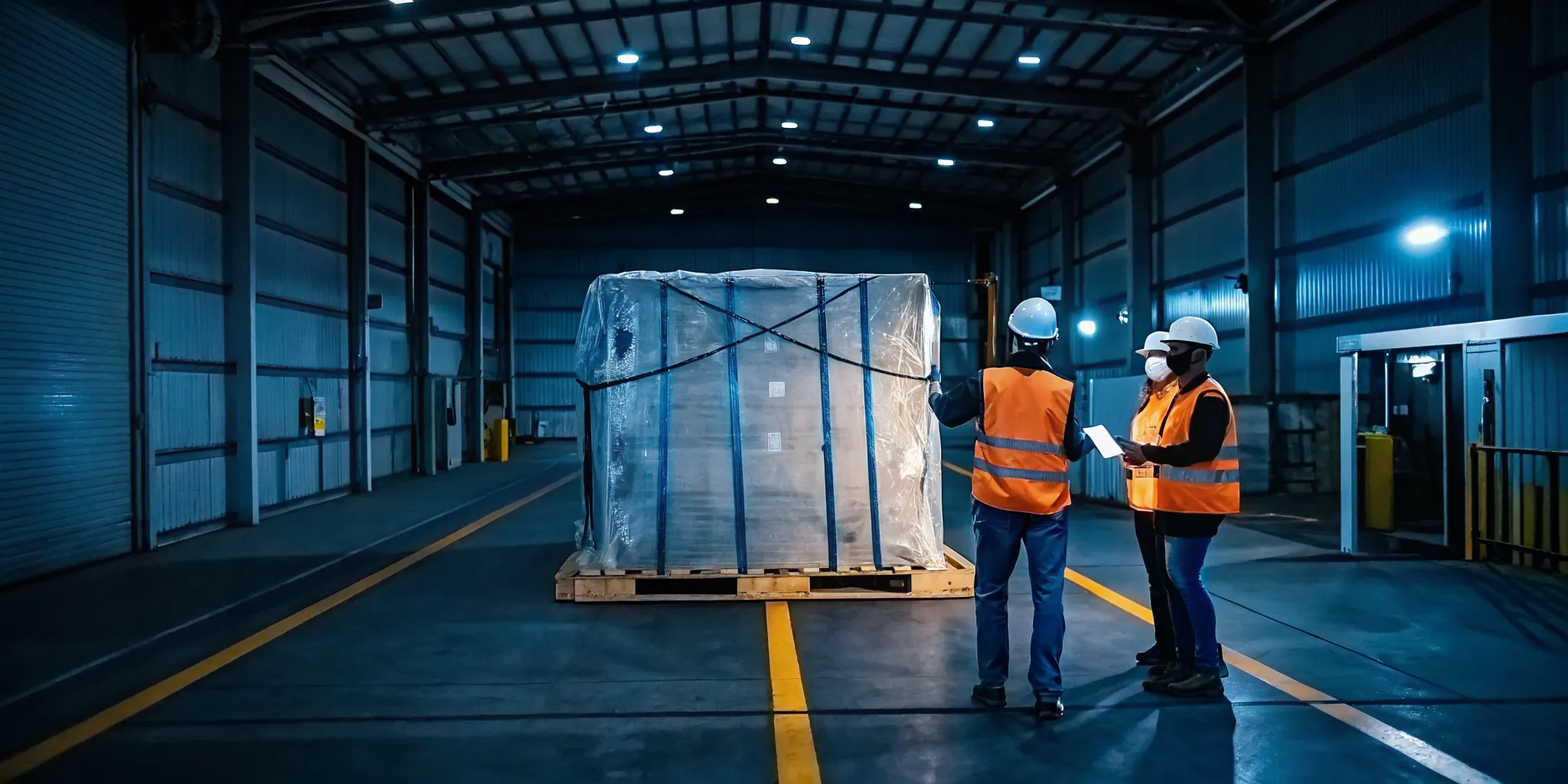
Assess from the outside in and record facts, not guesses. Start with the trailer, container, wrap, pallet, and outer cartons. Then expand the review only as authorized. The goal is to define the apparent scope while preserving evidence and avoiding unsupported conclusions.
Trace the moisture pattern
Look for active leaks, condensation, wet flooring, torn wrap, collapsed cartons, staining, softened corrugate, or damaged roof and door areas. Photograph both the likely source area and its relationship to the affected freight. State what is visible rather than declaring a cause before the evidence supports it.
Compare packaging and product conditions
Separate observations about packaging from observations about the product itself. A wet outer carton does not automatically establish the condition of the product inside. Likewise, clean-looking wrap does not rule out hidden moisture. If opening cases or removing wrap is approved, document the condition before and after each layer is disturbed.
| Observed condition | Immediate control | Decision needed |
|---|---|---|
| Wet or stained outer packaging | Isolate and photograph before handling | Whether authorized inspection or repackaging is appropriate |
| Visible growth on cartons or pallets | Restrict movement and separate affected units | Commodity-specific assessment and disposition |
| Broken wrap or unstable pallet | Stabilize only as needed for safe control | Approved restacking and rework plan |
| Apparently unaffected neighboring freight | Keep separate and preserve identifiers | Whether additional inspection is required |
Assessment should produce a practical scope, not a broad conclusion. Identify which pallets need more review, which units appear unaffected but must remain on hold, and which packaging problems can be addressed under the approved work order. Record unanswered questions so they reach the correct decision-maker.
Document the freight condition before rework begins
A complete incident record shows what was found, where it was found, and what changed during response. Capture shipment identifiers, visual evidence, counts, timestamps, instructions, and disposition decisions. That record helps the cargo owner, carrier, broker, facility, and insurer work from the same facts.
Build a useful photo and video record
Begin with wide images showing the trailer, container, dock, or holding area. Then capture each affected pallet and close details of visible moisture, growth, stains, tears, and crushed packaging. Include labels or identifiers only when needed for the operational record, and protect confidential information according to company policy.
Keep a movement and decision log
- Shipment, trailer, container, seal, pallet, case, lot, and SKU identifiers
- Date, time, location, weather or facility conditions when relevant
- Initial counts and the location of affected goods
- Names or roles of people authorizing each action
- Counts sorted, rewrapped, repackaged, held, returned, delivered, or disposed of
- Photos and final condition records tied to the matching pallet or lot
Do not overwrite the initial record as conditions change. Add dated updates so reviewers can follow the sequence. For broader claims documentation practices, see this damaged freight repair guide.
Clear documentation also improves shift changes. A new team should be able to see which goods remain untouched, which goods have entered rework, and which decisions are still pending. Use a consistent naming system for photos and logs so evidence can be matched to the correct pallet without guesswork.
Repackage and remediate freight with an approved plan
Freight rework should follow a written scope that identifies what may be handled, how goods will be separated, and who approves the final disposition. A controlled process prevents teams from making inconsistent decisions pallet by pallet and creates a reliable final count.
Confirm the scope before labor begins
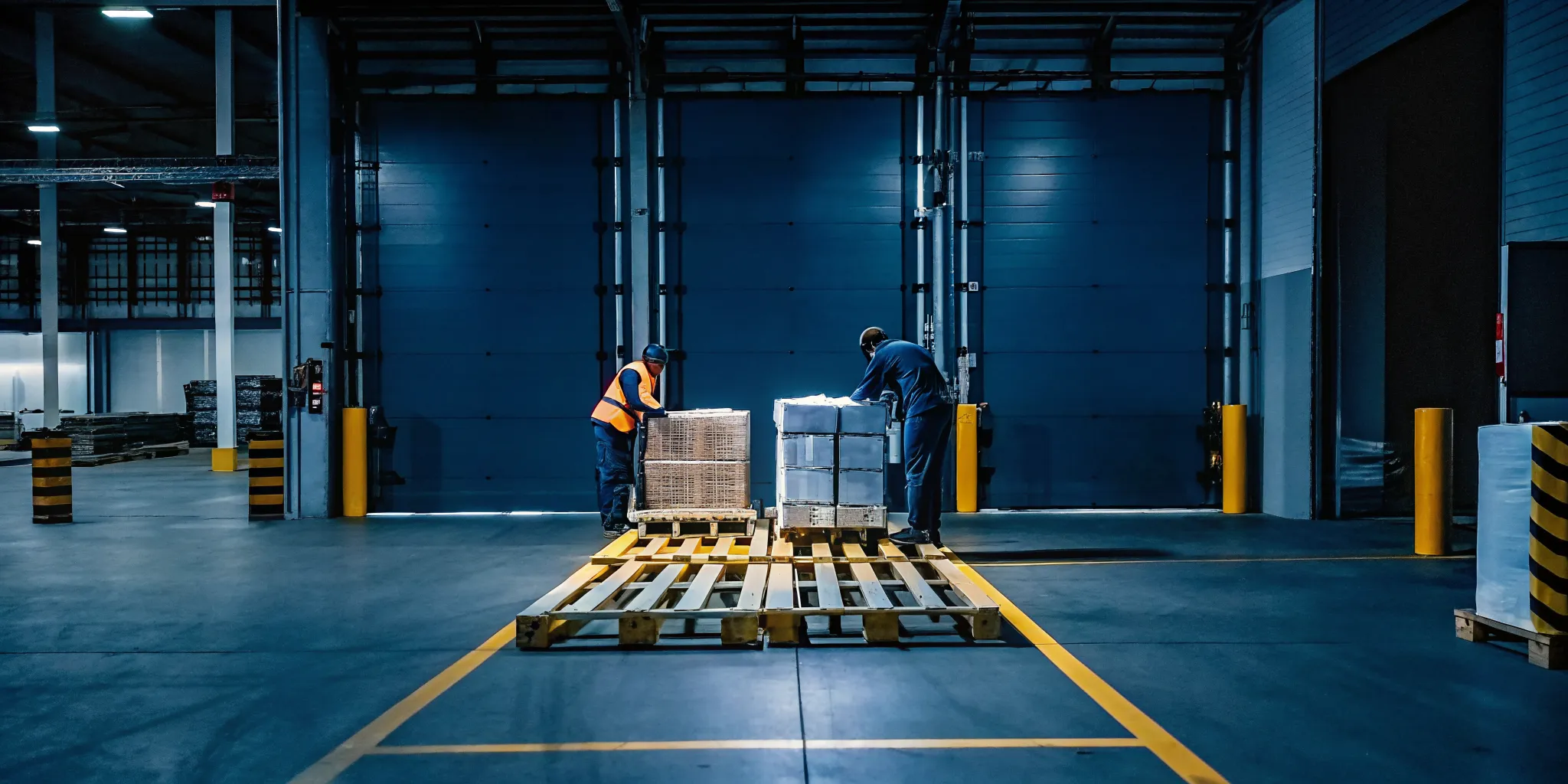
The work order should identify the authorized actions, the product groups involved, the standards for replacement packaging, and who can answer exceptions. If the owner requires a specialist assessment, testing, or commodity-specific procedure, complete that step before using general freight-rework methods.
Sort, repackage, and restack methodically
Create separate zones for goods awaiting review, approved for rework, completed, and held for disposition. Replace compromised packaging only when authorized. Keep original identifiers with the product and apply new labels only under the approved process. Build stable pallets, use appropriate wrap or banding, and photograph completed work.
When a load must move to another facility for work, a coordinated cross-docking response can transfer freight into a controlled environment. When goods must shift between transport modes or equipment, transloading support may be part of the approved plan.
Reconcile counts before release
At the end of the rework, reconcile every unit against the initial count. List what was completed, held, returned, or otherwise handled under owner direction. Provide final photos and note any exceptions that remain unresolved. Rework improves freight condition and presentation, but it does not independently certify product safety, quality, or regulatory acceptance.
Before freight leaves the work area, confirm the approved packaging and load-stability requirements have been met. Check that identifiers remain readable and completed pallets match the final count. Keep held goods clearly separate, then send the final record to the authorized parties before release.
Prevent repeat moisture problems on future loads
Prevention starts with matching packaging, loading, equipment, and monitoring choices to the commodity and route. Review the incident for the point where moisture entered or accumulated, then update the responsible process instead of treating every event as an isolated surprise.
- Inspect trailers and containers for visible leaks, holes, damaged seals, and standing water before loading.
- Use packaging and moisture controls selected for the commodity, route, and expected conditions.
- Confirm pallets are stable and cartons are protected from direct contact with wet surfaces.
- Document pre-load equipment and freight condition.
- Review temperature and humidity data when the shipment program uses monitoring devices.
- Train teams on escalation triggers so suspected moisture damage is reported early.
After an event, compare the initial condition, transport history, equipment observations, and damage pattern. The most useful corrective action is specific, owned, and verifiable. It might be an equipment-inspection change, a packaging adjustment, or a faster escalation process.
Build those lessons into the next shipment plan. Assign each corrective action to an owner, set a completion date, and verify the change before a similar load moves. A short review with the carrier, shipper, broker, and facility can prevent the same moisture pathway from creating another urgent response.
Frequently asked questions about mold damaged freight
What should I do first when freight arrives with visible mold?
Pause handling, isolate the affected freight from apparently unaffected cargo, protect it from further moisture, and document its condition. Notify the cargo owner and other required parties before cleaning, discarding, opening, or redistributing products.
Can mold damaged freight be repackaged and delivered?
Sometimes, but that decision depends on the commodity, extent of damage, owner instructions, packaging requirements, and applicable facility or insurer requirements. Controlled rework may separate unaffected goods and replace compromised packaging. It does not by itself confirm that a product is acceptable for delivery or use.
What should the incident record include?
Include shipment and pallet identifiers, visible conditions, affected locations, counts, timestamps, photos, videos, instructions, and a movement log. Finish with reconciled counts for goods reworked, held, returned, delivered, or otherwise handled under owner direction.
Who can coordinate urgent freight rework?
We Fix Freight coordinates 24/7 emergency freight support through more than 150 strategically located service agents nationwide. The team can arrange approved sorting, repackaging, restacking, cross-docking, and related remediation work while keeping documentation and communication organized.
Contact us now for 24/7 mold damaged freight help
Mold and moisture incidents move quickly, but the response should remain controlled. We Fix Freight helps brokers, shippers, carriers, and 3PLs coordinate urgent freight rework across the United States. Our nationwide service-agent network can help isolate, sort, repackage, restack, and prepare affected freight for its approved next step.
Contact us now for clear, upfront support without surprises, available 24/7.