
A refrigerated load emergency can turn a routine shipment into a race against the delivery window. Equipment trouble, a rejected appointment, shifted pallets, or a route delay may leave the freight stuck. Refrigerated load cross docking creates a controlled way to transfer the shipment, document the handoff, and build a clear recovery plan.
Contact us now for 24/7 help coordinating an urgent refrigerated freight transfer.
The transfer itself is only one part of the response. Carriers and brokers also need the right site, labor, equipment, load details, approvals, and updates lined up before work begins. This guide explains when to use cross-docking, what facts to gather, and how an organized transfer can help protect the next delivery step.
When does an emergency refrigerated load need cross-docking?
Emergency refrigerated load cross docking becomes useful when the freight can no longer continue on its planned trailer or route. The key question is simple: can the current setup still support the next safe, approved delivery step?
Equipment or trailer trouble
A disabled tractor, damaged trailer, or reefer concern can stop a load before it reaches the receiver. Cross-docking gives the carrier a way to move the freight to another trailer while the team works through the recovery plan. The shipper, carrier, and receiver should still guide all temperature and product-handling choices.
A rejected or missed delivery
A receiver may reject a load because of timing, paperwork, pallet condition, or another issue. The carrier may also miss an appointment after a delay. A nearby cross-dock can create room to inspect, count, restack, or transfer freight before a new delivery attempt.
Shifted or damaged freight
Leaning, fallen, or broken pallets can make a trailer hard to unload. In that case, the transfer may include freight re-work, pallet replacement, and load repositioning. Photos and clear counts help the response team plan the crew and gear before the trailer arrives.
What information should you gather before the transfer?
Why speed and data matter for cold freight
When a chilled shipment hits a snag, every minute counts. Cold cargo can spoil fast if the heat rises. To save the load, you must act with speed and care. Collecting the right facts now helps you find the best refrigerated load cross docking service. Without clear data, a quick fix can turn into a total loss.
Bacteria can grow fast in the danger zone between 40 degrees F and 140 degrees F. Keeping the cold chain intact is the most vital part of keeping food safe for the consumer. You need to know exactly what is happening with your trailer. This helps the repair team get ready for your arrival. It also ensures the cargo stays safe during the move.
Key steps to prepare for a cargo move
Gathering these details helps brokers and carriers work together. It cuts downtime and keeps the supply chain moving. Follow these steps to get your freight back on the road.
- Find the exact spot of the truck and the final drop-off point. Knowing the city and state helps find the nearest agent. This saves time and fuel for the driver.
- Count the pallets and check the weight of the load. Tell the team if the pallets have leaned or shifted. This helps the labor crew bring the right tools to fix the stack.
- Read the current reefer settings and check the fuel level. Take pulp readings of the product if you can. This shows if the cargo is still at the right temperature.
- Check the state of the trailer and the door seals. Look for gaps or damage that might let cold air out. This info helps the cross-dock team plan for a safe transfer.
- Get names and cell numbers for the driver and the warehouse lead. Good talk between all sides is key for a smooth move. It prevents delays when the truck arrives at the dock.
- Gather the bill of lading and all other transport papers. Have digital copies ready to send to the service agent. Proper paperwork keeps the move legal and helps with claims.
Recording the state of the shipment
Document the shipment before anyone touches it, during the transfer, and again before departure. This creates a shared record for the carrier, broker, shipper, and receiver. It also helps the next team understand what changed during the recovery.
Take clear photos of the load before anyone touches it. Photos show the state of the pallets and any damage to the goods. They are vital if you need to file a claim later. Show the reefer screen and any error codes in the shots too. This data helps the repair team know what went wrong with the cooling unit.
Do not wait for the cargo to get warm before you call for help. The CDC notes that food should be refrigerated within two hours to stay safe. If it is hot outside, you have even less time to act. Having your facts ready helps the response team assess site, labor, equipment, and trailer needs without avoidable back-and-forth. Fast action supports a clearer recovery plan for the shipment.
How refrigerated load cross docking works in an emergency
A strong response starts with triage, not with moving freight. The response lead first confirms what went wrong, where the trailer is, what the load needs, and which parties can approve the plan.
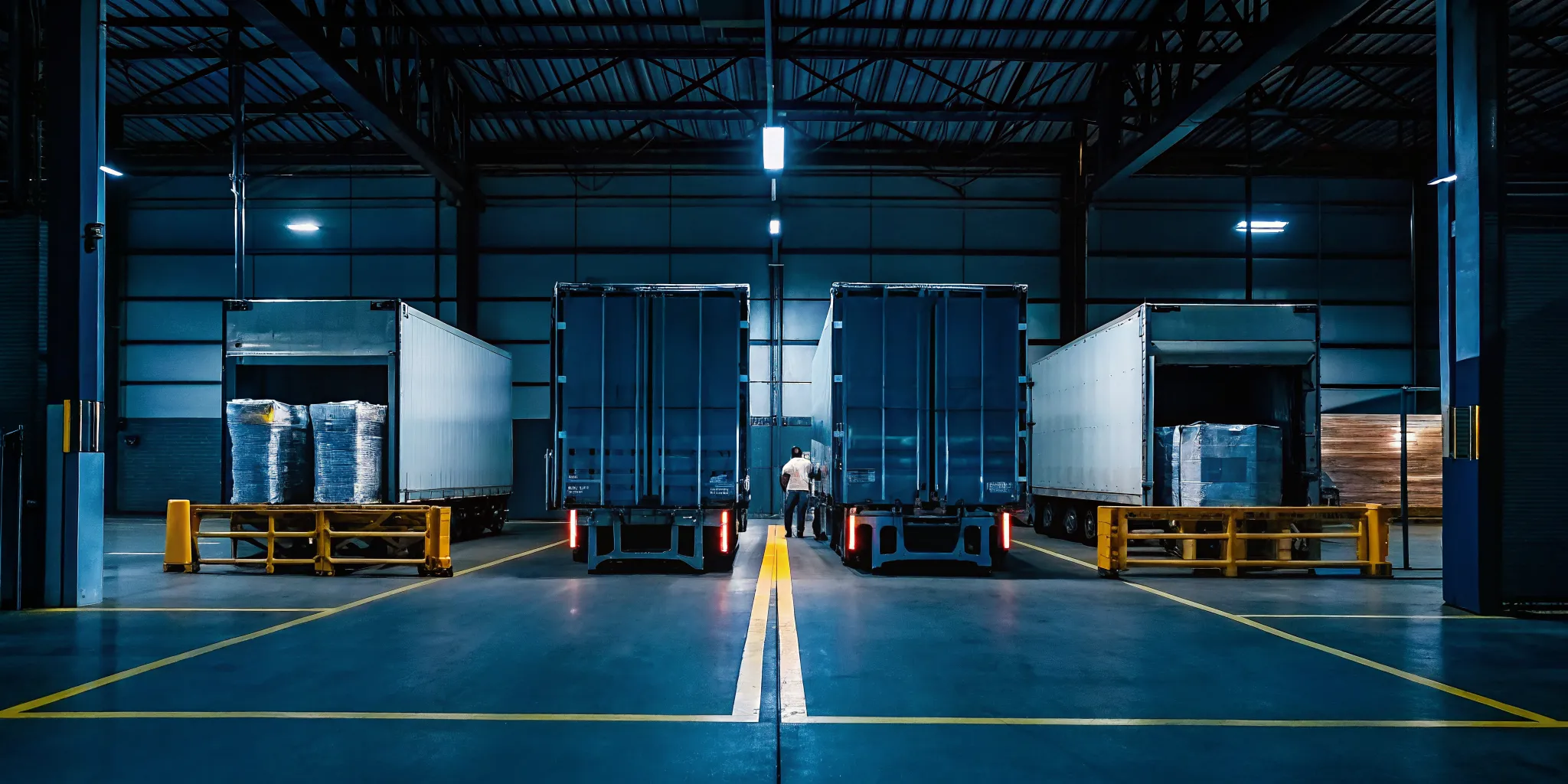
Match the site to the load
The team looks for a cross-dock that can accept the trailers and support the planned work. Site hours, dock doors, yard access, labor, forklift needs, pallet needs, and trailer fit should be checked before dispatch. This avoids sending a driver to a site that cannot complete the transfer.
Set the handoff plan
Once the site is confirmed, the carrier, broker, and receiver need a shared plan. It should cover arrival order, who will direct the work, how counts will be checked, and what must be documented. If freight needs restacking or other freight re-work, add that scope before the crew starts.
Transfer, document, and release
During the transfer, the team tracks counts, notes exceptions, and records any visible damage. It also keeps the next delivery window in view. Before departure, confirm the new trailer details, paperwork, seal information when used, route plan, and receiver update.
Clear communication matters at every step. One lead should share updates so drivers, site staff, the broker, and the receiver work from the same facts.
How fast transfers help protect delivery windows
When a truck breaks down, the clock starts to tick. For brokers and shippers, delivery windows are not just goals. They are firm rules that keep a supply chain moving. A missed window can lead to a turned away load or a big fine.
This is why fast transfers are so vital. They help you stay on track even when a truck stops. By moving cargo fast, you can save a load that seems lost.
Reducing idle time
Idle trucks do not make a profit. When a cold load sits still, the risk of loss grows fast. Food safety rules state that perishable food must be cooled within two hours. If a cooling unit fails, that time window gets much smaller.
Fast transfers move goods from a broken trailer to a cold room or a new truck. This speed helps keep the cargo out of the danger zone. It also helps the new driver handle refrigerated freight and get moving right away.
Using refrigerated load cross docking cuts down on wasted hours. Instead of waiting for a repair on the side of the road, the load goes to a safe spot. This process can reduce transfer delays while the responsible parties direct product-handling and temperature decisions.
It helps the cargo stay safe for the rest of the trip. Brokers use these fast moves to keep their good name. They know that a quick fix is better than a lost load.
Building a clear recovery plan
A fast transfer gives you a clear way to recover. When a shipment hits a snag, you need a plan that works. An easy transfer lets you swap trucks or drivers with ease.
This is a big help when a driver runs out of legal driving hours. Instead of stopping for the night, the load moves to a cross-dock. A fresh driver then takes the cargo and finishes the run.
This shift turns a major crisis into a simple stop. A nationwide network of over 150 agents helps you find the right spot for this swap. You can find a service agent who is near the breakdown site.
This reduces the distance the broken truck has to travel. It also speeds up the hand-off to the new carrier. A clear recovery plan takes the stress out of a breakdown. It gives everyone a sense of control.
Protecting tight schedules
Many shippers now use just-in-time methods. This means they expect their goods to arrive at a very specific time. A delay of just a few hours can stop a whole factory line.
Fast transfers help you hit these tight windows. They allow you to skip the long wait times of a full truck repair. By choosing a fast move, you keep the freight on its path.
Speed is the best tool for protecting a delivery schedule. When a nearby qualified service agent can support the plan, the response can move forward with less avoidable travel and coordination delay.
It helps you keep their trust and their business. In the world of freight, a fast transfer is more than just a move. It is a way to ensure that the job gets done right.
Organized cross-docking versus an improvised transfer
An emergency does not leave much room for trial and error. A planned response gives each person clear tasks, keeps the handoff moving, and creates a record of what happened.
| Area | Organized emergency cross-dock | Improvised transfer |
|---|---|---|
| Site | Dock access, hours, and contacts confirmed before arrival | Drivers search for a site after the problem grows |
| Labor and gear | Crew, forklift, pallet needs, and trailer fit checked in advance | Missing gear or labor can stop the transfer |
| Communication | One lead shares updates with the carrier, broker, and receiver | Several parties give mixed or late updates |
| Documentation | Counts, photos, exceptions, and handoff details are logged | Key facts may be lost after departure |
| Timing | The next appointment and route plan guide each choice | Work starts without a clear recovery plan |
The goal is not simply to move freight from one trailer to another. The goal is to build a safe, clear path from the first call to the next delivery step.
How to prepare for the next refrigerated load emergency
A carrier or broker can reduce decision time by keeping a short response sheet for every active load. It should list key contacts, delivery details, load counts, handling notes, and who can approve a change in plan.
Keep one source of truth
Use one shared update thread or operations record. Add site details, photos, counts, exceptions, and departure status as the response moves forward. This gives the receiver and other partners the same facts.
Know who to call
WeFixFreight coordinates urgent freight remediation through a nationwide network of more than 150 service agents. Our team is available 24/7 to help arrange cross-docking support, on-site labor, freight re-work, transloading, and related recovery needs. Contact us now when a refrigerated load needs a fast recovery plan.
Frequently asked questions
What is refrigerated load cross docking?
Refrigerated load cross docking is the transfer of temperature-sensitive freight from an inbound trailer to another outbound trailer with limited storage between moves. In an emergency, it can help a carrier recover from equipment trouble, a rejected delivery, or another route disruption.
When should a carrier call for emergency cross-docking?
Call as soon as the current trailer, delivery site, or route can no longer support the planned move. Early notice gives the response team more time to check site access, labor, gear, trailer fit, and the next appointment.
What details are needed to arrange the transfer?
Share the load location, commodity, pallet and case counts, delivery window, trailer details, current reefer settings and readings, handling notes, photos, and contacts. Also note any damaged or shifted freight and who can approve changes.
Does cross-docking guarantee product condition or on-time delivery?
No. Cross-docking can support a faster, more organized recovery, but it does not guarantee product condition, temperature, or arrival time. The carrier, shipper, receiver, and response team should review the facts and approve the plan.
Get an urgent refrigerated load moving again
When a refrigerated shipment is stuck, every handoff matters. WeFixFreight can help coordinate the site, labor, equipment, communication, and documentation needed for an organized transfer.
Contact us now for 24/7 help with your load.