
Searching for lumper service near me often means a delivery or transfer needs hands-on freight labor, and time matters. Before dispatching anyone, confirm the facility’s rules, the exact task, who can authorize it, and what must happen to the freight afterward.
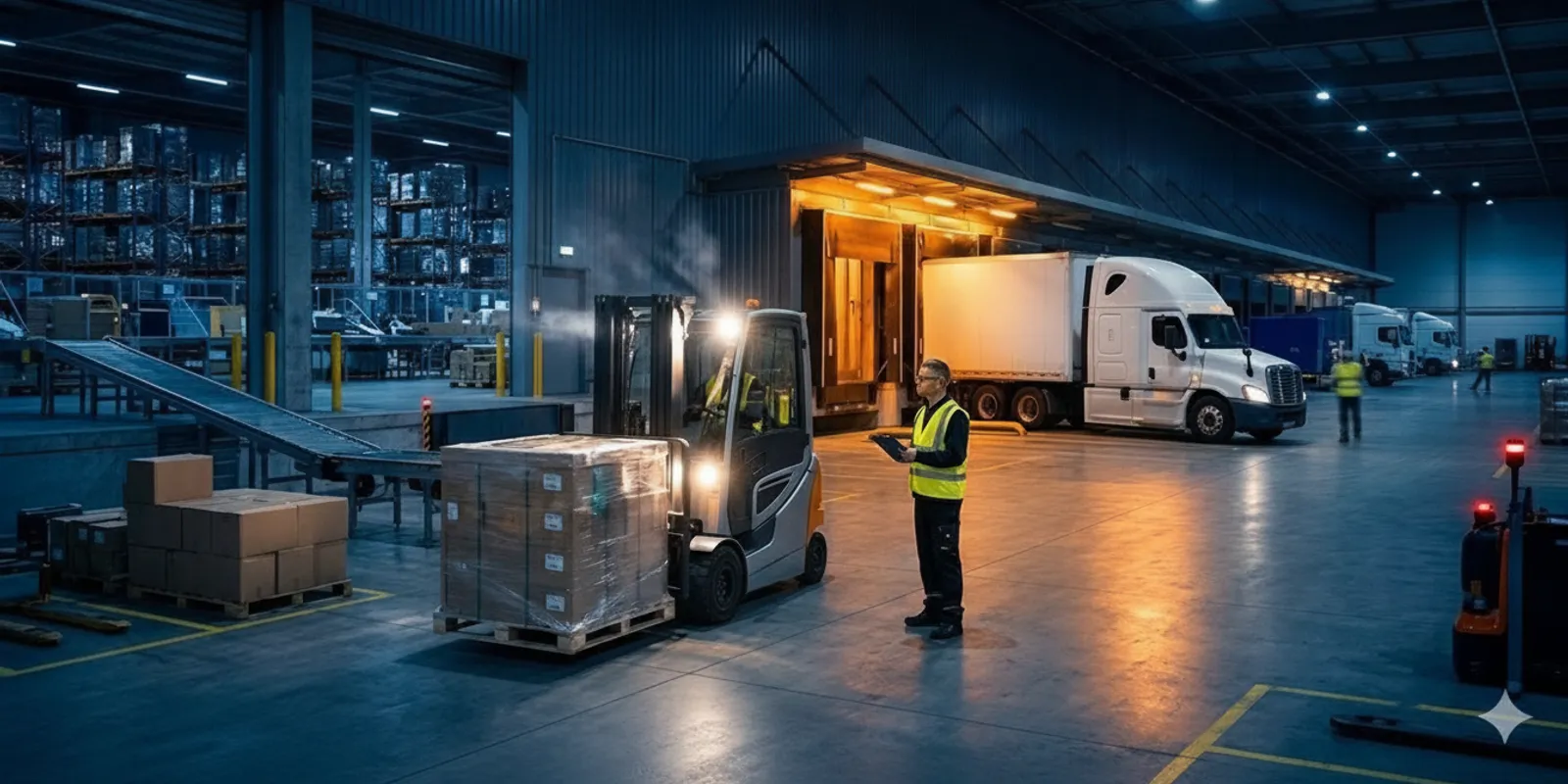
A lumper is a worker or crew hired to handle freight at a dock, commonly unloading or moving goods between a trailer and a receiving area. The precise scope, booking process, and charges depend on the facility and arrangement. A local labor request may be enough for an intact load and a routine unload. If freight has shifted, pallets are damaged, or delivery has been rejected, unloading alone may not solve the underlying problem.
What should you clarify when looking for lumper service near me?
Start with the operational problem, not just the service name. “Need a lumper” does not tell a provider whether the trailer is sealed, whether the receiver rejected the load, or whether freight needs to be made stable before unloading. A concise, complete description lets the responding team assess what is actually required.
- Where is the freight? Give the facility name, complete address, city and state, gate or dock instructions, and an on-site contact.
- What is the immediate task? Specify unloading, hand unloading, pallet movement, restacking, transfer to another vehicle, or another action.
- What is the freight condition? Describe visible damage, leaning or fallen pallets, a shifted load, commodity, and known handling limits.
- What is the time constraint? Share appointment or cutoff times, operating hours, and how long equipment or freight can remain in place.
- Who can authorize the work? Identify who may approve facility access, handling, and charges, and who coordinates with the carrier and receiver.
Do not assume every warehouse uses the same term or process. Ask the receiving facility what work it permits, whether it requires a particular crew or appointment, and what information workers need at arrival. Confirm instructions with the appropriate contact rather than relying on a general assumption about local dock practices.
Is the issue labor, freight re-work, or a transfer?
The right response depends on what is stopping the next freight move. Labor may be enough when freight is intact and the task is straightforward. If a pallet has collapsed or cargo has shifted, unloading alone can leave the shipment unsafe or unready for delivery. Freight re-work may involve inspection, sorting, restacking, or repositioning, depending on condition and authorization.
| Situation | Possible service path | What to confirm |
|---|---|---|
| Intact freight needs routine dock handling | On-site labor or a facility-arranged lumper crew | Permitted scope, appointment, crew access, and authorization |
| Pallets are leaning, broken, or shifted | Freight re-work or pallet services | Condition, count, safe access, and whether product can be restacked |
| Freight must move to another trailer | Cross-docking or transloading | Receiving and dispatch windows, equipment, destination, and handoff |
| Delivery was rejected | Re-delivery or a coordinated recovery plan | Reason for rejection, revised instructions, destination, and approval |
| Freight cannot move immediately | Short-term warehousing, if suitable | Availability, handling needs, storage duration, and next move |
These are starting points, not a substitute for assessing the shipment. One load can require several steps. A crew might unload the freight, separate damaged pallets, restack sound product, then transfer it to another vehicle. Describe the complete sequence you expect, and identify the point where a decision-maker must approve a change.
For instance, a carrier arrives at a receiver with several leaning pallets and is told the freight cannot be accepted as presented. The first question is not simply how many workers can unload. Confirm whether the receiver permits outside labor, whether the shipper or broker approves rework, and whether the destination will accept the corrected freight. The crew’s task and the next move should be agreed before handling starts.
What information helps a local crew respond?
Gather the basics before making a request, even if some details are estimates. Label uncertain information clearly rather than presenting it as confirmed. A useful intake includes:
- Location and access: facility name, full address, gate or dock contact, entry requirements, and whether the vehicle is on site or en route.
- Shipment details: commodity, approximate piece or pallet count, trailer or equipment type, and known handling restrictions.
- Condition and scope: what is damaged or out of position, what action is requested, and what must not be handled without approval.
- Timing: appointment, latest acceptable completion time, operating hours, and deadline for the next leg.
- Decision-makers: roles or contacts for the broker, shipper, carrier, receiver, and party authorized to approve work.
- Evidence: available photos, bills of lading, delivery paperwork, and written instructions relevant to the issue.
Photos can help explain the condition, but they should not replace a clear description. If a load is leaning, state where it is leaning and whether it moved during transit. If product is broken or exposed, describe what is visible without guessing at the extent of damage. Keep records factual and share them through the channels the shipment’s responsible parties approve.
The Federal Register’s discussion of supporting documents for drivers mentions lumper receipts among records that may be relevant: Hours of Service of Drivers; Supporting Documents. That source concerns supporting documents; it does not establish local availability, rates, or requirements for lumper service. Follow the instructions applicable to your shipment and facility.
How can you compare nearby options?
Proximity is useful, but the closest listing is not automatically a fit for an urgent freight exception. Compare providers on whether they can perform the actual work, coordinate around facility requirements, and communicate a clear plan. A general labor listing may not cover freight re-work, transfer, or a rejected delivery.
- Confirm scope before dispatch. Ask the provider to restate the requested task and flag work it cannot perform.
- Check facility compatibility. Verify whether outside crews are accepted, advance approval is required, and a specific check-in process applies.
- Establish timing and coordination. Get a realistic response window and name the person who will communicate with the on-site contact.
- Clarify charges and approval. Request clear, upfront information about the proposed work and obtain authorization from the responsible party before proceeding.
- Plan the next move. Decide where freight goes after handling and who will confirm the completed handoff.
We Fix Freight coordinates urgent freight repair and logistics remediation through a nationwide network of more than 150 service agents, with 24/7 availability. Depending on the issue, the response may involve on-site labor or pallet restacking. For a rapid vehicle-to-vehicle transfer, review the emergency cross-docking guide and cross-docking service information.
What can slow down a lumper request?
Delays often begin with incomplete or conflicting instructions. A receiver may expect one kind of unloading while a carrier has been told to wait for another procedure. A crew may arrive without the correct address, appointment details, or authorization. Freight condition can also change the work: handling intact pallets differs from addressing product that has fallen or shifted.
Reduce avoidable back-and-forth by naming one coordinator, sharing the same written scope with relevant parties, and confirming who approves any change. If the plan needs to change after arrival, pause and obtain approval before expanding the scope. Do not assume a crew can enter a facility or complete a task until access and requirements are confirmed.
Another common gap is treating labor as the entire recovery plan. After unloading, the freight still needs a destination and an accountable handoff. If delivery cannot continue, ask whether re-delivery support fits. If the load must move between modes or equipment, consider transloading. If a pause is necessary before the next move, ask whether short-term freight storage is suitable.
What should happen after you request help?
A useful request should lead to confirmation of the issue, proposed scope, and coordination path. Make sure the responding party has the exact location and a reliable way to reach someone on site. Confirm what work is approved, who communicates with the facility, and how completion will be reported.
When work is complete, record what was done and note deviations from the original plan. Collect relevant receipts and shipment records through the appropriate channels. Tell the next carrier, receiver, or dispatch contact what changed, and confirm the freight’s destination. That closes the loop and helps prevent a second avoidable delay.
For a more complex exception, share the full problem rather than requesting labor in isolation. We Fix Freight handles urgent freight recovery needs nationwide, including freight re-work, cross-docking, re-delivery, transloading, rail remediation, specialized projects, on-site labor, short-term warehousing, and product disposal. The freight services and recovery options page can help you identify a service category to discuss.
Frequently asked questions
What does a lumper service usually do?
A lumper service typically provides labor to unload or handle freight at a dock. The exact task and process vary by facility and arrangement, so confirm scope with the receiver and the party authorizing the work.
Does a nearby lumper service also restack damaged pallets?
Not necessarily. Ask whether the crew can perform the required freight re-work, such as separating, restacking, or repositioning pallets. Explain the condition and get approval before work begins.
What should I have ready before I call?
Have the exact location, on-site contact, shipment and equipment details, freight condition, requested task, timing, and approval contact. Photos and relevant paperwork can help explain the situation when available.
What if the receiver rejects the shipment?
Clarify the reason for rejection and obtain written direction from the responsible party. The next step may involve re-delivery, re-work, cross-docking, or another coordinated recovery option, depending on the shipment and authorization.
Get the next freight move started
If the issue goes beyond unloading, explain the condition, location, deadline, and desired next move so the response can be assessed. We Fix Freight is available around the clock to coordinate urgent freight support.
Contact us now to discuss your freight issue
Clear details and an approved scope help everyone focus on resolving the exception and getting freight moving again.