
When a delivery is refused, a load shifts, or a planned handoff falls through, arranging a cross dock Miami transfer may help freight continue toward its next destination. Before dispatching a truck, confirm the load’s condition, who can authorize handling, and whether the receiving party and next carrier are ready. The emergency cross-docking service guide explains the broader transfer process; this checklist focuses on preparing a Miami-area recovery request.
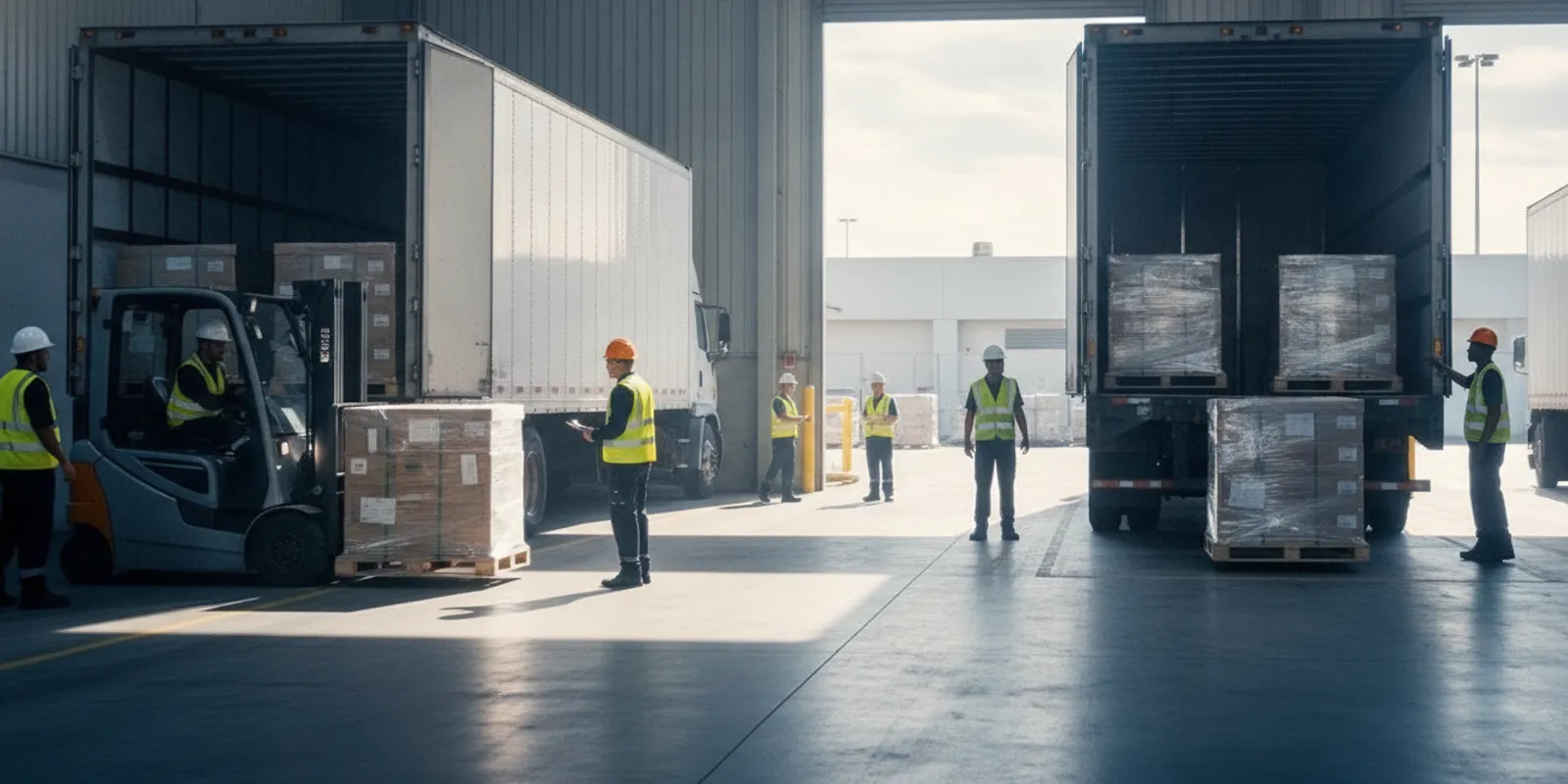
Miami shipments can involve tight delivery windows, multiple transportation providers, and changing instructions. A useful plan states what must happen to the freight, who has authority to approve it, and where it needs to go next. WeFixFreight coordinates urgent freight solutions through a nationwide network of more than 150 service agents and is available 24/7. Do not assume a particular Miami facility or appointment is available until the request has been assessed and confirmed.
What should you confirm before requesting a cross dock in Miami?
Start with one concise shipment record. Clear information helps the response team assess whether a direct transfer is workable and what equipment, labor, and timing may be needed. If you are still locating a suitable transfer option, review how to find a cross dock near you, but confirm local availability for the specific shipment instead of relying on a general listing.
- Shipment identity: Provide the order or reference number, commodity description, pallet count, and identifying marks. Note whether the freight must remain separated from other shipments.
- Current location and status: Give the exact current location, whether the truck is moving or waiting, and the reason the original plan failed. If the load is at a receiver, terminal, or roadside location, clarify any access or release instructions.
- Freight condition: Say whether pallets are intact, leaning, shifted, broken, or visibly damaged. Share clear photos when available, but describe what you observed rather than treating a photo as a professional inspection.
- Equipment and handling: Identify the inbound trailer type, loading constraints, and any special equipment or handling needs. State whether the outbound vehicle has been arranged and whether its capacity and configuration match the load.
- Timing: Share the earliest expected arrival, required delivery deadline, confirmed dock or receiving windows, and any limits on when freight can be loaded or released.
- Decision authority: Name the broker, shipper, carrier, or receiver contact who can approve the transfer, additional handling, and any changes to delivery instructions.
- Next destination: Give the delivery address, receiving hours, appointment details, and a contact who knows the revised plan.
Keep confirmed facts separate from pending details. If a receiver refused the shipment, record the stated reason and ask whether it can be resolved by corrected paperwork, a new appointment, a transfer, or a different destination. That distinction can prevent a truck from arriving at a dock without permission to unload.
Is a direct transfer the right recovery option?
Cross-docking generally moves freight from inbound to outbound transportation with little or no storage between the moves. It can fit when the goods are ready to travel, an onward vehicle is available, and the destination can receive the load on the revised schedule. For more details about this service and urgent transfer planning, consult the cross-docking service guide.
A direct move is not automatically the right response to every exception. If pallets are unstable, the freight may need inspection and freight re-work or pallet restack before it moves. If the delivery was refused but the cargo is otherwise ready, re-delivery may be needed, with or without a transfer. If no outbound vehicle or receiving slot is ready, temporary freight storage may be a better question to ask than an immediate cross-dock.
| Shipment situation | Option to assess | Confirm before work begins |
|---|---|---|
| Freight is intact, and the next vehicle is ready | Cross-docking | Inbound and outbound timing, equipment fit, destination, and receiving window |
| Pallets are leaning, shifted, fallen, or broken | Inspection and freight re-work | Observed condition, handling needs, approval, and additional time required |
| Receiver refused a load that may be accepted under revised instructions | Re-delivery, possibly after a transfer | Rejection reason, corrected instructions, and confirmed appointment |
| The onward move or receiving slot is not available | Short-term warehousing | Storage period, access, handling requirements, and release plan |
| Freight must shift between transportation modes | Transloading | Mode change, transfer sequence, equipment, and each party’s responsibility |
Use the comparison to frame questions, not to assume that a service includes extra labor, storage, or re-delivery. The cross-docking service information and the broader freight services overview can help clarify which type of work to discuss. For a cross-docking or transloading request, the service guide linked above is the relevant pillar page; a service-list link alone does not establish what a specific shipment needs.
How do you coordinate inbound and outbound carriers?
A dock appointment is only one part of a successful handoff. The inbound driver, transfer team, outbound carrier, and receiver need compatible instructions and a shared timeline. Assign one point of contact who can resolve changes and circulate the current plan to everyone involved.
- Set the handoff window. Confirm the estimated arrival, check-in process, dock access, and how a delay will be reported. Ask what the inbound driver should do if the appointment changes while en route.
- Match the equipment. Verify that the outbound vehicle can accept the shipment and that any loading constraints or special handling requirements are understood. Do not assume that a vehicle is suitable based only on its arrival time.
- Share the count and identifiers. Send pallet count, shipment references, labels or identifying marks, and instructions for keeping freight separate. Agree on who will reconcile a count difference.
- Document observed condition. Record visible condition before and after handling with notes and photos as appropriate. If the freight appears unstable or damaged, stop and ask the authorized parties what assessment or work is approved.
- Verify the destination appointment. Confirm the receiver’s operating hours, appointment number if applicable, and the person expecting delivery. Relay any revised instructions to the outbound driver.
- Close the communication loop. Send a status update when the transfer is complete and the outbound vehicle departs. Include any count or condition exceptions that the next team should know about.
If a carrier or receiver changes instructions, pause and obtain approval from the responsible party. An assumed delivery slot or an unconfirmed vehicle is not a completed plan. If freight needs to move between different transportation modes rather than between two trucks, ask whether transloading is the more appropriate service and confirm the complete transfer sequence.
What can slow down a Miami-area cross-dock request?
Missing information often creates avoidable coordination time. A request may need further review when the exact location is unclear, cargo condition has not been checked, a receiver has not approved revised instructions, or the outbound carrier is unavailable during the inbound window. A fast, organized handoff helps the team identify these dependencies early, even when it cannot remove them.
- Unclear authority to approve a transfer or added handling.
- Conflicting pallet counts, shipment references, or freight descriptions.
- Unexpected damage, leaning pallets, or a load shift that changes the handling plan.
- No confirmed receiving window at the final destination.
- Vehicle, dock, access, or labor requirements that were not shared in advance.
- Uncertainty about whether freight should move, be reworked, or wait in storage.
- Separate parties communicating different delivery instructions to the drivers.
Send photographs and documents through the agreed channel, and label each file with the shipment reference when practical. Avoid making assumptions about whether freight is safe to handle based on an image. Describe the observed issue and ask what assessment or work is appropriate. For an urgent request, these emergency cross-dock preparation steps can help organize the information before you reach out.
Federal motor carrier safety information is available from the Federal Motor Carrier Safety Administration (FMCSA). For a particular shipment, use the responsible carrier’s applicable procedures and confirm handling instructions with the authorized parties; this resource is not a substitute for a load-specific assessment.
What should you ask before confirming the plan?
Before dispatching freight, clarify the scope and the dependencies. Ask whether the proposed plan is a direct vehicle-to-vehicle transfer or includes inspection, freight re-work, on-site labor, temporary storage, or a second move. Confirm the expected sequence, what information is still missing, and how changes in arrival time will be handled.
Ask who will communicate with the inbound driver, who will verify the outbound carrier’s arrival, and who has final authority to release the freight. For a refused shipment, ask which party will issue corrected instructions and whether the receiver has accepted the revised appointment. A short written recap can make the plan easier to follow across a broker, shipper, carrier, and consignee.
Pricing should be explained clearly before work proceeds. WeFixFreight describes its pricing as standardized and transparent; request the applicable scope and charges for the specific emergency rather than relying on a general estimate. Do not assume that storage, additional labor, or re-delivery is included unless it has been confirmed. Services are payable upon completion to We Fix Freight via Comchek, EFS, or Credit Card. The driver will not pay on location.
To request help, prepare the current location, shipment details, exception, freight condition, timing, and required next step in one organized handoff. The coverage information can provide general context about nationwide service reach, but does not confirm a specific Miami-area facility or appointment. Availability and the appropriate resources must be assessed for the individual request.
Frequently asked questions
Does WeFixFreight have a dedicated Miami warehouse?
Do not assume there is a dedicated local facility. WeFixFreight coordinates urgent freight services through a nationwide network of more than 150 service agents. The resources available for a specific Miami-area request must be confirmed during intake.
Can a cross-dock handle shifted or leaning pallets?
It may take more than a direct transfer. Describe the condition and share photos, then confirm whether inspection or freight re-work is needed before the load moves onward. Do not direct a driver or dock team to handle an unstable load without appropriate authorization and instructions.
What if the receiver has refused the shipment?
Document the reason, contact the party authorized to decide next steps, and confirm whether corrected instructions or a new appointment can resolve the issue. If the freight is accepted under a revised plan, re-delivery may be appropriate. Make sure the outbound carrier has the new destination and receiving details.
How quickly can a transfer be arranged?
Timing depends on the shipment facts, available resources, freight condition, and coordination among the carriers and receiver. Share the location and deadline promptly, and ask which dependencies remain unconfirmed rather than assuming that a transfer can be completed by a particular time.
Get the next freight move started
A clear intake and a confirmed onward plan help reduce avoidable confusion when a Miami shipment is disrupted. Gather the facts, agree on the right recovery steps, and coordinate every handoff before freight arrives.