
When a shipment cannot continue on its planned route, the cross docking meaning in freight recovery is straightforward. Cargo is transferred from an arriving vehicle to an outbound vehicle, usually with little or no storage between the two moves. The goal is to keep freight moving while addressing a disruption. The emergency cross-docking guide explains how that transfer is coordinated when a load is already off plan.
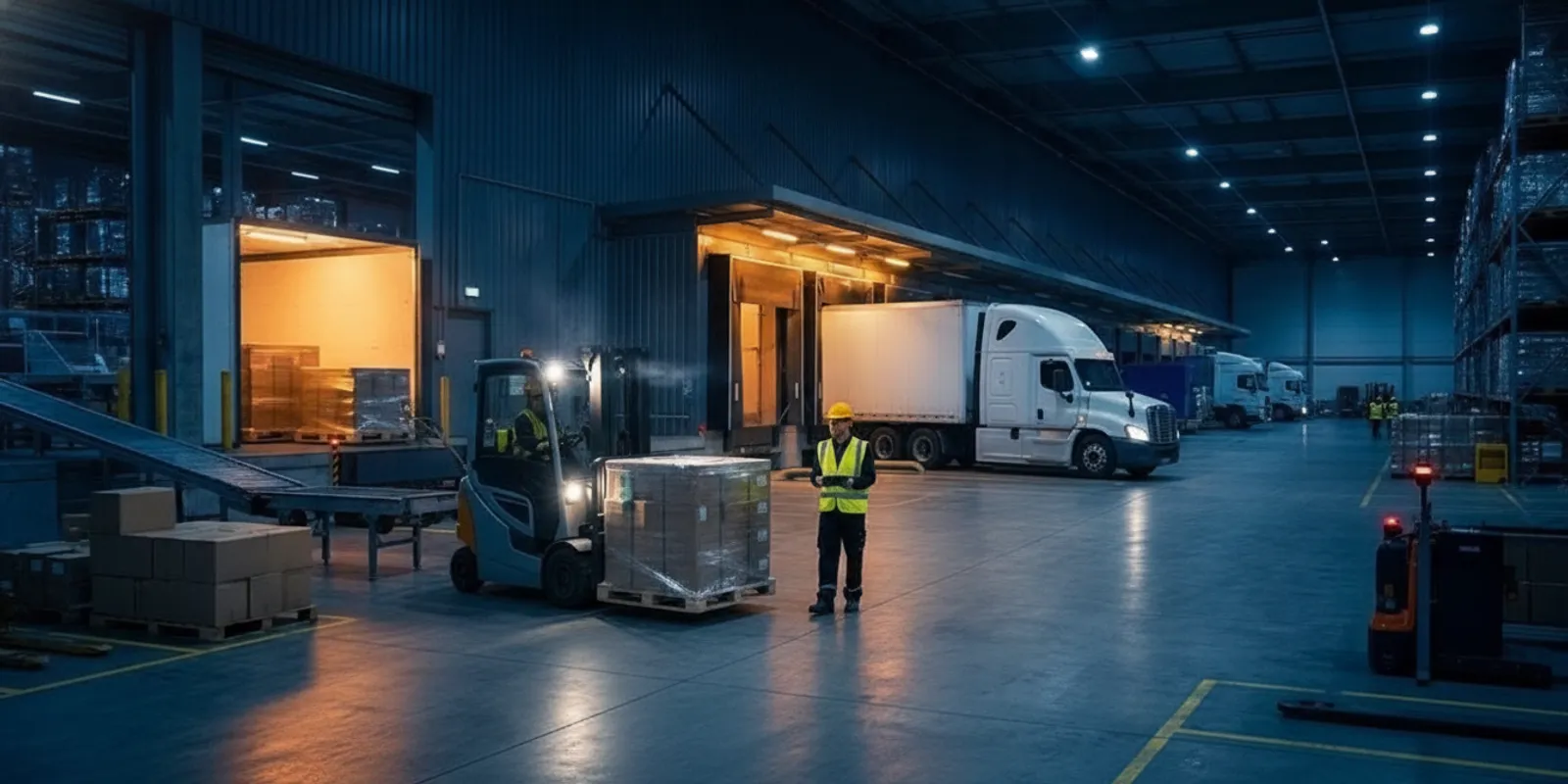
What is the cross docking meaning in freight recovery?
Cross-docking describes a handling process, not a type of cargo and not a promise that a shipment will reach its destination by a particular time. Freight arrives at a dock, is received and organized for the next move, then is loaded onto another vehicle. The transfer may be between trailers, between a truck and another mode of transport, or between inbound and outbound equipment at a facility.
In an ordinary planned distribution operation, cross-docking can be part of a designed flow of goods. In a recovery situation, it is arranged in response to a problem. A trailer may be unavailable, a delivery may be rejected, or cargo may need a replacement vehicle or a new route. The team coordinates the receiving location, labor, equipment, timing, and onward transportation so the load can proceed.
Cross-docking does not necessarily mean that freight is inspected, repaired, repalletized, or stored. Those steps may be needed, but they are separate decisions. If a transfer reveals shifted or damaged freight, the team may need to pause and determine whether freight re-work or another recovery service is appropriate before loading continues.
What happens during a cross-dock transfer?
The exact sequence depends on the shipment and the reason for the transfer. A common emergency workflow looks like this:
- Establish the problem and objective. Identify what stopped the original plan and what must happen next. For example, the objective may be to move the freight from a disabled trailer to a replacement trailer, not to hold it for later distribution.
- Confirm the cargo and handling needs. Share the number of pieces or pallets, approximate dimensions and weight if known, freight condition, special handling instructions, and any equipment or site restrictions. Explain whether the freight is loose, palletized, shifted, or visibly damaged.
- Coordinate the receiving point and people. Confirm that a suitable dock or work area is available and that the receiving party can accept the load. Arrange qualified labor and the equipment needed for the transfer.
- Plan the transfer and outbound move. Align the arrival window, unloading and loading sequence, replacement vehicle, and onward route. The transfer plan should account for who is responsible for each handoff.
- Complete the work and record the result. Confirm what was moved, note any condition concerns, and communicate when the outbound equipment is ready to continue.
Early communication helps prevent a truck from arriving at a site that cannot handle the load. It also helps a coordinator decide whether a straightforward transfer is enough or whether the shipment needs a different intervention. For a practical overview of what information to collect first, see this freight inspection process guide.
How is cross-docking different from storage or freight re-work?
The terms are related because they can all be part of a shipment recovery plan, but each describes a different need. Cross-docking focuses on transferring freight. Short-term warehousing holds freight temporarily. Freight re-work addresses a handling or packaging condition that needs correction. A load can require more than one service, but one should not be assumed just because another is needed.
| Option | Primary purpose | Typical fit | Key question |
|---|---|---|---|
| Cross-docking. | Transfer cargo between inbound and outbound transportation. | Freight needs a different vehicle or route. | Is a receiving point and outbound move ready? |
| Short-term warehousing. | Hold cargo temporarily. | The next delivery or move is not ready yet. | How long is the hold, and what handling is needed? |
| Freight re-work. | Correct a handling or pallet condition. | Cargo must be restacked or repositioned before it can move. | What needs correction, and where can the work happen? |
| Transloading. | Move cargo between modes or equipment types. | The shipment needs a change in how it travels. | What are the modes, and what handling is required? |
These are planning distinctions, not automatic rules. A receiver’s requirements, cargo condition, available equipment, and route plan all affect the right response. If freight is unstable or has shifted, do not treat a dock transfer as a substitute for assessing the load. This guide to correcting a shifted load explains why the condition should be identified before work proceeds.
For the service details and situations where a coordinated transfer may help, review the cross-docking service information and the broader emergency cross-docking guide. When the shipment requires movement between transportation modes, a separate transloading service may be relevant.
Why does the exact meaning matter during an emergency?
The phrase can describe a broad logistics practice, but an emergency request needs a specific job scope. One team may use “cross-dock” to mean unloading and reloading the same freight at a nearby facility. Another may use it for a larger transfer plan that includes sorting shipments, coordinating new equipment, or staging outbound loads. Avoid relying on the label alone. Describe the actual movement, what must happen to each piece of freight, and what the receiving operation is prepared to do.
That distinction also helps control handoffs. Confirm whether the original carrier will remain responsible during handling, whether a replacement carrier has accepted the freight, and who will verify counts and condition at transfer. If those responsibilities are unclear, the physical move might be completed while the next transportation step remains unresolved. A practical request therefore names the origin, transfer point, destination, and person responsible at each stage.
Cross-docking is one term within a wider supply-chain vocabulary. For readers comparing logistics terminology and professional resources, the Council of Supply Chain Management Professionals provides a general industry reference point. For an urgent shipment, however, the immediate priority is to agree on the actual handling scope and confirm that each party understands the next step.
When might a freight team arrange cross-docking?
Cross-docking may be considered when a shipment needs a practical handoff to continue moving and the existing equipment or route cannot complete the job. Common situations include:
- Equipment or vehicle disruption: Freight must be moved from a truck or trailer that cannot continue its planned trip.
- Route or carrier change: A new vehicle or transportation plan is needed to keep cargo moving toward its destination.
- Delivery rejection or failed appointment: The original receiving plan has changed, and the shipment needs a coordinated next step. Depending on the situation, re-delivery support may also be part of the solution.
- Transfer to another mode or equipment type: A change in how the freight travels calls for coordinated handling. Teams can also review this guide to load transfers for trucks.
These examples do not mean that every delay calls for cross-docking. If freight can stay on its current vehicle and continue safely, an unnecessary transfer adds handling. If it needs to wait for a later appointment or route, temporary storage may fit better. If pallets are leaning, broken, or shifted, the load may need assessment and re-work before transfer. The purpose is to match the service to the actual constraint, not to select a service name first.
What details help coordinate an urgent transfer?
When contacting a recovery provider, a clear description helps the team assess the work and identify what must be coordinated. Gather the following details when available:
- Current location: Give the facility, dock, or other precise location and explain any access or check-in requirements.
- Shipment status: State whether the vehicle is loaded, whether it can be unloaded, and what caused the change in plan.
- Cargo description: Include pallet or piece count, dimensions and weight if known, commodity description, and visible condition concerns.
- Handling instructions: Share temperature, orientation, stacking, security, or other specific instructions that apply to the cargo.
- Outbound plan: Explain whether a replacement vehicle is available, where the freight needs to go next, and any delivery window or appointment constraints.
- Site and contact details: Provide the on-site point of contact, operating hours, equipment limits, and any required site procedures.
- Documentation: Have shipment references and relevant shipping or receiving documents ready. If damage or a load shift is involved, describe what is known without guessing about its cause.
If some information is not available, say so rather than delaying the initial conversation. A coordinator can clarify what is essential to evaluate the situation. You can also use the nationwide service coverage map to understand the broad service footprint, then confirm that the specific job and location can be supported.
Payment terms should be clear before work starts. Services are payable upon completion to We Fix Freight via Comchek, EFS, or Credit Card. The driver will not pay on location. Pricing is discussed up front so the parties know the scope and cost before labor begins, without hidden fees.
What should a shipper or broker confirm before dispatch?
Before authorizing a transfer, confirm responsibilities and expectations with the relevant parties. Agree on who will release the freight, who can authorize handling, who will provide the outbound vehicle, and who will receive the shipment after transfer. When the broker, carrier, shipper, and receiver are not the same organization, make sure the instructions are aligned rather than relying on an assumption that one party has already notified the others.
Confirm the scope of work in plain language. Is the request only to unload and reload? Is pallet correction required? Does the freight need to be held, or should it leave as soon as the outbound vehicle is ready? Are there specific handling instructions or condition concerns that must be recorded? These answers help distinguish cross-docking from a combined plan involving labor, re-work, or temporary storage.
Ask how updates will be shared and what would trigger a pause. For example, the parties may need to be contacted if cargo condition differs from the description, the receiving site cannot accept the load, or the replacement vehicle is delayed. A clear escalation plan can prevent a local operational issue from turning into a second missed handoff.
For a broader view of available freight recovery support, the services overview outlines the types of help that may fit different shipment problems. The right option depends on the actual cargo, location, timing, and operating requirements.
How the cross docking meaning guides the next call
Once the parties agree that the job is a transfer, the next call should confirm three facts. Name where the freight sits now, what vehicle will take it next, and who can release and receive it. Those three facts decide whether a dock transfer can start or whether the plan still needs a hold, a re-work step, or a mode change.
A short written scope helps the on-site team and the broker stay aligned. State the piece or pallet count, any condition notes, the arrival window, and the name of the person who can answer questions at the dock. If the count or condition changes on arrival, the written scope is the point everyone returns to before work continues.
That is the practical use of the term. It names a transfer with little or no storage, and it leaves storage, re-work, and mode changes as separate decisions that are called out when they apply.
Frequently Asked Questions
Does cross-docking mean freight is stored?
Not necessarily. Cross-docking centers on transferring freight from an inbound vehicle or handling point to an outbound move, with little or no storage between. If the next move is not ready and cargo must be held, short-term warehousing may be needed instead.
Is cross-docking the same as transloading?
The terms can overlap in some operations, but they do not always mean the same thing. Cross-docking describes a transfer through a dock, often between inbound and outbound vehicles. Transloading describes transferring cargo between modes or equipment types. The needed operation depends on the shipment plan and the handling involved.
Can freight be reworked during a cross-dock?
It may be possible to coordinate freight re-work as part of a broader recovery plan, but it is a separate task from transferring cargo. Describe any broken, leaning, or shifted pallets before dispatch so the work plan can account for the cargo condition and required labor.
What information should I have ready when requesting help?
Share the precise location, cargo and pallet count, current vehicle status, reason for the transfer, cargo condition, special handling needs, and the planned outbound destination. Include site access details and relevant shipment references when available.
Contact us to coordinate freight recovery
When a shipment needs a new handoff, identifying the required move and sharing clear cargo details helps the right recovery plan take shape.