
Cross Docking Near Me: Emergency Freight Transfer Guide
When every hour matters, the right local transfer plan can keep a stalled shipment moving. A clear intake gives the responding team a faster start.
When a delivery is rejected, a trailer is misloaded, or freight cannot continue on its planned route, a routine warehouse search is not enough. You need a transfer plan matched to the load’s location, condition, equipment, labor, and next destination. Fast assessment can protect the delivery schedule and reduce avoidable detention.
Cross docking near me means finding a qualified transfer response at or near the shipment’s actual location. A capable provider can coordinate a dock or suitable transfer point. It can move freight from inbound to outbound transportation with little intermediate storage. It can also add freight re-work or on-site labor when the load cannot move safely as-is.
For freight brokers, shippers, carriers, and 3PLs, “near me” describes the service response, not necessarily a company-owned warehouse in every city. WeFixFreight provides 24/7/365 emergency freight recovery through a nationwide network of more than 150 service agents. Its goal is to connect a stranded load with the right local capability and a clear path to onward movement. For the broader service model, see cross-docking, transloading, and emergency freight transfer services.
What Does Cross Docking Near Me Mean for an Emergency Load?
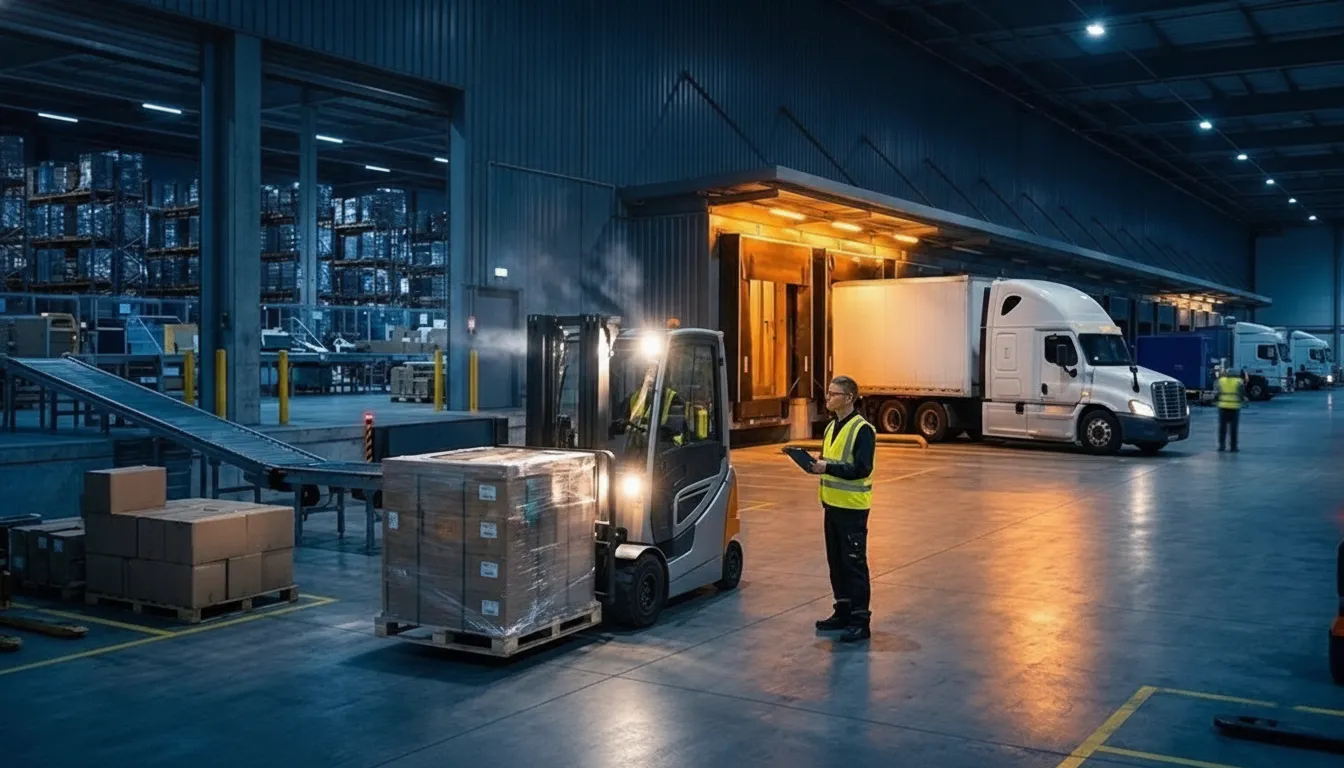
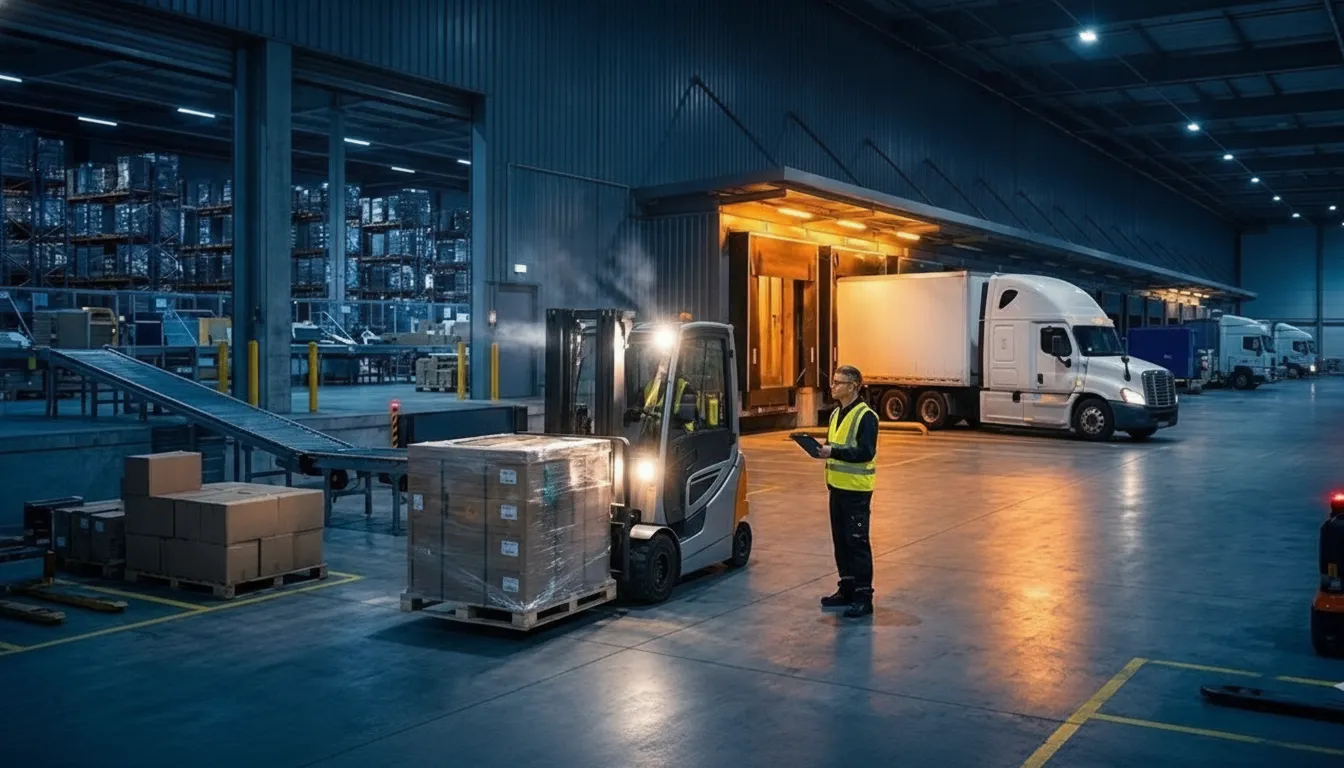
Cross-docking transfers freight from an inbound vehicle to an outbound vehicle with little or no storage in between. The operation may include unloading, sorting, checking, and reloading so the shipment can continue through the supply chain. It can use a commercial dock, a transload point, or another coordinated handling location.
The closest listing is not automatically the best emergency answer. A facility may be full, closed, unable to handle the commodity, or missing the labor and equipment needed for shifted or damaged pallets. A qualified response starts with the load problem, then matches that problem to a workable site and handling plan.
Start with four questions:
- Where is the load now, including the exact facility, city, state, and dock or yard status?
- Why can it not continue, such as a rejected delivery, misload, appointment change, or route disruption?
- Is the freight stable, or does it need pallet services, freight re-work, or on-site labor before transfer?
- What vehicle, appointment, carrier, or destination must receive it next?
These answers distinguish a real emergency solution from a directory listing that only provides square footage. If the shipment needs a mode change, transloading support may be more appropriate. If the delivery can proceed after a correction, freight re-work services may be the primary need.
How Does Emergency Cross-Dock Dispatch Work at Your Location?
Emergency dispatch starts with intake, not an assumption that one fixed warehouse will solve every incident. The response team first understands the failure, then coordinates the most practical local option. That approach matters in major freight corridors and rural markets, where a nearby address may not have immediate capacity.
- Share the incident details. Provide the exact location, trailer number, carrier, destination, shipment reference, pallet count, product concerns, and reason the load is stopped. Photos of leaning, shifted, broken, or collapsed pallets can clarify whether the request is for direct transfer, stabilization, or both.
- Confirm the recovery objective. Explain whether the goal is a same-day vehicle transfer, corrected delivery, temporary hold, route change, or combination of services. This prevents the response from treating a re-work problem like a simple dock appointment.
- Coordinate local resources. The provider identifies a workable facility or operating arrangement near the load and aligns labor, equipment, access, and timing. The answer may be a cross-dock, an on-site operation, or another suitable point.
- Stabilize freight before handling. If cargo is unsafe or unmanageable, qualified labor may need to correct it first. Pallet restacking, pallet exchange, product separation, or other freight re-work may be necessary. Moving unstable cargo from one trailer to another carries the original risk forward.
- Transfer and document the load. Freight is unloaded, checked, sorted, and placed on the outbound vehicle or temporary holding arrangement. Counts, condition notes, photos, and transfer details should be recorded.
- Confirm onward movement. The operation is not complete until the next carrier, route, appointment, or temporary plan is clear. If the delivery remains unavailable, re-delivery coordination or short-term warehousing may be needed.
WeFixFreight’s emergency response is available 24/7/365 through a nationwide network of more than 150 service agents. Customer materials identify a two-hour initial contact commitment, while complex emergencies may require more time to resolve. Discuss the service expectations during intake rather than treating a response window as a universal completion guarantee.
What Should You Check Before Choosing a Cross-Dock Provider?
When time matters, the provider’s operating model matters as much as its distance from the load. Before authorizing a transfer, confirm who coordinates the response, what physical work is included, and how the shipment will move after handoff.
| Check | Why it matters | Question to ask |
|---|---|---|
| 24/7 emergency availability | Freight problems can occur overnight, on weekends, or during holidays. | Can you evaluate an urgent request outside normal business hours? |
| Local dispatch backed by national reach | A nearby response is useful only when it has the labor, equipment, and access for the load. | How do you coordinate qualified help near the shipment’s actual location? |
| Freight re-work capability | Shifted, leaning, broken, or mixed pallets may need correction before transfer. | Can your team provide pallet services or on-site labor? |
| Clear communication | Shared updates help every party manage the next move. | Who owns communication through release, and what records are provided? |
| Standardized, quote-based terms | Clear scope and upfront terms reduce surprises when an emergency expands. | Will the scope and quote be explained before authorization? |
Safety should be part of the selection decision. OSHA’s warehousing standards and enforcement guidance is a useful reference when evaluating dock work, material handling, and worker protection.
Also ask whether the provider can say cross-docking is not the right answer. A shipment may need transloading, rail remediation, product disposal, short-term warehousing, or a re-delivery plan instead. Honest triage is more valuable than forcing every incident into one service category.
How Do You Find Cross Docking Near Me in Any Market?
Search engines return facilities near the device or address used for the query. That can help with a planned transfer, but emergency coverage depends on hours, capacity, commodity restrictions, dock access, labor, and willingness to accept an unscheduled load.
WeFixFreight uses a network model rather than claiming ownership of a warehouse in every market. More than 150 independent service agents support on-demand freight remediation across the United States. The important question is whether a qualified team can coordinate the right response for this load at this location.
Major freight corridors
Large distribution markets often have multiple cross-docks, but capacity can tighten during peak periods or after a disruption. A networked provider can compare practical options and coordinate labor instead of leaving a driver or broker to call facilities one by one.
Rural or hard-to-serve locations
Rural locations may have fewer commercial docks within a short drive. The response may involve an alternative transfer point, on-site labor, or coordinated movement to the nearest suitable facility. A precise street address and accurate cargo description help determine what is practical. Use the WeFixFreight coverage map as a starting point, then confirm the load-specific response plan.
When Is Same-Day Cross-Docking the Right Response?
Request same-day cross-docking when a delivery or route problem is likely to leave freight, a driver, or a downstream appointment waiting longer than the shipment can tolerate. Early notification preserves more options. It gives the response team time to locate an appropriate site, arrange labor, coordinate the next vehicle, and determine whether a transfer will actually solve the incident.
A delivery was rejected
A consignee may reject a shipment because of an appointment issue, capacity problem, product condition, documentation concern, or routing change. A coordinated transfer may allow the shipment to move to a new delivery plan. For a full recovery option, review emergency freight re-work services.
A trailer was misloaded or freight shifted
A misloaded trailer may contain freight in the wrong sequence, mixed destinations, or an incorrect outbound assignment. A shifted, leaning, or broken pallet requires additional caution. Ask for re-work when the cargo needs stabilization, restacking, or correction before it travels again.
A route, vehicle, or appointment changed
Cross-docking can support a rapid reassignment when the original vehicle is unavailable or a route is interrupted. If the next movement is not ready, temporary warehousing may protect the load better than an improvised handoff. Confirm the next responsible party and destination before freight leaves the transfer site.
What Information Speeds Up an Emergency Transfer Request?
A complete intake message reduces back-and-forth. It helps determine whether the load needs cross-docking, freight re-work, on-site labor, re-delivery, or temporary storage. Gather these details if doing so will not delay urgent safety action:
- Exact location: Share the facility name, street address, city, state, ZIP code, dock or yard status, gate instructions, and contact person.
- Load condition: Pallet count, dimensions if known, commodity, temperature or handling concerns, visible damage, shifted freight, and photos.
- Transportation details: Trailer number, equipment type, carrier, driver status, shipment reference, destination, and next appointment.
- Requested outcome: Same-day transfer, corrected loading, re-delivery, transloading, short-term hold, product disposal, or another defined result.
- Timing constraints: Receiving hours, appointment deadlines, customer commitments, route restrictions, and how long the trailer can remain where it is.
Do not guess about cargo safety or tell a driver to handle unstable freight without qualified direction. State what is visible, send current photos, and identify known restrictions. Better intake information helps a nationwide response network make a more precise local decision.
How Can Freight Teams Keep the Transfer Accountable?
Fast movement should not mean incomplete records. The broker, shipper, carrier, and 3PL should know what arrived, what was corrected, what moved onward, and who accepted responsibility at each stage. Ask for a completion record with arrival and release details, pallet or piece counts, condition notes, relevant photos, and the next movement.
Commercial terms should be clear before work begins. WeFixFreight uses transparent, standardized, quote-based pricing rather than publishing fixed prices for every emergency. Services are payable upon completion to We Fix Freight via Comchek, EFS, or Credit Card. The driver will not pay on location. Confirm the scope and payment process during authorization so the driver and logistics team understand their responsibilities.
Frequently Asked Questions About Cross Docking Near Me
What is cross-docking?
Cross-docking moves freight from an inbound vehicle to an outbound vehicle with little or no storage in between. The operation may include unloading, sorting, checking, and reloading so the shipment can continue.
How do I find a cross-docking facility near me?
Start with the load’s exact address and the reason it needs to move. Then choose a provider that can coordinate a qualified local dock or transfer point. Provide labor and equipment, and handle related re-work when the shipment is unstable or misloaded.
How quickly can emergency cross-docking be arranged?
Timing depends on location, freight condition, facility availability, labor, equipment, and next-movement requirements. WeFixFreight offers 24/7/365 emergency response and identifies a two-hour initial contact commitment. Share complete load details immediately.
Is cross-docking suitable for LTL and FTL shipments?
Cross-docking can support less-than-truckload and full-truckload situations when the shipment, equipment, labor, and transfer plan are suitable. The provider should assess pallet count, handling requirements, destination, and any needed re-work.
What if my freight needs more than a dock-to-dock transfer?
The shipment may need freight re-work, pallet services, transloading, re-delivery, short-term warehousing, rail remediation, or on-site labor. Describe the actual failure and cargo condition during intake so the response matches the problem.
Need Cross-Docking Help at Your Location?
A rejected delivery, misloaded trailer, or unstable pallet does not have to become a prolonged supply-chain disruption. Give the response team the exact location, load condition, and next required movement so it can assess the right combination of cross-docking, freight re-work, and local labor.