
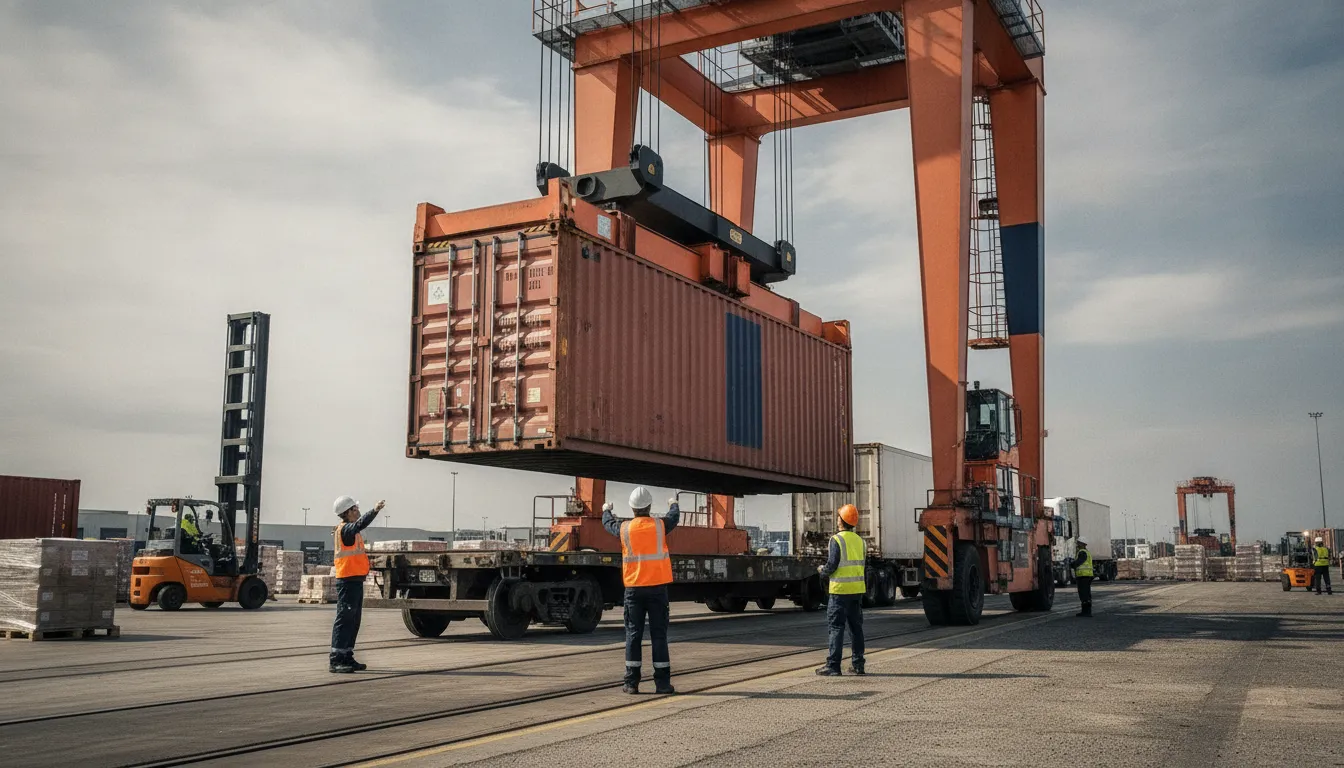
A rail rejection is not simply a failed delivery. Once freight is refused at a terminal or receiver, every next move depends on why it was rejected. Where the railcar or load is located, and whether the shipment can continue as-is. Damage, shifted freight, and schedule mix-ups can all trigger a new delivery decision.
Re-delivery after rail freight rejection typically starts with documenting the refusal, assessing the load. Confirming disposition with the responsible parties, and choosing between rail rerouting, rework, transloading, or a new delivery appointment. The right path depends on the freight condition and the available transportation options.
The response requires more than arranging another truck. It requires visibility across the receiver, shipper, carrier, rail, and terminal teams, with decisions made before storage, delay, or additional handling compounds the disruption. This rail freight remediation process begins with what happens immediately after rejection. For the broader recovery path, see rejected load recovery and re-delivery solutions.
What Happens When Rail Freight Is Rejected?
A rail rejection needs an orderly response before anyone moves the freight or attempts another delivery. The immediate goal is to keep the load controlled, establish why it was refused, and give the responsible parties enough information to choose the next step.
Rejection may relate to damaged goods, shifted loads, or a schedule mix-up. The remedy depends on what the inspection and communications confirm.
A practical first response is:
- Keep the load staged while dispatch or the broker obtains instructions.
- Record the specific refusal reason and inspect the freight condition.
- Confirm disposition with the shipper, receiver, carrier, and rail or terminal parties.
- Choose re-delivery, rework, transloading, storage, or another authorized next step.
Stabilize the load and document the refusal
The driver should remain at the facility while dispatch or the broker obtains instructions. Leaving before the next action is clear can make the handoff harder to manage, especially when the freight still needs inspection or a new disposition.
The specific refusal reason should be written on the delivery receipt. A general note such as “not accepted” does not give the shipper, receiver, or operations team enough detail to assess what happens next.
Inspection and assessment help separate a delivery problem from a freight condition problem. The team can determine whether the shipment needs rework, repackaging, or another operational solution before it moves again.
This step also creates a practical record for the people coordinating the recovery, without assuming a legal conclusion about responsibility.
Coordinate disposition, rework, and the next delivery
After the refusal is recorded, the broker or shipper should obtain disposition instructions. The receiver and shipper need a shared understanding of whether the freight should remain staged, be prepared for another delivery attempt, or follow a different recovery path.
Communication should continue as the plan develops, rather than stopping once the initial refusal is documented.
For a re-delivery after rail freight rejection, the plan may include rework or repackaging, route optimization, tracking, ETA updates, and delay notifications. If the freight is suitable for another delivery attempt, coordinated freight re-delivery services can help connect the inspection findings with the next movement. The important point is continuity: the refusal reason, condition assessment, disposition, and delivery plan should remain connected as the shipment moves toward resolution. The rejected load recovery and re-delivery solutions guide provides the broader recovery context.
Why Re-Delivery After Rail Freight Rejection Requires Different Decisions
Re-delivery after rail freight rejection is not simply a second appointment with a different truck. The shipment may still be moving through a rail network, sitting at a terminal, or waiting for instructions after the receiver refuses it.
That creates decisions about the shipment’s destination, legal consignee, rail carrier records, and the next physical handoff. The right response starts by separating a routing change from a recipient change.
Diversion and reconsignment solve different problems
A diversion changes the destination station or yard for a railcar already in transit. The consignee may stay the same, or it may change as part of the wider disposition. A reconsignment changes the consignee, while the destination may or may not change.
Those distinctions matter because the originating carrier must amend the bill of lading for either request. Operations teams should not treat a receiver’s refusal as permission to redirect the car informally. Confirm which party is changing, where the freight should go, and which carrier controls the amendment.
Timing also affects the available path. Diversion is generally simpler before constructive placement notice is issued. After that notice, the car is treated as delivered for tariff purposes, so the operational and documentation review may be different.
Later diversions can also involve additional mileage. These are process considerations, not a substitute for reviewing the shipment’s governing documents and carrier instructions. For a broader response plan covering stranded intermodal freight, see intermodal rail remediation services.
Build the authority chain before moving the freight
The originating carrier typically needs authorization from the consignor for a diversion. In some transactions, a consignee may authorize the change after taking title under the sale contract.
When that authority is uncertain, the carrier may require written confirmation from the recorded consignor. Keep the decision chain visible to the broker, shipper, carrier, rail or terminal parties, and the field team. This prevents a service provider from arranging physical work while the shipment’s transportation instructions remain unresolved.
Once the decision is confirmed, the amended record should preserve continuity by referencing the original bill-of-lading number. The original and new destination or consignee, the authorization signature, and the diversion date.
The operational plan can then address inspection, rework or repackaging, tracking, ETA updates. And a new delivery attempt without losing sight of the rail movement that caused the exception.
How Transloading From Rail Enables Re-Delivery
When a railcar cannot continue to its planned destination. The next move may be to transfer the freight to another mode instead of waiting for the original movement to resume.
Rail emergencies can involve stranded cars, intermodal transfer issues, track delays that require transloading, or terminal congestion.
In those situations, transloading creates a controlled bridge from the rail network to an outbound truck or another practical transportation option.
It can support re-delivery after rail freight rejection while keeping the response focused on the condition of the load. The receiving location, and the instructions approved by the parties managing the shipment.
Moving Freight From an Interrupted Rail Move
The first decision is whether the freight can be transferred safely and practically. An assessment may identify a need for load reworking, repackaging, or other stabilization before the next delivery attempt.
Rail remediation can include rerouting, load reworking, and railcar transfer support. Transloading is not merely a handoff between vehicles. It is part of a broader recovery plan for freight that cannot follow its original path.
In a cross-docking model, freight moves from an incoming vehicle to an outbound vehicle without intermediate storage. That approach can help time-sensitive or perishable freight keep moving when a railcar, terminal, or route has become a constraint.
The specific transfer plan depends on the shipment condition, available equipment, approved destination, and coordination among the shipper, receiver, carrier, rail, and terminal parties. A new delivery attempt should follow confirmed instructions rather than assumptions about where the freight should go.
| Recovery option. | When it may fit. | Operational focus. |
|---|---|---|
| Direct re-delivery. | Freight is suitable for another authorized delivery attempt. | New appointment, route, tracking, and ETA updates. |
| Rework before delivery. | Damage, shifting, or packaging issues need attention. | Inspection, stabilization, repackaging, and condition records. |
| Transloading. | The rail move or terminal path cannot continue as planned. | Controlled transfer to an outbound vehicle and confirmed destination. |
Connecting the Transfer to the Next Delivery
After the transfer plan is established, the work may include inspection, communication with the shipper and receiver, and rework or repackaging.
It may also include route optimization, tracking, ETA updates, and delay notifications. These steps preserve visibility as the shipment moves from rail to an outbound delivery operation. They also give the operations team a record of what changed and what remains outstanding.
WeFixFreight coordinates emergency freight transloading for situations where the original transportation movement cannot continue. The right response may be transloading, rerouting, railcar transfer support, or another combination of services. The objective is to match the recovery work to the actual obstruction and prepare the freight for its next authorized delivery.
What Documentation Is Needed for Rail Freight Rejection and Re-Delivery?
Good documentation keeps a rejected intermodal load traceable while the operations team decides whether to divert, reconsign, transload, rework, or schedule a new delivery attempt. It also gives the shipper, broker, carrier, receiver, rail party, and service provider the same operating picture. Build the record around the shipment identity, the refusal, the authority to change the movement, and the next disposition.
A practical documentation checklist should include:
- The original bill of lading number, along with any amended or replacement bill of lading reference.
- The original destination and consignee, plus the new destination or consignee if the load will be diverted or reconsigned.
- Written authorization, including the approving party’s signature or other documented confirmation, and the date the diversion or change was authorized.
- The specific reason for refusal, recorded on the delivery receipt or other operational record rather than described only as “rejected.”
- Photos, inspection notes, seal details, pallet or packaging condition, and quantity observations when damage, shifting, contamination, or another physical condition may affect the next decision.
- Clear disposition instructions, such as hold, return, rework, transload, temporary storage, disposal review, or re-delivery to a named location.
The bill of lading record should preserve continuity between the original movement and the new plan. Rail diversion and reconsignment requests can require an amendment through the originating carrier. The supporting record should therefore make it easy to identify what changed, who authorized it, and when. The documentation guidance for rail diversion and reconsignment outlines the importance of the original bill number, destinations or consignees, authorization, and date: rail bill-of-lading diversion and reconsignment documentation.
Keep the operational record separate from a formal claim investigation. Photos and condition notes help preserve facts, but they do not by themselves determine responsibility for damage or additional transportation costs. A claim investigation may be needed to evaluate those questions separately. For the broader sequence of decisions after a refusal, use this rejected load remediation playbook, then keep the rail-specific re-delivery plan tied to the final written disposition.
How WeFixFreight Coordinates Rail Rejections Nationwide
Rail rejection recovery often involves more than arranging another truck. The receiver, shipper, carrier, rail or terminal parties, and field service providers may all need aligned instructions before freight can move. WeFixFreight uses central dispatch to organize those handoffs, assess the immediate problem, and identify the next workable path for the shipment.
One dispatch point for a multi-party response
When a rail rejection is reported, central dispatch reviews the location, the condition of the freight, the requested outcome, and the type of support required. The team then identifies a qualified service agent based on proximity, capabilities, and availability. That selection matters because a straightforward re-delivery may require different resources than load reworking, railcar transfer support, or an intermodal transfer.
Dispatch coordinates the work between the customer and the field agent. The field response may begin with an assessment of the shipment and the rejection circumstances. From there, the parties can determine whether the freight is ready for another delivery attempt, needs rework or repackaging, requires transloading, or needs a different rail remediation option. This approach keeps the operational decision tied to the actual condition and location of the load instead of assuming that every rejection follows the same path.
Nationwide coverage with clear response expectations
WeFixFreight documents 24/7/365 availability, including overnight, weekend, and holiday response. Its network includes more than 150 service agents across the United States. Specialized capabilities, including rail and temperature-controlled support, are available at select locations, so the appropriate match depends on the specific site and requirements. The nationwide coverage map provides additional context on the service network.
The company also documents a two-hour commitment for initial customer contact and agent identification. That commitment establishes an initial response expectation, not a promise that every rail rejection will be resolved within two hours. Resolution timing can depend on inspection findings, terminal access, customer and carrier instructions, equipment, rework needs, and the selected delivery or transfer plan.
Throughout the response, status updates can help brokers, shippers, carriers, and 3PL teams keep the receiver and other stakeholders informed. WeFixFreight pricing is quote-based and determined after assessment, allowing the proposed work to reflect the actual recovery requirements without publishing a one-size-fits-all figure. For a shipment that needs coordinated intermodal rail remediation services, the first step is to share the location, rejection details, freight condition, and desired disposition with dispatch.
Frequently Asked Questions
What is the difference between a rail diversion and reconsignment?
A diversion changes the destination station or yard for a railcar already moving. Reconsignment changes the consignee, while the destination may or may not change. Either request generally requires an amendment through the originating carrier. Source
Who authorizes a rail diversion after a rejection?
The consignor typically authorizes the diversion. A consignee may authorize it after taking title under the sale contract. When authority is unclear, the originating carrier may require written confirmation from the recorded consignor before changing the shipment instructions. Source
Can a rejected rail shipment be transloaded instead of re-delivered?
Yes, transloading can be considered when the railcar, terminal, route, or delivery timing makes a direct re-delivery impractical. Freight may be transferred to an outbound vehicle, with rework or stabilization handled as needed. The right option depends on the shipment condition, destination, equipment, and available terminal support. Rail remediation details
What documents should accompany a rail diversion or re-delivery?
Keep the original bill of lading number, original and new destination or consignee, authorization signature, and diversion date in the amended or replacement documentation. Also record the reason for refusal on the delivery receipt and preserve inspection, exception, and communication records for the next disposition decision. Source Refusal documentation guidance
Contact us to coordinate the next move
A rejected intermodal load can require fast coordination between the terminal, receiver, carrier, and the next delivery point. WeFixFreight can help assess the situation and organize the appropriate rework, transloading, or re-delivery path.