
A shifted or fallen pallet can turn a routine delivery into a safety, claims, and scheduling problem. Tight loading windows, long-distance transit, and abrupt handling can destabilize freight before it reaches the receiver. The right response is not simply finding the closest warehouse. It is confirming that the site or dispatch team can make the load safe, rework it correctly, and keep it moving.
Contact us now for emergency pallet restacking help.
When searching for a restack facility near me, verify its response time, equipment, trained labor, freight-handling experience, and ability to document secure rework. A fixed cross-dock may be the best choice when the shipment can be diverted safely. While an on-demand field team may be faster when the load is already at a yard, terminal, or receiver. WeFixFreight supports urgent freight crises through a 24/7/365 nationwide network of more than 150 service agents.
That distinction matters when cargo value at risk can reach approximately $273,990 per incident. Start by understanding what a freight restack operation actually does, then use that definition to judge whether a facility or an on-site response fits the load. For broader pallet recovery support, see our emergency pallet restacking service.
What Is a Freight Restack Facility?
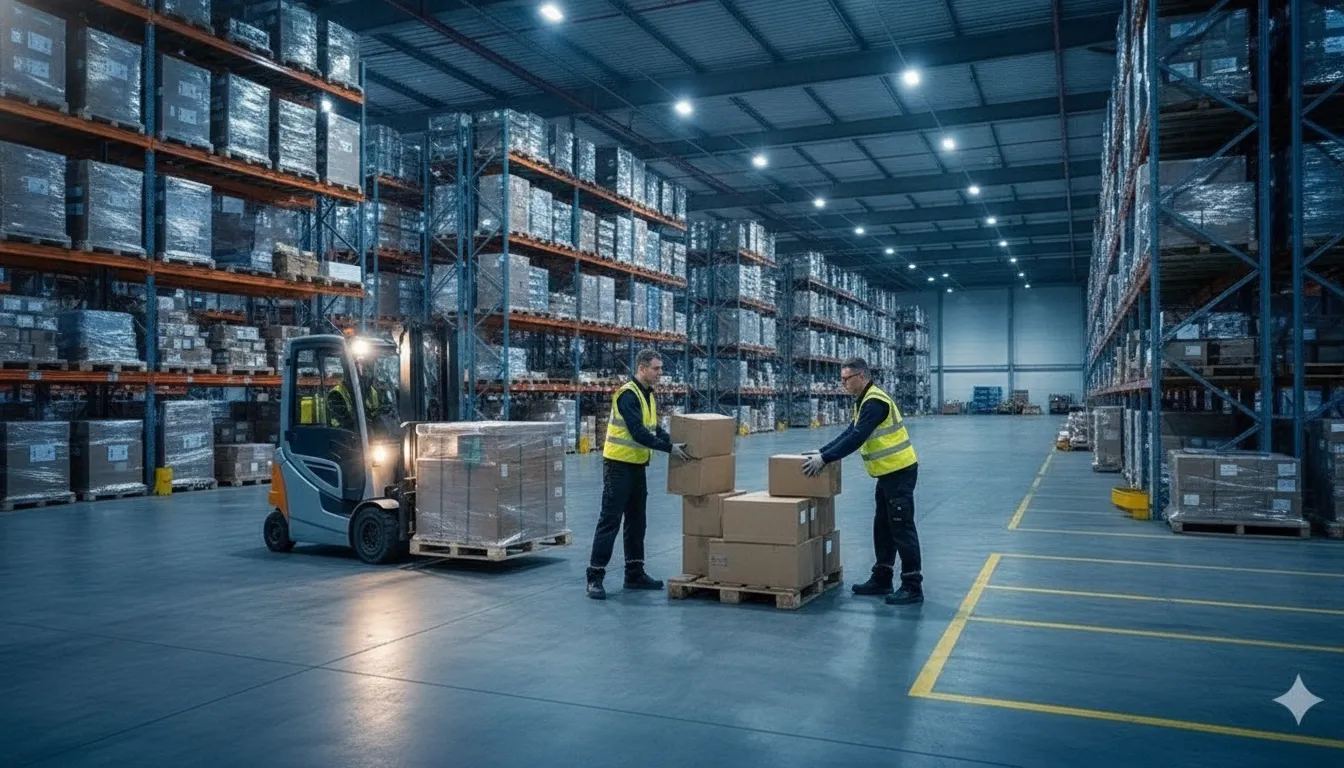
A freight restack facility is a professional site where an unstable shipment is received, unloaded, inspected, and rebuilt into a safe, transportable load. The trigger may be a rejected delivery, a shifted pallet, a fallen stack, or freight that can no longer move safely in its current condition. The team assesses the load, separates damaged or compromised materials, reconstructs the pallets, and prepares the shipment for its next leg.
Freight can shift because of tight scheduling, imperfect loading, long-distance transit, or abrupt handling. Once pallets arrive leaning or misaligned, they create risk for the carrier, receiver, and everyone handling the shipment afterward. Proper restacking reduces the chance of additional transit damage and can help prevent costly freight claims or chargebacks. The goal is not simply to make the load look orderly. It is to restore stability so the freight can move responsibly.
What happens inside the facility?
A fixed restack operation typically coordinates unloading, inspection, pallet rebuilding, product repositioning, and reload preparation. Depending on the shipment, the facility may handle container or full-truckload freight, as well as less-than-truckload shipments. This flexibility matters when a load must be transferred between equipment, consolidated, or reconfigured before delivery.
Facilities are often located near major transportation hubs and freight corridors, giving the shipment access to road, rail, or air routes after the rework is complete. A qualified provider should also have the space, equipment, labor, and process control to keep the load contained while the work is performed. For broader freight re-work services, the same response may include cross-docking, repalletizing, or other load-stabilization work.
How a facility differs from an on-site dispatch
A restack facility brings the shipment to a controlled location. An on-site dispatch sends trained labor and equipment to the trailer, yard, warehouse, or delivery point where the problem occurred. A facility is often the better choice when the load needs substantial unloading, specialized handling, temporary staging, or a complete rebuild. On-site service can be more practical when moving the trailer would increase delay, create additional risk, or violate delivery-site constraints.
When searching for a restack facility near me, confirm that the provider can handle the shipment type, respond within the required window, and coordinate the next transportation step. The right choice depends on the condition of the load, its location, and how quickly it must be made road-ready.
Fixed Facility vs On-Site Restack: Which Is Right for Your Load?
A fixed restack facility can be the right choice when a shipment is already near a major freight hub and can be safely moved into a warehouse. Facilities positioned near road, rail, or air connections are built to receive, unload, rework, and reload freight. That model is useful when the load needs equipment, holding space, or broader warehouse handling before its next appointment.
The decision changes when moving the freight creates more delay or risk. WeFixFreight provides an on-demand field-team model that deploys from a nationwide network of 150+ service agents. The team operates 24/7/365 with a two-hour initial response. It can address eligible pallet and load problems where the shipment is located. That means a broker or carrier does not have to search for a restack facility near me and arrange another move.
| Consideration | Fixed facility | WeFixFreight on-site response |
|---|---|---|
| Footprint and coverage | Usually serves a defined local or regional area near a transportation hub. | Nationwide coverage through more than 150 service agents. |
| Response flexibility | Depends on facility hours, dock capacity, appointment timing, and travel to the site. | On-demand dispatch with 24/7/365 availability and a two-hour initial response. |
| How the load is handled | The shipment is moved to the facility for unloading, restacking, rework, and reload. | The field team works at the load location when the situation and site conditions allow. |
| Cost and price transparency | Quote depends on handling, storage, equipment, labor, and transportation needs. | Pricing is transparent, standardized, and quote-based, with no specific price assumed before the load is assessed. |
| Availability | Varies by facility schedule and local operating coverage. | 24/7/365 emergency support across the United States. |
Choose a fixed facility when the shipment can be routed safely, the work requires warehouse space, or the freight needs coordinated cross-docking and storage. Choose on-site support when the immediate priority is stabilizing a fallen, leaning, shifted, or damaged pallet without adding another trip. WeFixFreight can also help coordinate broader freight re-work services when the load requires more than a simple restack.
What Certifications and Equipment a Restack Facility Should Have
A legitimate restack facility should be able to explain its safety practices before your freight arrives, not improvise after a pallet has already failed. Ask for documented operator training, site-specific safety procedures, and a clear process for inspecting, rebuilding, wrapping, and releasing each load. The facility should also be able to identify who is responsible for the freight while it is being handled and what checks occur before it returns to transit.
The compliance baseline starts with stable storage. OSHA 1926.250 requires materials stored in tiers to be stacked, racked, blocked, interlocked, or otherwise secured to prevent sliding, falling, or collapse. It also requires noncompatible materials to be segregated in storage. A restack site should therefore maintain orderly storage zones, keep damaged or unstable pallets isolated, and avoid placing freight where it can create a secondary hazard. Review the OSHA material-storage standard when evaluating a facility’s procedures.
Outbound preparation must meet the same standard of care. FMCSA cargo securement rules address devices used to prevent articles from shifting on or within, or falling from, commercial motor vehicles. A facility should know how the rebuilt load will be secured for its next movement, rather than treating wrapping as a cosmetic finishing step. FMCSA’s cargo-securement guidance provides the relevant regulatory framework for motor-carrier loads.
Equipment that supports a safe rework
- Forklifts and trained operators: Equipment must be appropriate for the load, maintained, and operated by personnel trained for the task and facility conditions.
- Adequate pallet stock: Replacement pallets should be available in suitable sizes and condition, so damaged or compromised bases are not reused.
- Shrink wrap: Commercial wrapping equipment and materials should stabilize rebuilt units without concealing unresolved damage.
- Load bars, banding, and related securement tools: The site should use the right method for the freight, packaging, trailer, and next leg of transport.
For brokers and carriers, these are not optional amenities. They are the practical safety and compliance bar for deciding whether a restack facility can protect the load, the people handling it, and the delivery schedule.
How to Find and Vet a Restack Facility Near Me
A nearby operator is useful only if it can respond immediately, handle the freight safely, and explain exactly what happens next. Use this checklist before sending a damaged or unstable load to the first facility that appears in a local search.
- Confirm 24/7 availability. Freight problems do not follow business hours. Ask whether the team accepts urgent requests overnight, on weekends, and on holidays. Confirm who answers the phone, how dispatch works, and whether the provider can support a load that is already creating a delivery or appointment risk. A listing that looks close on a map does not help if the facility cannot mobilize when your shipment needs attention.
- Verify access to freight corridors and transport hubs. Ask where the work will take place and how quickly the location can connect with the next leg of the shipment. Cross-docking facilities are commonly positioned near major road, rail, and air routes to minimize delivery time and improve supply chain efficiency. Confirm the facility’s transportation access, including truck approach, dock availability, and any restrictions that could delay arrival or departure. If a fixed site is too far away, ask whether on-site labor help can stabilize or rework the load at its current location.
- Check safety compliance and equipment. Ask how the provider secures freight during handling and storage. OSHA requires tiered materials to be stacked, racked, blocked, interlocked, or otherwise secured against sliding, falling, or collapse. See the OSHA material-stacking standard. FMCSA cargo-securement rules also address preventing articles from shifting or falling from commercial vehicles. The operation should have suitable forklifts, pallet materials, wrap, blocking, and trained personnel, with incompatible materials segregated when necessary.
- Confirm standardized pricing up front. Request a clear, written, quote-based explanation of the work before authorization. The provider should explain what is included, identify possible scope changes, and avoid surprise or hidden fees. You do not need the lowest promise. You need transparent, consistent terms that your operations team can approve quickly. Review the available freight rework services and ask whether the quoted work covers unloading, restacking, re-palletizing, and transfer requirements.
- Get a realistic response time. Ask when a qualified crew can arrive, when the facility can receive the freight, and when the load can be released. Have the shipment location, pallet count, photos, product type, appointment deadline, and equipment details ready. A provider that gives a specific next step is more useful than one that only claims local coverage.
How WeFixFreight Deploys Facility or Field Teams Based on Need
The right response is not always a trip to the nearest warehouse. WeFixFreight first evaluates what is happening to the load, where it is located, and how quickly it must move again. That assessment determines whether a fixed facility team should receive the freight for controlled rework or whether a field team should stabilize and restack it at the current location.
For a load with fallen, leaning, or shifted pallets, the decision can affect safety, delivery timing, and the cargo value exposed to further damage. The average cargo value at risk is approximately $273,990 per incident, so getting the right people moving quickly matters. WeFixFreight operates 24/7/365 through a nationwide network of more than 150 service agents. With a two-hour initial response designed to start the assessment without waiting for normal business hours.
When a fixed facility is the better option
A facility team may be the better fit when the load needs a controlled environment. More room to unload and rebuild pallets, or equipment that is not available at a roadside location. A cross-dock or freight rework facility can provide space for unloading, inspection, pallet replacement, load stabilization, and preparation for the next leg of transportation. This option may also make sense when trailer access is limited, the shipment must be separated, or safety conditions make on-site work unsuitable.
Location still matters. WeFixFreight considers proximity to major freight corridors, the delivery schedule, and whether moving the load to a facility would save time rather than add another delay. The objective is not simply to find a restack facility near me. It is to select the response that restores the shipment safely and efficiently.
When a field team should go to the load
On-site deployment can be faster when the trailer is accessible and the location is safe for the crew. When the freight can be corrected without a full facility transfer, field agents can assess the condition, restack or reposition pallets, and stabilize the load. This keeps the shipment moving from its current location. This approach can reduce unnecessary handling when speed is the primary concern.
Both paths are part of WeFixFreight’s emergency pallet restacking service. The team provides a clear, standardized, quote-based price before work begins, without relying on hidden or unexpected charges. Whether the solution is a facility crew or an on-site response, the recommendation is based on safety, access, location, and the time the shipment can afford to lose.
Contact us now to get a restack facility near me dispatched fast.
Frequently Asked Questions About Restack Facilities
What is pallet rework and restacking?
Pallet rework and restacking is the process of rebuilding a pallet whose contents have shifted, fallen, or become unsafe during transit. A trained team resets the product, replaces damaged pallets or packaging, re-wraps the load. And secures it so the shipment is stable, safe, and ready for transport or delivery.
How do I find a restack facility near me?
Look for cross-dock facilities or logistics providers that clearly list pallet rework, shifted load, or emergency restacking services in your area. Confirm they operate 24/7, are near major freight corridors, and can respond quickly. Because an emergency restack only helps if the team acts fast, verify response time before you need it.
Why would my freight need restacking?
Freight often needs restacking when a pallet is broken, the load has shifted during transit, or a receiver rejects the shipment for safety reasons. Unstable pallets become a liability for both carriers and receivers, so rebuilding the load correctly protects the cargo and keeps the delivery on schedule.
Can a cross-docking facility handle shifted pallets?
Yes. Many cross-dock and rework facilities are equipped to handle pallet restacking, rework, and specialized transfers. The right partner brings forklifts, fresh pallet stock, stretch wrap, and trained operators to stabilize the load and return it to a compliant, transportable condition.
What should I look for in a pallet restack facility?
Look for 24/7 availability, proximity to major transport hubs, documented OSHA and FMCSA compliance, proper equipment, experience with many load types, and transparent standardized pricing. A reputable provider should quote clear, upfront pricing with no surprises and no hidden fees.
Contact us now for your freight rework needs
When a shipment needs a practical restacking solution, the right next step is to share the load details and location so the response can be directed appropriately. Contact us now for urgent emergency pallet restacking help and a clear path forward.