
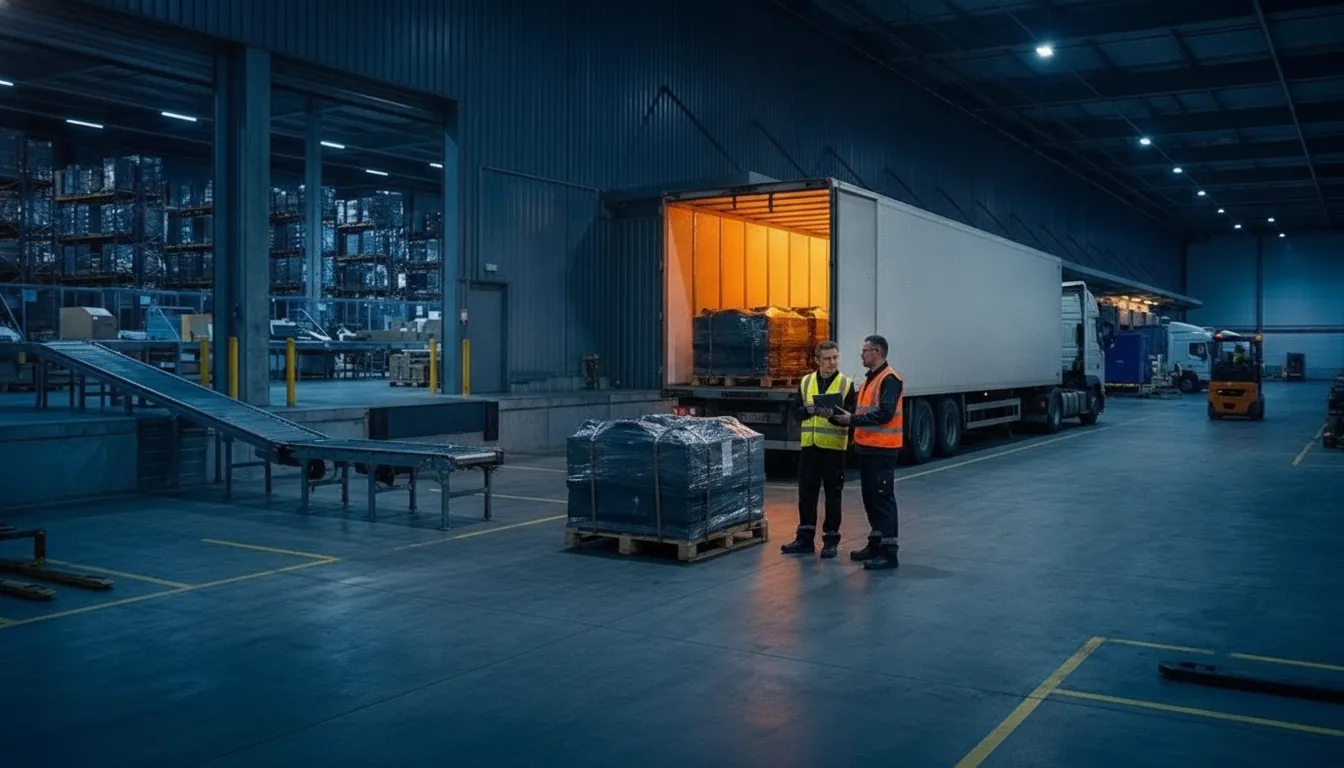
When a freight problem does not fit a standard re-work assignment, a specialized freight projects service can coordinate the people, facilities, equipment, and timing needed to restore a workable plan. For brokers, shippers, carriers, and 3PLs, the priority is a clear response to a non-standard logistics challenge, not a generic menu of services.
WeFixFreight evaluates the cargo, current location, condition, urgency, access limits, and desired end state before recommending a response. That may include freight re-work, on-site labor, cross-docking, transloading, short-term warehousing, re-delivery, or another coordinated service. The scope is built around the shipment and the operational problem.
What Makes a Freight Project Specialized?
Routine freight re-work addresses a defined handling problem, such as shifted pallets, unstable packaging, or freight that needs restacking at one accessible site. A specialized project begins when one corrective task will not resolve the situation. The distinction usually comes from the combination of constraints rather than from the cargo value alone.
The load or handling requirement is outside the normal pattern
Unusual dimensions, difficult access, complex assembly or disassembly, or specialized handling requirements can move a job beyond routine re-work. The response may require a compatible facility, additional labor, alternate equipment, or coordination between multiple service points. The specialized projects service is defined by the problem-solving required, not by a fixed checklist.
The site, route, or timing changes the plan
A project may become specialized when the freight cannot be handled at its current location, the original delivery path no longer works, or a narrow appointment limits the available options. The initial assessment considers the incident, exact location, cargo type, handling requirements, timing, and resources needed. Those details determine whether the response can stay at one site or needs a coordinated sequence.
Coordination matters as much as physical work
Complex freight emergencies can require central dispatch to identify agents by proximity and capability, coordinate local partners, or align support across locations. WeFixFreight has a nationwide network of more than 150 service agents, but the correct resource still depends on the actual site, cargo, and requested work. Availability and fit should be confirmed for each project.
Common Examples of Specialized Freight Projects
Non-standard loads and difficult dimensions
Some freight cannot follow a conventional dock or delivery plan. Cargo may require unusual handling space, a transfer point with suitable access, or equipment that is not available at every facility. A specialized response evaluates dimensions, weight, packaging, timing, available locations, and the next transportation step together.
Complex assembly or disassembly creates a similar need. If freight must be separated to move safely or assembled in stages, the plan must account for labor, workspace, handling instructions, and the next handoff. The objective is a practical sequence, not a one-size-fits-all service selection.
Shifted, damaged, or unstable freight
A load that shifted in transit may need inspection, stabilization, restacking, packaging replacement, or transfer to another vehicle before it can continue. Damage can create additional decisions about what remains serviceable and what approvals are needed before the next step. In these cases, freight re-work may be combined with cross-docking, temporary storage, or on-site labor.
Product condition should be described accurately, with photos or inspection notes when available. The operations team can then distinguish corrective handling from a separate disposition decision. Product disposal is not an automatic step in every damaged-freight project.
Rejected deliveries and constrained resources
A rejected delivery can require inspection, a new receiving location, temporary holding space, re-delivery coordination, or a transfer between vehicles. If the original facility cannot accept the shipment, the project plan must account for dock access, labor, storage capacity, and the next delivery window.
Brokers, shippers, carriers, facilities, and local providers may each control part of the solution. Coordinating those decisions keeps the response aligned and reduces the risk of sending a routine resource to a non-routine job.
Multi-load or multi-location emergencies
A single exception can become a larger project when several loads, facilities, or delivery commitments are affected. The response needs a clear view of each load’s location, urgency, condition, and required action. Separate local assignments still need a shared sequence so one action does not create a new constraint elsewhere.
The nationwide service-agent coverage provides context for the network, while the project assessment confirms which resources are suitable for the specific freight.
How WeFixFreight Scopes and Prices Non-Standard Jobs
A non-standard project needs more than a broad description. WeFixFreight builds an operational picture so the proposed response matches the cargo, location, urgency, access conditions, and available resources. This separates a routine corrective service from a coordinated project involving labor, equipment, facilities, or transportation support.
The inputs behind the assessment
- Cargo and condition: freight type, dimensions, weight, packaging, quantity, visible damage, instability, or exposure.
- Exact location: facility address, truck or rail location, dock details, access instructions, and an on-site contact.
- Timing: when the issue occurred, when access is available, and which delivery or production commitments are affected.
- Site constraints: dock access, trailer space, operating hours, security, weather exposure, or facility rules.
- Handling needs: restacking, repackaging, transfer, transloading, on-site labor, temporary storage, assembly, or disassembly.
- Desired end state: stabilized freight, a reworked load, transfer to another vehicle, short-term storage, delivery coordination, or another approved outcome.
WeFixFreight’s more than 150 service agents and partner resources are distributed across the country. The closest provider is not automatically the right provider, so the requested capability and project conditions must be matched to the available resource.
How the quote is determined
Pricing is quote-based and follows the documented assessment rather than a public rate card. The quote is designed to be transparent, standardized, and tied to the services and resources required. WeFixFreight does not publish a one-size-fits-all price for work that varies by cargo, complexity, location, timing, and equipment needs.
If the facts change, the scope may need to be reviewed before work proceeds. Clear scope information helps the parties understand what is included in the proposed response and what additional conditions may affect it.
When a Standard Rework Solution Is Not Enough
Routine re-work is usually appropriate when a load needs corrective handling at one location. That may mean stabilizing shifted pallets, replacing damaged packaging, restacking freight, or preparing the shipment for continued movement. A project becomes more involved when the load cannot be resolved through one handling event.
The decision boundary is operational. If the shipment needs a change of equipment, temporary storage, multiple locations, specialized labor, or a revised delivery sequence, it should be scoped as coordinated support rather than treated as ordinary restacking.
| Situation | Likely service combination | Coordination question |
|---|---|---|
| Shifted or unstable freight at one accessible site | Restacking, stabilization, and packaging repair | Can the load be corrected? |
| Freight must move to another trailer or mode | Cross-docking or coordinated freight transloading | What equipment is needed? |
| The shipment needs a temporary pause | Short-term warehousing and later re-delivery | Where can freight be held? |
| Freight needs unusual equipment or a multi-location response | A specialized projects service plan | Who coordinates handoffs? |
On-site labor can support loading, unloading, sorting, repacking, or other approved handling tasks when the job requires more hands than a routine facility response. Short-term warehousing temporarily holds freight, while cross-docking transfers it with no planned intermediate storage.
Product disposal is a distinct route, not an automatic step in a re-work project. When cargo is damaged or otherwise unfit for continued use, the cargo owner must decide whether disposal is appropriate. See the freight disposal guide for that separate decision path.
For cross-docking, transfer, and related emergency freight movement, the emergency cross-docking service guide provides the relevant service comparison. This specialized-project article focuses on the broader coordination question when several constraints must be solved together.
Contact us now to discuss a specialized freight project.
How to Request a Quote for a Specialized Freight Project
A complete request helps the specialized freight projects service assess the situation and identify the right combination of people, equipment, facilities, and timing. Share these details as clearly as possible:
- Describe the cargo and condition. Include freight type, dimensions, weight, packaging, quantity, and visible damage or instability.
- Provide the exact location. Give the facility address, current truck or rail location, dock information, and an on-site contact.
- Explain timing and commitments. State when the issue occurred, when access is available, and which delivery or appointment commitments may be affected.
- Identify site constraints. Explain limits involving dock access, trailer space, operating hours, security, traffic, weather exposure, or facility rules.
- List handling or equipment needs. Describe possible needs such as restacking, repackaging, transloading, on-site labor, temporary storage, assembly, or disassembly.
- Define the desired end state. State whether the goal is stabilized freight, a reworked load, transfer to another vehicle, short-term storage, delivery coordination, or another approved disposition.
Frequently Asked Questions
What makes a freight project specialized?
A project is specialized when a routine re-work, transfer, or delivery plan cannot address the load practically. Common factors include non-standard dimensions, difficult access, complex delivery pathways, specialized handling, or assembly and disassembly needs. The response is scoped around cargo, location, timing, and available resources.
What are examples of specialized freight projects?
Examples include coordinating an unusual load through a difficult delivery route, arranging equipment for complex handling, managing a multi-location recovery, or combining on-site labor with cross-docking and short-term warehousing. The appropriate combination depends on the condition of the freight and the operational problem.
Can multiple freight services be coordinated for one project?
Yes. A complex emergency may require freight re-work, cross-docking, re-delivery, on-site labor, or temporary storage. WeFixFreight can coordinate agents and partner-owned logistics resources when the situation requires capabilities from more than one location or provider.
How does pricing work for a specialized freight project?
Pricing is quote-based. WeFixFreight assesses the incident, cargo, location, handling requirements, timing, and resources needed before preparing a standardized, transparent quote. Specific rates are not published because each project depends on its actual scope and conditions.
What information should I provide when requesting help?
Share the freight location, cargo type, shipment condition, dimensions or unusual handling needs, incident details, delivery commitment, and services that may be required. Photos, reference numbers, access restrictions, and available equipment can also help the team evaluate the situation.
Ready to Plan Your Specialized Freight Project?
Non-standard freight challenges often require a coordinated plan that accounts for cargo, location, timing, and handling needs. Share the situation with the We Fix Freight team so the next steps can be evaluated clearly.