
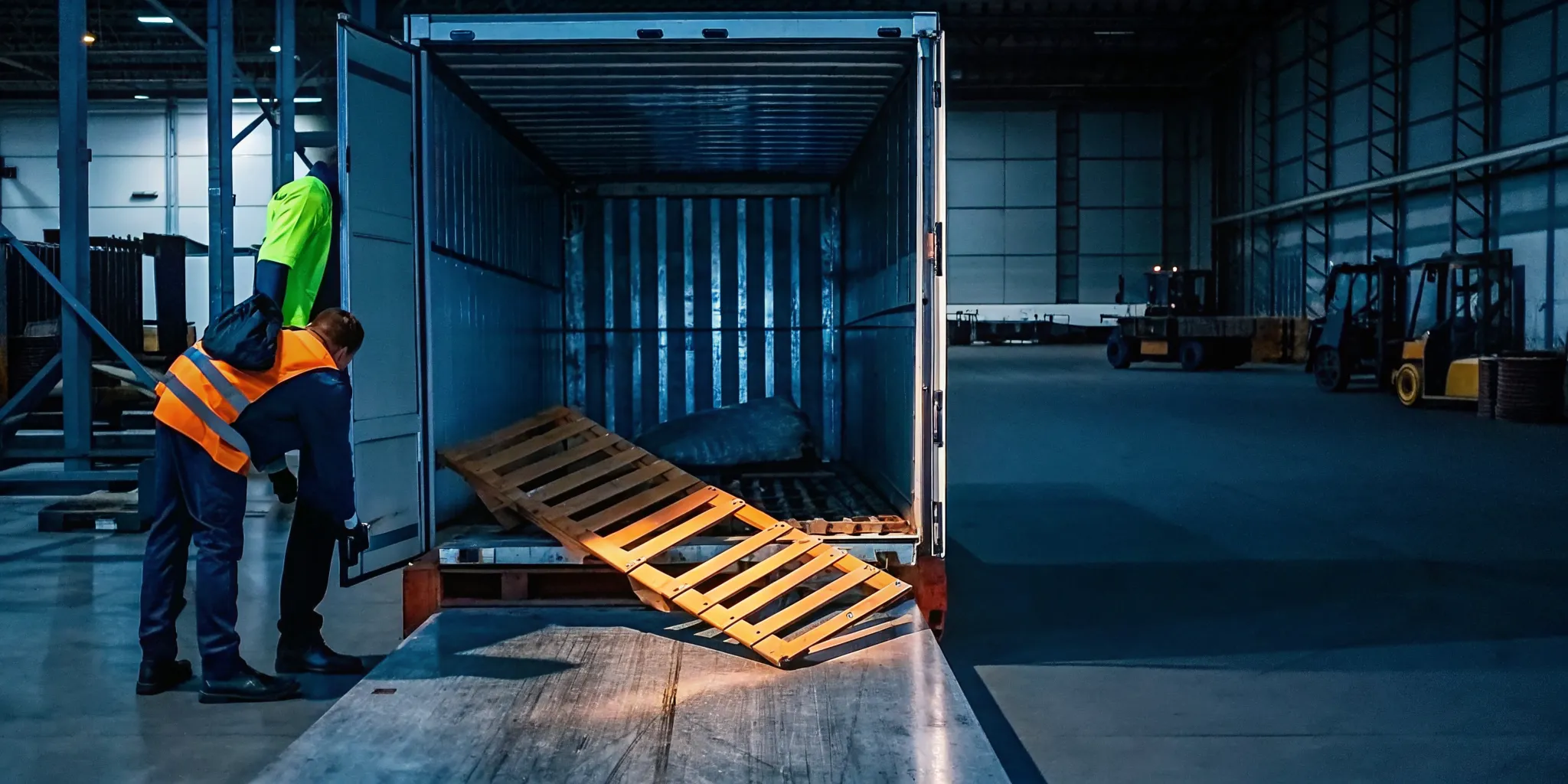
When a pallet load starts leaning, shifts in transit, or arrives with broken boards, the problem is more than a damaged shipment. It can create a safety risk, trigger a receiver rejection, and put delivery timing at risk for everyone managing the load.
Pallet rework is the process of repositioning, restacking, or repairing a palletized load that became unstable or damaged during transit. It may include stabilizing the product, moving viable cargo to a sound pallet, or preparing the load for safe continued transportation.
For brokers, shippers, and carriers, the right response depends on what failed, where the load is located, and what the receiver will accept. Professional teams can bring the manpower and tools needed to address broken, shifted, or leaning freight at a roadside location or dock. We Fix Freight provides 24/7 emergency support through a nationwide network of more than 150 service agents. First, it helps to distinguish rework from related services and understand what the term covers.
Contact us now to request pallet rework and get a damaged or unstable load moving again.
What Is Pallet Rework? A Plain-English Definition
Pallet rework is the process of repositioning, restacking, or repairing a palletized load that has become unstable or damaged during transit. In practical terms, rework makes the freight safe, stable, and suitable for the next leg of its journey instead of letting a damaged load continue toward delivery.
Rework may involve correcting a leaning stack, moving product onto a sound pallet, replacing damaged pallet components, or securing the load with new wrap or banding. The exact work depends on what failed and where the freight is located. A carrier may need help at the roadside, while a broker or shipper may need a crew at a customer dock before the receiver rejects the shipment. For a broader overview of the service category, review what freight rework is and how it restores damaged shipments.
Why pallet rework matters after a load shifts
Pallets can fail or shift during transit because of damaged boards, unstable stacking, movement inside the trailer, or handling impacts. A shifted or leaning load is not merely untidy. It can create a hazardous unloading condition, damage otherwise usable cargo, and prevent the shipment from meeting receiver requirements. Rework addresses the immediate problem before the next lift, transfer, or delivery attempt.
Common rework actions include:
- Repositioning product that has moved on the pallet.
- Restacking cartons or other freight into a stable configuration.
- Repairing or replacing a pallet that can no longer support the load.
- Separating damaged packaging and transferring viable cargo to a new pallet.
- Applying shrink wrap, banding, or other appropriate stabilization before transport continues.
Reworking the pallet does not always mean discarding it
When a wood pallet can be repaired safely, recovery and reuse can extend its service life. Research from the USDA Forest Service explains that wood pallets can be recovered and reused, while repair and remanufacturing help extend their useful life and environmental performance: USDA Forest Service pallet research. Completely unrepairable packaging may need disposal, but viable cargo and serviceable pallet materials can often be preserved.
For brokers, shippers, and carriers, the goal is to stabilize the freight, protect people and cargo, and keep the shipment moving without a rejected or delayed load.
Pallet Rework vs Pallet Restacking: Are They the Same?
Not exactly. Restacking is one possible part of pallet rework, but it is not the full remedy. Restacking means re-piling an upright load that has shifted, leaned, or become unstable. The goal is to restore a safe, orderly stack without necessarily changing the pallets or the way the freight moves.
| Consideration | Pallet restacking | Pallet rework |
|---|---|---|
| Primary purpose | Re-pile shifted or leaning freight so the load is stable and ready to move. | Correct broader structural, packaging, handling, or receiving problems affecting the shipment. |
| What it may involve | Repositioning product, rebuilding the stack, and securing the existing palletized load. | Replacing broken pallets, separating damaged packaging, shrink-wrapping or banding freight, and transferring viable goods to new pallets. |
| When the pallet has failed | Restacking alone may not resolve the problem if the pallet cannot safely support the load. | Rework can include transloading goods from a trailer when the pallets themselves have failed. |
| Where it fits operationally | Often performed on-site to stabilize a load before delivery or continued transit. | May include cross-docking services when freight must be consolidated or moved between handling points. |
| Receiver requirements | Addresses visible instability, but may not fix pallet type, height, weight, or packaging requirements. | Can bring the shipment into a condition the receiver can safely handle, helping avoid total rejection when an unsafe load cannot move as-is. |
A simple rule helps: if the pallet is sound and the product only shifted, restacking may be enough. If the pallet is broken, the packaging is compromised, or the load must meet specific receiver requirements, pallet rework is the more complete solution. On-site teams may combine both, rebuilding the stack and adding shrink-wrap or banding for stability before the freight continues.
Common Situations That Require Pallet Rework
Pallet damage is not always obvious from outside the trailer. A load may look intact until a receiver attempts to unload it, or until a pallet shifts far enough to create a safety concern. Watch for these conditions as signals that the freight needs inspection and possible rework:
- Broken pallet stringers or missing deck boards: Structural damage can leave the pallet unable to support the load safely.
- Shifted, leaning, or compromised product: Product that has moved can place uneven pressure on the pallet and increase the risk of further damage.
- Improper stacking or damaged pallets: These are leading causes of load shifts and freight damage during over-the-road transport.
- Receiver weight or height restrictions: A palletized load may need to be rebuilt when it exceeds the receiving dock’s equipment limits.
- Specific pallet-type requirements: Some receivers require a particular pallet size, construction, or condition before they will accept the shipment.
Q: What are common triggers for pallet rework?
A: Common triggers include shifted loads, broken pallets, missing boards, compromised wrapping, overhang or underhang, and violations of the receiver’s weight or height limits. The right response depends on whether the cargo, pallet, packaging, or receiving configuration is the problem.
Q: When should a carrier stop and request help?
A: Request professional help when the load is leaning, visibly unstable, difficult to unload, or unsafe to move without additional handling. Continuing to drive with a compromised pallet can turn a correctable rework issue into damaged freight, a rejected delivery, or a broader recovery operation.
Q: Why do receiver requirements matter?
A: A shipment can be secure for transit and still fail at the destination if it cannot be handled by the receiver’s equipment or does not meet its pallet specifications. Reworking the load before delivery can help prevent rejection and keep the shipment moving. Locating rework help at my location removes the uncertainty of coordinating a crew from far away.
How the Pallet Rework Process Works Step by Step
A controlled pallet rework starts with inspection, not immediate movement. The team needs to understand what shifted, what is damaged, and what can be safely handled before anyone begins unloading or rebuilding the load. This protects people, limits additional cargo damage, and gives brokers, shippers, and carriers a clear record of the condition at arrival. The freight inspection process establishes that baseline.
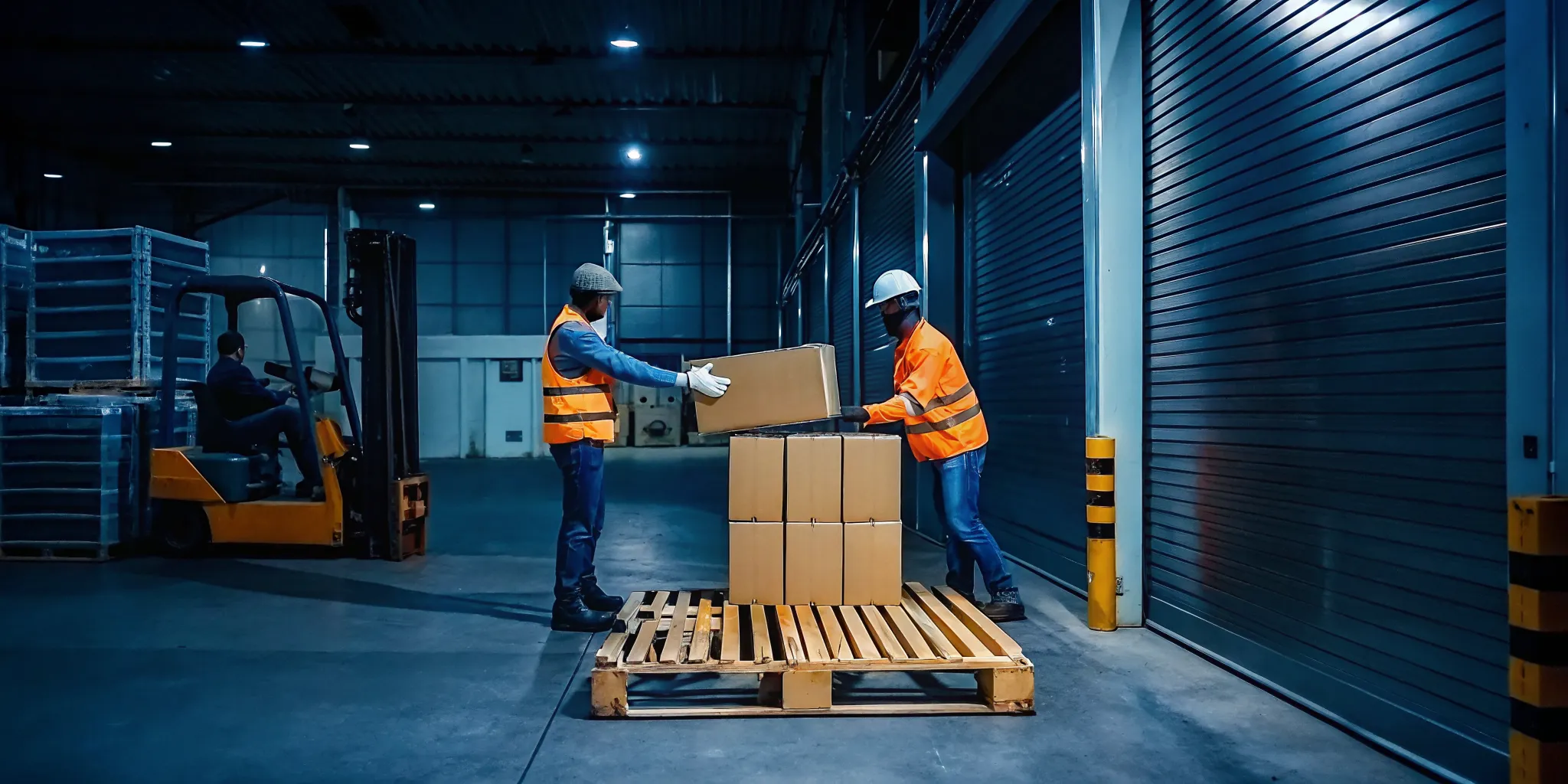
- Inspect and photo-document the load. The rework team assesses the trailer, pallets, packaging, product condition, load height, and signs of shifting or collapse. Photos document the starting condition and help identify which freight is viable. Which pallets are compromised, and whether the load can be handled at the roadside or customer dock.
- Separate damaged freight from viable cargo. Broken packaging, spilled product, and freight that cannot be safely recovered are separated from items that can continue to the receiver. Unrepairable packaging may be disposed of while viable cargo is protected for transfer to new pallets.
- Confirm shipper and receiver instructions. The team verifies pallet specifications, labeling, stacking requirements, weight or height limits, and any handling directions before rebuilding the load. This step helps prevent a repaired shipment from being rejected for failing to meet receiving requirements.
- Rebuild the load and replace broken pallets. Professional teams bring the tools and manpower needed to safely handle broken, shifted, or leaning loads. They restack product, reposition cases, repair suitable pallets, or transfer cargo to replacement pallets when the original pallet cannot support the shipment.
- Band or shrink-wrap the completed pallets. After the cargo is positioned correctly, the team stabilizes it with appropriate containment, such as shrink-wrap or banding. This helps keep the pallet secure during the remaining journey and reduces the chance of another shift in transit.
- Verify the finished load before release. The final check confirms that pallets are stable, packaging is secure, instructions have been followed, and the load is ready for the next movement. The team records the completed condition so the carrier, broker, or shipper knows what work was performed.
Handling the sequence in this order turns an unstable shipment into a documented, transportable load without treating every damaged pallet as a total loss.
Do I Need Pallet Rework or a Full Reload?
The right choice depends on whether the cargo can be stabilized and delivered safely, or whether the pallets and handling plan have failed beyond practical repair. Pallet rework is usually the better path when the product remains usable, the load can be rebuilt, and the receiver’s requirements can be met. It may involve repositioning freight, replacing damaged pallets, removing unusable packaging, or transferring viable cargo to new pallets.
Rework can help carriers avoid re-delivery fees and help brokers protect demanding delivery windows. It can also prevent a total cargo loss, along with disposal or return-freight costs. When a rejected load is occupying a dock or trailer, prompt correction may reduce detention or demurrage exposure as well.
When pallet rework is the practical choice
- The product is largely intact, but pallets are broken, shifted, leaning, or unstable.
- The receiver requires a different pallet configuration, height, or weight distribution.
- The load can be inspected, separated, and rebuilt without changing its destination or transportation plan.
- New wrapping, banding, or pallet support can make the shipment safe for the remaining journey.
When a full reload or transload may be necessary
A full reload or transload is more appropriate when pallets are unsalvageable, cargo must be completely removed and rebuilt, or the shipment needs to change conveyance. For example, a failed pallet may require unloading the trailer, separating damaged packaging, and moving viable product onto a new pallet configuration. A transload may also be necessary when freight must move from one equipment type to another rather than continue in its current trailer.
Quick questions to guide the decision
Can the load continue after stabilization? If inspection confirms the cargo is viable and the rebuilt pallets meet handling requirements, rework may be sufficient.
Does the freight need a different transportation method? If the load must change conveyance or the existing pallets cannot support safe movement, plan for a full reload or transload.
How to Request Pallet Rework Nationwide
When a load is leaning, shifted, fallen over, or otherwise unsafe to move, start with a clear description of the problem and its location. We Fix Freight provides 24/7 emergency response across the United States through a nationwide network of more than 150 service agents. That reach helps brokers, shippers, carriers, and 3PLs arrange rapid on-site support and minimize shipment downtime.
Share the details that will help the response team prepare, including the truck or trailer location. The condition of the pallets, the type of freight, the delivery deadline, and any receiver requirements. Photos can also help clarify whether the load needs repositioning, restacking, replacement pallets, stabilization, or a broader rework solution. Review the full pallet rework and restack services to understand the available options, and see the step-by-step guide to pallet restacking for reference.
We Fix Freight provides transparent, standardized, quote-based pricing before work begins. You can request an estimate without guessing at the scope or dealing with unexpected charges. If the situation requires more than restacking, the team can determine whether on-site labor, transloading, disposal of unrepairable packaging, or another remediation service is appropriate.
Services are payable upon completion to We Fix Freight via Comchek, EFS, or Credit Card. The driver will not pay on location.
The process is straightforward: describe the situation, get a clear quote, and let a qualified team handle the rest.
Contact us now to request nationwide pallet rework and protect the shipment against delay or rejection.
Frequently Asked Questions
What are the most common triggers for pallet rework?
Common triggers include broken pallet stringers, missing deck boards, shifted or leaning product, weak shrink-wrap, overhang, and loads that exceed a receiver’s weight or height limits. A load may also need rework when the receiver requires a specific pallet type or configuration.
How does freight rework differ from simple pallet restacking?
Restacking generally means placing cartons or products back into a stable arrangement. Freight rework is broader. It can include inspecting the shipment, repairing or replacing a pallet, separating damaged packaging, transferring viable cargo, and stabilizing the finished load. If the original pallets have failed, rework may also involve transloading.
What steps are involved in pallet rework?
The process starts with an inspection of the pallet, cargo, packaging, and receiving requirements. The team then separates damaged material, determines what can be repaired or saved, rebuilds or replaces the pallet as needed, and secures the load for the remaining journey. Unrepairable packaging may be disposed of while viable cargo is preserved and transferred to new pallets.
How much does pallet rework cost?
There is no single price because the scope depends on the number of pallets, cargo condition, labor, equipment, location, and whether transloading or disposal is required. We Fix Freight provides transparent, standardized, quote-based pricing before work begins, without publishing misleading one-size-fits-all rates.
Contact us now for pallet rework support
When a palletized load needs to be stabilized, repositioned, or prepared for delivery, the right next step can help keep the shipment moving. Contact us now to request nationwide pallet rework and emergency freight remediation. Share your location, load condition, and immediate needs so the team can determine the appropriate support for your shipment.