
A rejected or distressed load can turn one missed appointment into hours of driver downtime, mounting fees, and an unhappy customer. Choosing between short term warehousing vs cross docking quickly gives freight brokers, shippers, and carriers a clear recovery path.
Contact us now for 24/7 help choosing and coordinating the right freight recovery service.
Short term warehousing vs cross docking represent the two main paths for handling rejected freight at a remediation site. The primary difference between these options is the length of time your cargo spends at a site before moving out again. Cross-docking moves goods from an inbound truck to an outbound carrier in less than 24 hours, while short-term warehousing provides a safe home for 90 days. As stated by EP Logistics, normal warehousing keeps stock for months while cross-docking moves goods directly to avoid high storage fees and long dwell times. This choice depends on the timing of your next trip to ensure you minimize downtime and get your freight back on the road quickly. Selecting the right service helps you keep a smooth supply chain flow and protects your bottom line when a shipment crisis occurs.
Many freight brokers and carriers struggle to pick the best option when a shipment goes wrong. You need to understand how each service affects your costs. To help you choose, we have provided a comparison of Short term warehousing vs cross docking at a glance. Start by comparing the timing, handling, storage, and risk of each option.
Short term warehousing vs cross docking at a glance
When a freight load is stuck or broken, you must act fast to cut down on wait times. Logistics teams often pick between two main plans to fix the issue: short term warehousing and cross docking. One focuses on speed and movement. The other gives you more time to solve a big problem with a load.
Defining cross docking for rapid movement
Cross docking is a plan where goods move straight from one truck to another with almost no storage time. Most loads spend less than 24 hours at the dock. The main goal is to group goods together to save on fuel and truck costs. This plan helps carriers with leaning pallets or shifted loads who need a quick fix. By using cross docking services, you can move goods fast without the high cost of holding stock for days.
This method works best when the final stop is ready for the goods. It cuts out the need to put items on a shelf and pick them back up later. This saves time and lowers the risk of more damage to the freight. But this plan needs a very tight schedule to work well. If the outbound truck is late, the dock can get crowded fast.
When short term warehousing is the better fit
Short term warehousing is for loads that need a place to stay for less than 90 days. This is the right choice when you do not have a new truck ready or the final stop is not yet set. Unlike moving goods fast, this method keeps stock ready near the buyer to meet later needs. If you have a rejected load that needs a new buyer, short term warehousing gives you the room to store it safely.
Storage is helpful when a load needs more work than a simple cross dock can provide. If a pallet is broken and needs to be restacked and wrapped, you might need a few days to get it right. Having a safe spot to keep the freight avoids the stress of a ticking clock.
| Feature | Cross Docking | Short Term Warehousing |
|---|---|---|
| Timing | Less than 24 hours | Less than 90 days |
| Handling | Direct truck to truck | Stored on floor or rack |
| Storage | Very little or none | Held until re-delivery |
| Best Use | Quick rework or transload | Rejected loads or sales delay |
| Risks | Outbound truck delays | Higher daily storage fees |
Making the right choice for your load
Picking the best path depends on how fast you need to move the freight. If you can fix the load and ship it today, cross docking is the best way to lower costs. But if the load has no clear home yet, storage is the safer bet to avoid extra fees. Cross docking can lead to stock issues if the timing is off or if a dock gets too full.
Using a nationwide network with over 150 agents helps you find the right spot for freight rework or storage at any time. We help you pick the best plan to keep your freight moving. Our team offers clear pricing so you can make the best choice for your budget. Contact us now to get your shipment back on track.
When does short-term warehousing make more sense?
While cross-docking moves goods fast, it is not always the best fit. Sometimes your freight needs a place to sit. This may last for a few days or weeks. This is where short term warehousing vs cross docking becomes a clear choice. If you do not have a receiver ready to take the load, you need a safe spot to keep it. This choice keeps your truck free to handle other jobs while your goods stay secure. Using cross-docking services is great for speed, but warehousing gives you the safety net you need for tough crises.
Handling timing gaps
One big reason to choose storage is when the timing is not clear. A receiver might have a full dock or a broken gate. They might tell you to come back in three days. In these cases, you cannot just leave the goods on a dock. You need a space that can hold them for a short time. Short-term warehousing gives you this flex. It is a good way to manage gaps in your schedule without losing money on a stalled truck.
Short-term storage is a solution that lasts less than 90 days. This is much longer than the usual 24-hour window for cross-docking. According to research from Purdue University, warehousing helps keep stock ready when customer demand is hard to know. This allows you to wait for the right time to deliver without rushing. It also helps if your gear breaks down and you need a place to stage the load while you fix the truck.
Managing damage and checks
Sometimes a load arrives in bad shape. If pallets have shifted or boxes are crushed, you cannot just move them to a new truck. You need time to look at the damage. You might need to take photos for a claim. This work takes space and time that a busy cross-dock cannot give. Warehousing lets you pull the freight aside to do a full check.
Once the check is done, you might need to fix the load. This is called freight rework. Workers may need to restack pallets or wrap them again to make them stable. In a warehouse, you have the room to sort through the items. You can separate the good products from the bad ones. This makes sure only top goods reach the end user. It also protects you from claims by proving you fixed the load before you sent it.
Providing a staging area
A staging area is helpful for some projects. You might have some loads that need to go to one place at the same time. You can use short-term storage to gather all the pieces. Once everything is there, you can load them onto one or two trucks for the final leg. This saves on fuel and reduces the number of trips.
Staging also helps when you need to change the type of truck. If a large load needs to go into a city with tight streets, you might need to move it to smaller vans. A warehouse gives you the dock space and floor room to do this work safely. It acts as a buffer in your supply chain. This buffer protects you from small delays that could turn into big problems. By using a staging area, you keep your freight moving toward its goal even when the path is not direct.
How to choose the right option after a freight disruption
When freight becomes unstable or a receiver rejects a load, you must act fast to keep your supply chain moving. The choice between short-term warehousing and cross-docking services depends on your final goal. You must weigh the timing of your next move against the state of your cargo to find the best path forward.
Check load stability
The first step is to look at the state of the freight. If the cargo has shifted or the pallets are broken, you need freight rework before it can go back on the road. Good rework often needs labor to restack and wrap pallets to stop future issues. This rapid help is vital for carriers when cargo becomes unstable during transit (WeFixFreight).
Once the freight is safe to move, you can decide how to shift it. Cross-docking is best for loads that just need a new trailer or a quick move to a local truck. This method moves goods right from inbound to outbound transport with very short storage time (EP Logistics). It helps you avoid the costs of long storage while keeping your timeline tight.
Review receiver timing
Your next delivery date is the biggest factor in your choice. If the receiver can take the load within 24 hours, cross-docking is the right call. It keeps the freight in motion and cuts the number of truck trips needed to finish the job (West Virginia University). This speed is key for brokers who need to please shippers and stop claims.
If the new delivery date is days or weeks away, you need a new plan. Short-term storage works best when the final stop is not ready yet (WeFixFreight). Short-term warehousing lets you store goods for less than 90 days while you wait for a new time. This gives you the room to manage freight when the schedule is out of your control.
Step-by-step recovery process
A clear plan helps you stay calm during a shipment crisis. These steps will help you pick the right service and get your freight moving again without hidden fees.
- Check the damage and see if you need rework or labor to fix the load.
- Confirm the new delivery time with the receiver to see if the freight can move now or needs a place to sit.
- Compare the cost of a quick cross-dock move against the daily rates of short-term storage sites.
- Call a specialist with a nationwide network to find a service agent near your current spot.
- Share the full plan with all parties so the carrier and shipper both know the next steps.
- Check that all new papers and bills of lading match the new plan to avoid more delays.
The right choice between short-term warehousing vs cross docking depends on how much time you have. Cross-docking focuses on speed, while warehousing gives a safe spot for freight to wait. An expert network lets you find these ways at any hour to keep your downtime low (WeFixFreight).
What risks should you weigh before making the call?
Picking between short term warehousing vs cross docking is about more than just time. Each choice has risks that can hurt your profits. You must think about how many times you move the goods. You also need to know who tracks the data. If you pick the wrong path, you might face high fees or late loads. It is key to know these risks before you book a truck.
Risks to freight and labor
Handling is a big part of the risk. Cross-docking moves goods fast from one truck to the next. This speed can lead to slips if the team is not sharp. Each time a worker lifts a pallet, the risk of a break goes up. If the loads do not match what you need, you could run out of stock. If you have too much freight, you may have to pay for third-party storage at high rates. Speed is a plus, but it needs great timing to work. You must have a team that knows how to handle goods with care while they move fast.
You must also make sure the dock has the right tools. Not all spots can handle every type of load. If the dock does not match your truck, you will see delays. This often happens with heavy or odd loads. If a site lacks the right lift, your freight might sit while you look for a new fix. This adds to the wait and raises the risk of a break during extra moves. A good layout helps avoid these traps and keeps your freight moving. You should check the dock’s tools before you send your load there.
Planning and tracking gaps
When you use cross-docking services, you may lose sight of your goods. In a normal warehouse, you can see your stock on a shelf for weeks. In a cross-dock, the freight moves so fast that tracking it is hard. If there is a break in the plan, your load might sit still or go to the wrong gate. This lost time can hurt your schedule and lead to claims. You need a solid plan to keep your flow smooth. Small gaps in data can lead to big problems when you move many loads at once.
Speed versus control
The choice is often a trade between speed and control. Short-term warehousing gives you more time to find the best next move. This helps when the final stop for the freight is not yet set. But storage adds to the cost and slows down the work. If you push for speed too much, you may skip vital checks. You must find a balance between moving fast and keeping your loads safe and in sight. High speed can cost you more if you do not track every step and keep clear records.
Contact us now to coordinate cross-docking, freight re-work, or short-term warehousing through one nationwide team.
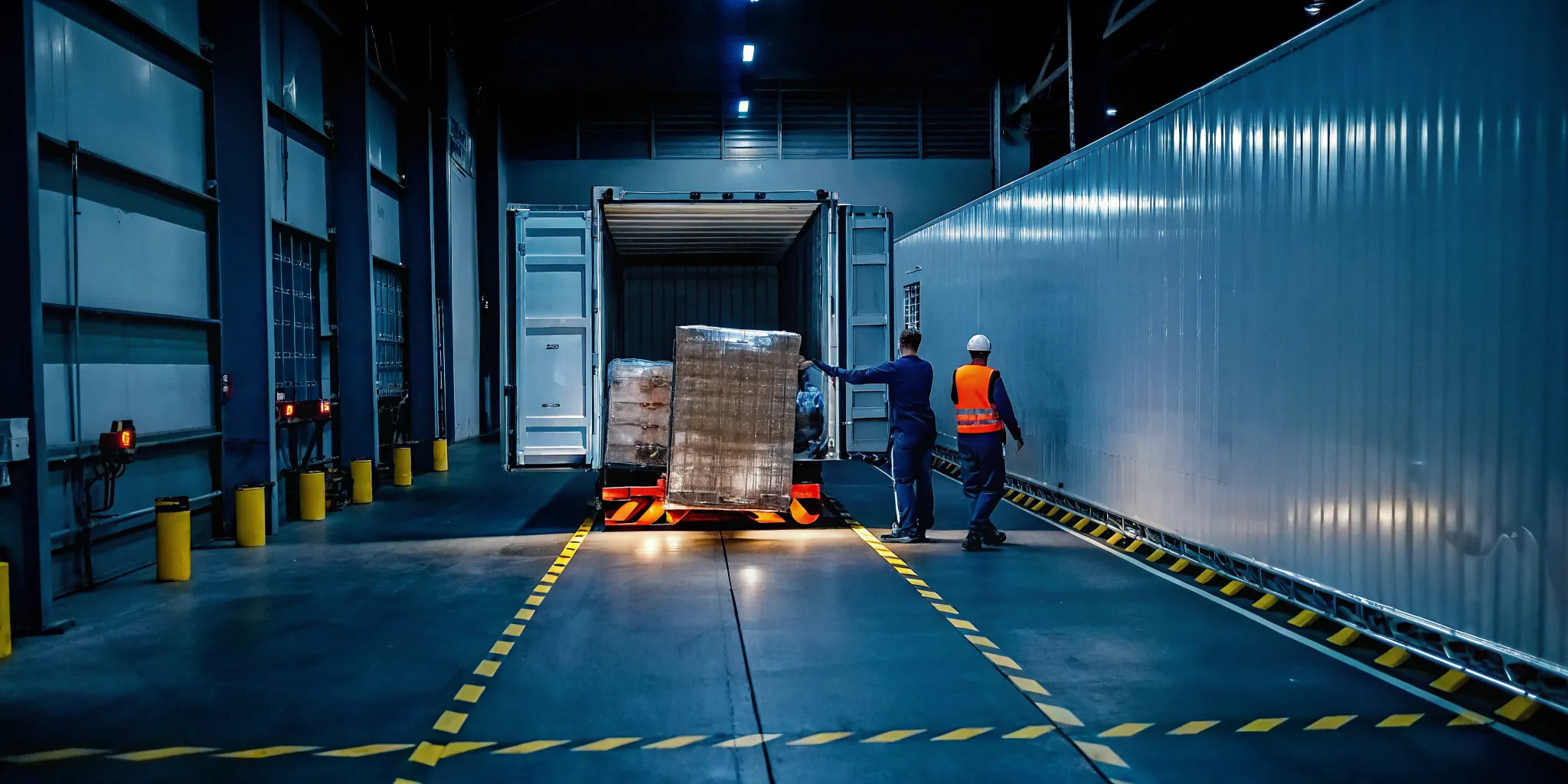
How a coordinated recovery plan keeps freight moving
Downtime is a major risk for any freight business. When a load shifts or a shipper rejects a pallet, your cargo stops moving. This can lead to missed deadlines and lost trust with your clients. You need a set plan to get goods back on the move as fast as you can.
Our team uses a vast network of more than 150 service agents to fix these crises. This 24/7 team covers the whole country. They act quickly to help you avoid long delays and high claims. A good plan starts with sharing news fast.
We work with brokers, shippers, and carriers to find the best fix. Our goal is to limit the time your truck sits idle. By having a clear path for every issue, we can turn a crisis into a solved task. This fast move keeps the supply chain fluid and keeps your costs low.
You can rely on us to handle the stress of repairs while you focus on your next load. We take care of the details so you can keep your trucks moving. Our set process ensures that no step is missed during the fix.
A broad network for fast help
Speed is the most needed part of freight repair. Our large group of local agents can reach your truck in almost any major city. This fast help keeps your supply chain on track and protects your brand.
It also helps you meet the strict needs of your shippers. On-site labor teams can handle the hard work of fixing a load right where it is. We aim for a two-hour response time to get your freight back on the road without a long wait.
This nationwide reach means you do not have to search for a new vendor in every town. You have one point of contact for the whole United States. Our agents are vetted and ready to work at any hour of the day or night.
This steady work leads to better results and less risk for your cargo. Whether you are in a small town or a big hub, our team is there to support you. We take the guesswork out of finding help when you are in a pinch.
Mixing services for a full fix
Most freight issues need more than one step to solve. You might need to use cross-docking services along with pallet rework. If a load falls or breaks, our agents can restack the items.
They also move boxes to make the load safe for the rest of the trip. We use tools like shrink wrap and straps to secure the cargo. This full approach fixes the root of the problem so you can move forward with a safe shipment.
We also offer help with transloading and re-delivery. If one truck cannot finish the job, we move the load to a new one. This keeps the freight moving even if the gear fails.
Our team can also handle short-term warehousing to bridge the gap if a dock is not ready. These options are a key part of a strong recovery plan. We make sure that every part of the load is checked and ready for its final stop.
Short term warehousing vs cross docking
Choosing the right path for your cargo depends on your time needs. You should weigh the pros of short term warehousing vs cross docking to find the best fit.
Cross-docking is built for pure speed. It moves goods from one truck to the next in less than 24 hours with very little storage. Studies show this method can cut the total number of truck trips to save you money and fuel.
Short-term storage works best when you do not have a new delivery spot right away. This service gives you safe space for less than 90 days. It keeps your goods secure while you wait for a new plan or a new buyer.
This type of storage helps to prevent stock-outs by keeping goods near the final stop until they are needed. Both options help you manage your load without the high cost of a long-term lease. We help you pick the one that fits your current crisis and your budget.
Which option fits common distressed-freight scenarios?
When a shipment hits a snag, you must act fast to keep costs low. The choice between short term warehousing vs cross docking often comes down to your next step. It also depends on how soon that step needs to happen. We help you make the right call so you can get your goods moving again.
Solving rejected loads and missed appointments
A rejected load can stall your entire route. If a receiver turns the truck away, you must find a place for the goods right now. Cross-docking works best if you have a new buyer or a back-up carrier ready to take the load within a day. This move keeps the dwell time low and puts the goods on a new truck fast.
But if you do not have a new plan, you may need more time. Short-term warehousing is the better fit when the next move is still a guess. It gives you a safe spot to keep the freight for a few days or weeks. You can take the time to talk to the shipper or find a new buyer without a truck sitting idle.
Missed appointments also cause big headaches. If a receiver cannot take the load for two days, you do not want your truck to sit. Moving the goods to a local spot for a few days frees up your driver to take a new load. This helps you keep your fleet active and avoids the cost of a parked truck.
Fixing unstable cargo and shifted loads
Unstable cargo is a safety risk that must be fixed before the truck moves. If a load shifts or a pallet breaks, you need cross-docking services to unload, restack, and reload. This fast move allows a team to fix the issue and get the same truck back on the road. It is the best way to handle freight rework when time is short.
Some loads need more than a quick restack. If the cargo is damaged, it might need a full check. You may also need to wait for a claim review. In these cases, you might store the goods for a week or two. Research shows that warehousing keeps stock ready which helps when you need a clear answer before the final move.
By using a nearby hub, you avoid the risk of more damage on a long trip. Experts say that cross-docking works best when storage lasts less than 24 hours. If you need more time to fix a pallet or re-label goods, short term storage is the safer path. This keeps the rest of the load safe while you solve the problem.
Handling trailer breakdowns and receiver delays
A trailer breakdown can leave a driver stuck with no way to finish the job. Cross-docking is the fastest way to save the load. You can move the goods from the dead trailer to a fresh one and keep the move on track. This move keeps the supply chain fluid and stops the goods from being late to the last stop.
If the receiver has a long delay, you might face a hard choice. If the wait is many days, you should drop the load at a local hub. This frees up the driver to earn money elsewhere. It also saves you from paying high fees for a truck that is not moving. It is a smart way to keep your team on the road.
Using local hubs can also cut total trips. Cross-docking saves money by cutting the truck trips needed for a load. This is vital when you have small loads going to one spot. By grouping the goods, you can make the most of every mile and keep your shipping costs low.
Contact us now for urgent support with a rejected, shifted, or delayed load.
Frequently Asked Questions
What is the difference between cross-docking and warehousing?
Cross-docking moves goods directly from one truck to another with very little storage time. This process often lasts less than 24 hours. In contrast, normal warehousing involves storing items for days or months until a customer needs them. EP Logistics says warehousing keeps products near customers to shorten wait times. Cross-docking focuses on speed and flow to reduce the need for long-term storage space.
When should I choose short-term warehousing instead of cross-docking?
You should choose short-term warehousing when your freight needs a place to stay for less than 90 days. This choice is best if you do not have a final spot for your goods yet. It also works well when you want to keep stock ready for future orders. WeFixFreight says the choice depends on your timeline for delivery. If you cannot move the load within one day, warehousing gives you the extra time to keep your shipment safe.
How do costs compare between short-term warehousing and cross-docking?
Cross-docking is very helpful for cutting costs by removing the need for long-term storage. It lowers shipping costs by grouping goods and cutting the total number of truck trips. However, research shows that full buildings may force managers to use outside storage at high rates. Short-term warehousing has steady costs for holding goods. While it adds storage fees, it stops the risk of running out of stock or paying for emergency help.
What are the disadvantages of cross-docking?
Cross-docking needs exact timing to work well. If new loads are too small, sites may run out of stock. Large loads can lead to too much stock. This forces the use of pricey outside storage. Also, academic studies show that customers might wait longer for transfers from plants to the site. This method also needs more skilled labor to manage the constant moving of freight. These things can increase risks if the supply chain flow is broken.
Ready to get your freight back on the road today?
Leaving freight issues alone leads to high costs and lost time for your team. Every hour your load sits idle, you risk missing deadlines and losing the trust of your best clients. These delays can cause supply chain gaps that are hard to fix once they start to spread. Making the right choice between short-term warehousing and cross-docking is vital for your bottom line. Our agents work 24/7 to help you find the right fix and get your trucks moving again fast. You can avoid large fines and keep your business on track by taking action with our help today. Our nationwide network ensures that you have help near your area no matter where the trouble occurs.
Ready to contact us? Call 240-315-9134 or contact us now for urgent freight recovery support.