


Sudden shipment refusals at the loading dock create a quick need for temporary storage space. When a receiver turns away a load, the cost of a sitting truck climbs by the hour. Contact us now to secure short term warehousing for your stalled freight before costs escalate further.
Short term warehousing serves as a vital bridge for freight that cannot reach its final stop due to sudden delays. This flexible storage typically covers less than 90 days, providing on-demand space for rejected loads, reworks, or missed delivery windows. According to Indvex, on-demand warehousing cuts fixed costs while letting shippers access key sites without a long lease.
Many logistics professionals understand the value of a quick fix, but they may not know how these services work in practice. We will explore what short term warehousing is, how it supports emergency logistics, and why it is a vital tool for protecting your bottom line.
What Is Short Term Warehousing and How Does It Support Emergency Logistics?
Short term warehousing is temporary freight storage that typically lasts fewer than 90 days. Unlike a traditional warehouse lease that ties you to a fixed space for years, short term storage gives you access to space only when you need it. You pay for what you use, and you can release the space just as fast.
How It Differs from a Standard Lease
Standard warehouse leases are built for steady, predictable inventory. They require long-term commitments with monthly payments that do not change. Short term warehousing flips this model. You get flexible storage that adapts to real world freight problems without the burden of a lease. Short-term warehousing services from We Fix Freight are available by the night, the week, or the month.
When Emergency Storage Becomes Necessary
Short term warehousing is rarely part of a planned logistics strategy. It becomes a need when a shipment is rejected at the dock, a consignee is not ready to receive, or a load needs rework before it can move again. These situations leave freight stranded with no place to go. A temporary storage solution keeps the cargo safe while the logistics team works out the next step.
How It Supports Emergency Logistics
In emergency logistics, time is the most valuable resource. Short term storage provides a staging area for freight that cannot reach its destination. While the cargo sits in a secure facility, brokers can reroute trucks, arrange re-delivery, or schedule cross-docking services for a fresh transfer. This bridge function is what makes short term warehousing a key part of any emergency freight response plan.
Key Benefits of Short Term Warehousing for Shippers and Brokers
Freight brokers and shippers face high stress when a shipment stalls. A driver might miss a delivery window, or a receiver might find a small issue with the load. In these moments, the clock is ticking and costs are rising. Short term warehousing offers an on-demand way to solve these problems. Contact us now to learn how fast storage solutions can rescue your stalled shipment.
- Rejected loads. When a receiver refuses a shipment, the freight needs immediate offloading. Short term warehousing provides a safe holding area while you resolve the dispute or find an alternative destination.
- Missed delivery windows. A carrier that arrives late can leave freight stranded. Temporary storage keeps your goods secure until a new delivery slot opens.
- Rework requirements. Some loads arrive with damaged pallets, shifted boxes, or labeling errors. Warehouse space lets you perform freight rework before the shipment moves to its final stop.
- Seasonal surges. Peak shipping periods can overwhelm your regular storage capacity. Short term warehousing adds flexible space during high-volume months and releases it when demand normalizes.
Steady Flow During Sudden Stops
Logistics experts know that a single stop can disrupt a whole week of work. Short term warehousing helps keep the flow of goods steady even when a crisis hits. This approach provides a bridge between the truck and the final stop. When a truck cannot reach its goal, a nearby warehouse keeps the freight safe. The Bureau of Transportation Statistics tracks freight movement across the country to identify where logistics hubs are most needed. Using a facility in a strategic location protects stock from spoilage, weather damage, and theft while brokers work on a new delivery plan.
Lower Costs and Seasonal Flexibility
On-demand storage helps businesses save money. Most shippers do not want to sign a lease that lasts for years. Short term plans let them pay for what they actually use. This removes the high cost of fixed fees for a building that might be mostly empty. It also helps with seasonal changes in freight volume. A broker can get more space in November for holiday inventory and release it in January. These freight recovery services allow companies to be agile. They can spend their capital on growing the business instead of paying for empty shelf space.
Better Reach and Safety Stock
A safety stock buffer is a vital tool for any shipper. It provides a way to fill orders even when the main supply line has a gap. Short term warehousing lets companies hold this stock in key locations without a significant capital outlay. They can access prime hubs across the country through a partner network. This gives them the reach of a large firm without the risk of buying or leasing property. Brokers can use our nationwide coverage map to find the best location for their load. Having a hub near the final stop simplifies rework coordination and missed window recovery without long transport drives.
How Short Term Warehousing Protects Your Supply Chain During Disruptions
Supply chain shocks can happen at any time. Storms, strikes, and sudden spikes in demand often leave freight without a home. When these events occur, they can stop your flow of goods and hurt your earnings. Short term warehousing provides the fast relief you need to keep operations moving when things go wrong. Call us now for 24/7 emergency storage placement.
Protecting Freight from Damage
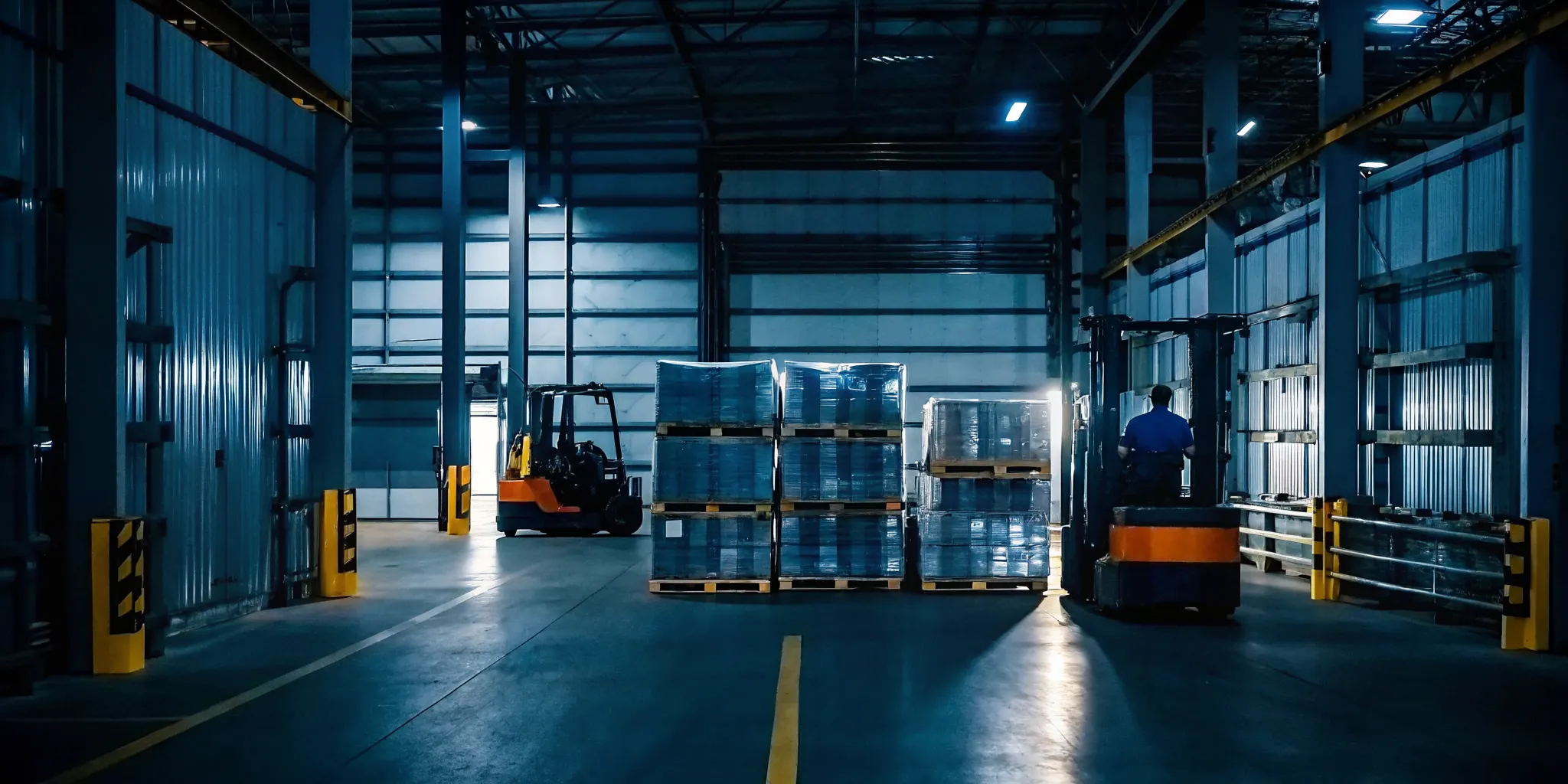
One of the biggest risks during a break in service is cargo damage. If freight stays on a truck or in an unsecured yard, it faces many threats. High heat or cold can ruin temperature-sensitive items. Rain and moisture can destroy dry goods and cardboard packaging. Using a secure warehouse helps you protect your stock from the elements and theft. This keeps your goods in proper condition until they can reach their final stop.
Maintaining Flow of Goods
Problems often break the link between your source and your buyer. Short term storage acts as a bridge to fill this gap. By keeping goods near your primary markets, you create a buffer that keeps orders moving while you resolve the underlying issue. This option lets you arrange re-delivery once your normal route is open again. It gives you the time to solve problems without losing sales or disappointing your clients.
Strategic Gains without Long-Term Commitments
Traditional leases require long stays and high costs. During a crisis, you need a solution that fits your exact needs without extra overhead. Short term storage lets you test new markets or handle one-time surges without a major expenditure. You only pay for the space you use for the time you need it. This lean approach helps you stay flexible and keeps your cash free for other parts of your operation.
Short Term Warehousing vs. Long Term Leasing: Which Is Right for Your Freight?
Choosing between short term warehousing and long term leasing depends on your current freight needs. Standard warehouse leases require multi-year commitments and fixed monthly payments. This model works well for stable, predictable inventory but creates high fixed costs. If your freight volume changes frequently, short term storage provides a more flexible path.
Commitment and Flexibility
Short term warehousing lets you store goods for days, weeks, or months without a long lease. This model is built for quick shifts in the supply chain. You can scale your space up or down as needed. Long term leases lock you into a fixed footprint. If your inventory drops, you still pay for the empty space.
- Assess your freight volume patterns. If your storage needs are consistent month over month, a long-term lease may work. If your volume spikes seasonally or unpredictably, choose short term warehousing.
- Calculate your total cost per pallet. Compare the per-pallet cost of on-demand storage against the fixed monthly cost of a leased facility, including utilities, labor, and insurance.
- Evaluate your geographic needs. If you serve multiple regions, a flexible network of short term facilities gives you local presence without building leases in every market.
Cost Efficiency for Emergency Needs
The cost model for on-demand storage is pay-for-use. You only pay for the actual pallet spots or floor space you use. This eliminates the risk of a fixed monthly lease. For emergency needs like rejected loads, short-term warehousing services act as a bridge. You can get space for just one night to keep your cargo safe while you resolve a paperwork error or coordinate an alternative delivery.
| Feature | Short Term Warehousing | Long Term Leasing |
|---|---|---|
| Commitment Length | Days, weeks, or months | Usually 3 to 5 years |
| Cost Model | Pay only for what you use | Fixed monthly rent |
| Scalability | Instant up or down scaling | Fixed size limits |
| Facility Location | Choose per load need | Fixed at one spot |
| Best Use Case | Emergencies and spikes | Stable storage needs |
Strategic Location Advantages
Using a flexible storage network lets you place freight near key logistics hubs. You do not have to invest in a building to gain a local presence. This helps with market testing or handling regional disruptions. When a shipment is stuck, getting it into temporary storage quickly stops the financial drain of an idle truck and helps maintain carrier relationships.
Industries and Scenarios That Benefit Most From Short Term Warehousing
Short term warehousing helps a wide range of logistics professionals. Some industries need it for seasonal swings, while others rely on it during sudden crises. Understanding when this service fits best helps you make the right decision for your freight.
Retail and Seasonal Peaks
Retailers face huge swings in freight volume around the holidays and during peak shopping seasons. A standard warehouse lease does not flex with these spikes. Short term storage lets retailers add space for November and December and release it in January. This keeps inventory near customers without paying for empty space during slower months.
Freight Brokers with Rejected or Delayed Loads
Freight brokers handle the fallout when a receiver rejects a load or a carrier misses a window. In these situations, the freight needs a safe home fast. Short term warehousing gives brokers a place to park pallets while they coordinate re-delivery services or work with the shipper on a new plan. Without this option, brokers would have to pay for an idle truck or send the freight back at a loss.
Manufacturing and Just-in-Time Buffers
Manufacturers that run just-in-time supply chains have very little room for error. A delay in raw materials can stop a production line. Short term storage near the factory provides a buffer that keeps the line running when a shipment arrives early or a supplier misses a delivery date. This small inventory cushion can prevent hours of expensive downtime.
Product Launches and Market Testing
When a company launches a new product, it often does not know how much demand to expect. Short term warehousing lets businesses test a new market without signing a long lease. They can store inventory in a regional hub, see how the product sells, and scale up or down based on actual results. This reduces the risk of being committed to a warehouse in a market that did not perform as expected.
Emergency Logistics and Disaster Recovery
Natural disasters, port strikes, and supply chain crises create urgent needs for temporary storage. Companies that have a relationship with a short term warehousing provider can reroute freight quickly when a crisis hits. The transloading services from We Fix Freight connect storage with the next mode of transport, making it easy to keep goods moving even when the normal route is blocked.
How We Fix Freight Delivers Emergency Short Term Warehousing Nationwide
We Fix Freight operates through a network of more than 150 service agents across the United States. This distributed model means there is almost always a facility near where your freight is stalled. Our short term warehousing is designed as a bridge solution, not a long-term storage program. It pairs with our other freight recovery services to get your cargo moving again as fast as possible.

24/7 Access When You Need It
Freight emergencies do not follow business hours. A rejected load can happen at 10 PM on a Sunday, and that is when you need storage the most. We Fix Freight provides 24/7 access to short term warehousing through our nationwide agent network. Whether you need space for one night or several weeks, we can match your shipment to a nearby facility with available capacity. Check our coverage map to see where our agents are located. Contact us now for immediate assistance.
Storage That Works With Other Services
The real value of short term warehousing from We Fix Freight is what happens next. Your freight is not just sitting on a shelf. When it is ready to move, our team coordinates the next step. This could mean cross-docking for a quick truck transfer, freight rework to fix damaged pallets, or re-delivery once the receiver is ready. This end-to-end approach keeps your shipment moving instead of getting stuck in a loop.
Climate Control and Security Options
Not all freight needs the same storage conditions. We Fix Freight offers climate-controlled space for temperature-sensitive goods and CCTV-secured facilities for high-value loads. These options are available in major freight markets including California, Texas, Illinois, Georgia, and the Mid-Atlantic region. Our agents handle loading, offloading, and inventory management so your goods stay organized and ready to ship when the time comes.
Transparent Standardized Pricing
Every short term warehousing arrangement from We Fix Freight follows our standardized pricing model. You get clear, upfront costs with no hidden fees. There are no surprise charges for early release or extended stays. This pricing consistency applies across our entire network, so you know what to expect whether your freight is stored in Atlanta or Los Angeles.
Frequently Asked Questions About Short Term Warehousing
What are the four main types of warehousing?
The four basic types are public warehousing (space rented from a third party by the month), private warehousing (company-owned facilities), contract warehousing (dedicated space with a long-term service agreement), and short term warehousing (flexible storage under 90 days with no long-term lease). Each type serves a different purpose depending on how stable your freight volume is.
How much does a temporary warehouse cost?
Temporary warehouse costs vary based on how much space you need, how long you need it, and where it is located. Unlike a fixed lease where you pay the same rate every month regardless of usage, short term warehousing charges apply only for the time and space you actually use. This pay-as-you-go model makes it more cost effective for emergency and seasonal needs.
What is considered short-term storage?
Short-term storage is generally defined as any freight storage period under 90 days. In practice, it can be as short as a single night when a load is rejected at the dock. Most providers, including We Fix Freight, offer flexible terms by the day, week, or month without a minimum commitment.
What is a temporary warehouse?
A temporary warehouse is a storage facility that offers flexible, short-term space for freight that needs a home during a disruption. Unlike a standard warehouse that requires a long lease, a temporary warehouse can accommodate goods for just a few days or weeks. These facilities are often part of a larger network that matches available space to current demand.
Ready to Secure Short Term Warehousing for Your Freight?
When a shipment stalls, every hour counts. Delays cost money, damage relationships, and create headaches that ripple through your entire supply chain. We Fix Freight provides short term warehousing across the United States with 24/7 access, no long-term commitment, and transparent pricing. Our network of over 150 agents is ready to help you find storage space near where your freight is sitting. Contact us now to get your cargo back on track.