


Rejected freight creates storage costs that drain the profit from a shipment. The decision between freight salvage vs disposal must happen quickly, but it must also account for cargo condition, recoverable value, customer requirements, and applicable rules.
Contact us now for 24/7 help evaluating damaged freight and coordinating the right next step.
Knowing how freight salvage vs disposal works is the first step toward saving money on any bad shipment. Salvage means getting back value from goods that are damaged but still sellable. Disposal is the act of destroying cargo that has no value left. Teams must weigh the cost of labor and rework against the price of destruction. According to the General Services Administration, claimants have a legal duty to protect damaged cargo to keep claims valid. Choosing salvage keeps products out of landfills and helps carriers get back some costs. Disposal is best only when cargo is unsafe or the fix is too high. This choice depends on a fast check that starts the moment a load is rejected.
Every refusal needs a close look at costs and cargo condition before anyone authorizes rework, salvage, or disposal. Final decisions depend on the shipment, customer requirements, and applicable rules.
Freight salvage vs disposal: the operational difference
Picking between freight salvage and disposal is a key step in handling cargo claims. Both paths deal with damaged goods, but they have varied goals. Salvage works to find value in the items. Disposal focuses on safe destruction. Most shippers must weigh the cost of each path before they act.
Defining salvage and rework
Freight salvage is the act of getting back some money from a damaged load. Experts look at the goods to see if they can sell them in other markets. For example, a food item with a dented box may not go to a store, but it might sell at a discount shop. This resale can cut net claim costs by about 50 percent. Many salvage buyers specialize in specific product types like electronics or dry goods.
Rework is a linked step that often comes before salvage. In this phase, crews might restack pallets or fix broken wrapping. If the goods are safe, they may stay in the main supply chain. If not, they move to the salvage market. This path helps firms fulfill their legal duty to mitigate losses by saving as much as they can.
Understanding freight disposal
Disposal is a paid service used when goods have no resale value. This often happens with risky waste or items that are unsafe for any use. Shippers pay a fee to have a team destroy the items and clear the site. This choice is final and leads to a full loss on the claim value. It is often the only safe path for items with expired dates or broken glass. Teams ensure that no part of the load poses a risk to the public.
When you pick this path, you need a proof of destruction. This paper is a salvage disposal report. It shows that the goods are gone and cannot enter the market again. This is a vital step for tax and insurance needs. It protects the brand by making sure low-quality items do not reach buyers.
The role of cargo triage
Speed is vital when making a choice. Most freight teams use a triage process in the first 24 to 48 hours. This quick check helps them see if the load can be saved. If they wait too long, goods may spoil or rot. That delay leads to higher costs for the shipper and carrier.
A team will check the goods and take photos for proof. They use these facts to decide if they should invest in rework. You can learn more about choosing between freight salvage and disposal to find the best fit for your load. Quick action helps keep total costs low and keeps the supply chain moving.
| Criteria | Freight Salvage | Freight Disposal |
|---|---|---|
| Primary Goal | Recover value | Destroy goods |
| Cost Impact | Reduces claim costs | Adds to total loss |
| Market Path | Other markets | Landfill or burning |
| Outcome | Keeps some value | Full destruction |
| Paperwork | Sales receipt | Disposal report |
What should happen immediately after cargo damage?
Finding damaged freight is a stressful moment for any broker or shipper. You must act fast to keep costs low and follow legal rules. Most people do not know that claimants have a legal duty to reduce losses by keeping the goods safe. If you just leave the load or toss it out, you might lose your right to a claim later. Taking the right steps now will save you time and money on the back end.
Why speed is key
The first few hours after a load is turned away are vital. You need to weigh freight salvage vs disposal quickly to save as much value as you can. Rapid triage in the first day or two helps you see if you can sell the goods or if they must be destroyed. Waiting too long can make the damage worse and lead to big fees for short-term storage. A fast choice can reduce your net costs by a large amount.
Steps to take right now
Follow these steps to protect your claim and your product. Taking the right path now makes the rest of the process much easier for all. It also ensures you meet the rules set by your insurance team. Use these freight salvage vs disposal options to make the best choice.
- Keep the cargo safe. Move the truck or trailer to a secure spot right away. Do not leave the goods where they can get more damage from rain, sun, heat, or theft. Keeping the load safe from more loss is a key part of your duty.
- Take many photos. Use your phone to get clear shots of the damage from every side. Include the trailer, the pallets, and the product itself. These photos serve as proof that helps you win your claim and get paid.
- Save all boxes and wraps. Do not throw away boxes, wraps, or straps. You must keep all items until the case is closed and the carrier tells you what to do with them.
- Separate the load. Move the items that look okay away from the ones that are broken. This stops any leaks or smells from ruining good product. It also helps you find the true value of the load faster.
- Call for help. Reach out to experts who can help you choose the best when to salvage damaged cargo to get the most value back.
Keep goods where they are
Do not ship or move the goods to a new city without a set plan. You should stay put until you get a clear plan from the carrier or the insurance team. Moving the load too soon can cause more harm and might void your insurance. It is best to wait for a full report before you make a final choice on what to do next. Stay in touch with your team to make sure you have all the facts before you move the truck.
How do logistics teams evaluate whether freight can be recovered?
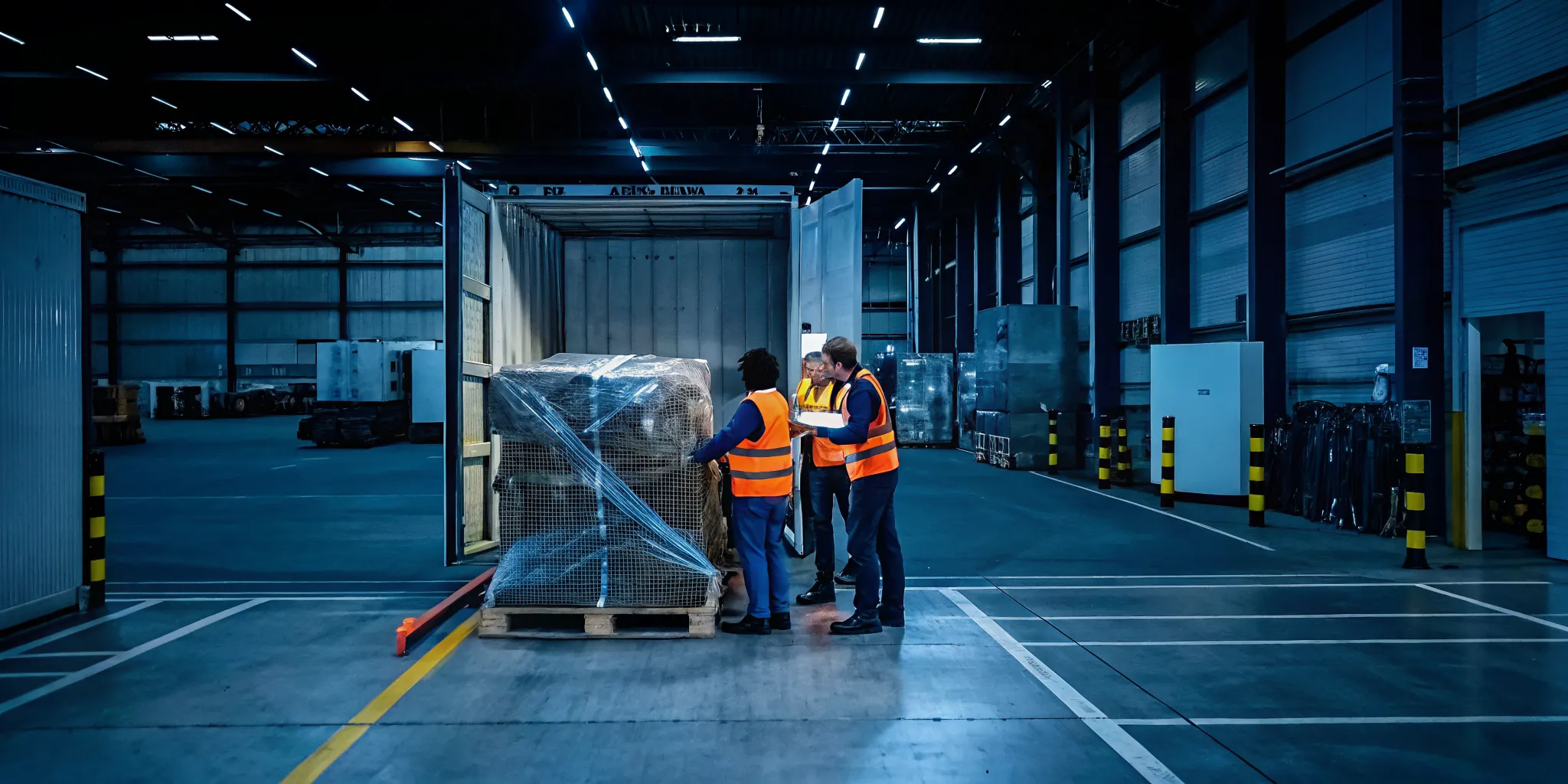
When a load shifts or arrives with damage, teams must act fast to save the value. The choice between choosing between freight salvage and disposal often starts with a quick check of the cargo. Experts look at the state of the goods to see what is still good and what is lost.
They check for leaks, dirt, or signs that the product is no longer safe to use. If the cargo is food or medicine, the rules are strict. Any hint of germs or bad air often means the load must be destroyed. For hard goods like tools or clothes, many items can be saved with a bit of effort.
Product safety and risk checks
The first step is to see if the goods still meet safety rules. Logistics teams check if the cargo was near heat, water, or pests during the trip. They also look at the labels on the cases. If the tags are missing or torn, it may be hard to prove what the items are.
This is a big deal for high-value freight that needs clear records. Rules from the General Services Administration say that shippers have a legal duty to lower losses. This means they must try to save the goods if they still have value. You cannot throw things away and ask for a full check if the items are still fit for use.
Packaging and brand look
Even if the product inside is fine, a crushed box can be a deal-breaker. Many big stores will not take goods in dirty or dented cartons. At this stage, teams weigh the cost of new boxes against the price of a total loss. They must also think about the brand name.
Some makers do not want their goods sold in discount shops or with damaged labels. If the brand owner will not allow a second sale, the freight moves from the salvage pile to the disposal bin. Logistics pros check the final stop for the goods to see if a simple repack can fix the issue. They look at the needs of the buyer to see what level of damage they will accept.
Recovery timing and labor costs
Time is a huge part of the freight salvage vs disposal choice. Most teams try to check a load within two days of the event. If the cargo sits on a dock too long, the fees for storage can get high. These extra costs can eat up all the money you would save.
Teams also look at how much work it takes to fix the load. If it takes many workers a long time to fix one pallet, the cost might be too high. Salvage pros find the net value by taking the sale price and taking away the cost of the work. If the math shows a win, they start the recovery to help the bottom line.
This process can include:
- Moving goods to new pallets to fix a lean.
- Sorting good items from broken ones.
- Cleaning boxes to remove dust or minor stains.
- Checking for hidden damage inside the cases.
These steps help teams decide if the freight can be saved or if it is time to let it go.
When freight rework can preserve a shipment
When a load shifts or gets damaged, you must decide between two paths. You can try to save what is left or you can scrap the whole thing. This choice is at the heart of the freight salvage vs disposal debate. Rework is the set of steps used to fix a load so it can still be sold or moved. It helps you save money and keep your brand strong in the eyes of your buyers.
Common rework paths for saving cargo
The first step in saving a load is a full check of the goods. Workers look at each item to see what is still good and what is broken. This process often includes sorting the items based on how they look and act. You must always follow the clear rules from the shipper during this phase to keep things right. Common paths to save a load include:
- Full check and sort of all goods.
- New labels for items when the shipper says it is okay.
- Restacking and repalletizing to make the load stable.
- Clearing items to make them ready for sale again.
Once the good items are found, they may need a restack. Workers place the items back on pallets in a safe way so they do not fall. This ensures the load is stable for the rest of the trip. Proper restacking prevents more harm while the truck is on the road. It is a key part of when to salvage damaged cargo instead of throwing it away. It turns a messy pile back into a clean shipment.
If the goods are food or medicine, the rules are even more strict. You might need to sort items by their lot codes or dates. This ensures that no bad items get mixed with the good ones. WeFixFreight knows how to handle these fine details to protect your brand and your bottom line.
Logistics solutions for shifted or rejected loads
Sometimes a load is sent back because it is not safe to unload. In these cases, you may need cross-docking or transloading. Cross-docking moves the items from one truck to another right away. Transloading is like that but may involve moving goods from a truck to a train or a storage spot. Both paths help get the freight back on track without a long wait at the gate.
If the new drop off spot is not ready, short-term storage can help. This gives you a safe place to keep the goods while you find a new buyer or wait for a new slot. It keeps the goods out of the sun and rain so they do not rot or rust. These shipping tools make it simple to choose salvage over disposal for most shifted loads that still have value.
A fast move can save a whole shipment from being lost. When a truck is stuck, every hour costs you money and goodwill. Using a cross-dock to fix a lean can get that driver back on the road in no time. It is a smart way to keep your supply chain moving when things go wrong.
Meeting your duty to mitigate loss
In the world of freight, you have a legal duty to keep losses low. You cannot just leave a damaged load if it still has value. U.S. rules state that you must protect damaged cargo from more harm or loss. This means using rework to save as much of the shipment as you can. It is not just a good idea; it is the law.
Taking photos of the load is also a vital step in this process. These pictures show just what went wrong and what was saved for the record. Good records help you settle a claim later with the claim team. By acting fast and using the right steps, you can cut your total costs by a large sum. It turns a crisis into a simple task that you can handle with ease.
WeFixFreight works with a large group of agents to help you with these tasks. With over 150 service agents across the country, help is always close by. This network allows for a 2-hour start time to begin the rework process fast. That speed is how you save a load instead of losing it all.
When responsible product disposal is the right path
Some freight issues cannot be fixed with simple re-work. When a load is hit by a bad crash or extreme weather, you must choose how to move forward. This is the core of the freight salvage vs disposal debate. Salvage tries to find a new buyer for the goods. Disposal is the process of destroying items that are no longer fit for use. Knowing when to stop trying to save a load and start the disposal process is key for any logistics team.
Why some goods must be destroyed
Many times, the choice is made for you by safety rules or brand needs. For example, food items with broken seals often cannot be salvaged. Even if the food looks fine, the risk of harm is too high. In these cases, you must use product disposal to keep the public safe. Shippers often require this to protect their name and to stay in line with health laws.
You should also look at the cost of the work. If it costs more to fix and sell the goods than they are worth, disposal is the best path. This often happens with low-cost items that are heavy or hard to move. You must also think about your legal duty to mitigate losses. If saving the goods will cost you more than the loss itself, you have a solid case for full disposal.
Following rules and needs
When you choose disposal, you must follow all local and federal rules. This is not just about being green. It is about staying within the law. Many types of freight, like chemicals or batteries, need special care when they are thrown away. If you do not follow these rules, you could face big fines. It is best to work with a team that knows the rules for each type of cargo.
You must also follow the specific needs of the customer. Some brands want to see their goods destroyed so they do not end up on the gray market. They may send a person to watch the process or ask for a video of it. This ensures that no one can buy their goods at a deep discount elsewhere. This kind of emergency freight rework help ensures every part of the load is handled as the owner wants.
The importance of a paper trail
A paper trail is the most important part of the disposal process. You need a full record of what happened to the goods. This starts with a clear chain of custody. You should know exactly who had the load at each step. This keeps the process honest and clear for everyone involved. Without this trail, you may have a hard time with your insurance claim.
You will need a final report to prove the work was done. This paper is often called a salvage disposal report. It lists what was destroyed, when it was done, and how it was done. This report is vital for your tax records and for closing out your claim. You should also keep all packaging and photos as proof. These pieces of evidence show that you took every step to handle the loss in the right way.
How to coordinate a faster damage response
A fast response is the best way to keep costs low when freight gets damaged. Shippers and carriers must act quickly to stop a bad situation from getting worse. WeFixFreight uses a large network of over 150 agents to help you find a fix in any city. Getting help fast allows you to make a smart choice between freight salvage vs disposal before the goods lose more value.
Triage and document the damage
The first 24 to 48 hours are the most important for saving a load. You must look at the goods and take many clear photos of the damage. This evidence helps you get a better result when you file a claim. You must also protect the cargo from more loss while you wait for a plan. If you do not keep the damaged goods and the original boxes, your claim might be denied. Knowing when to salvage damaged cargo is easier when you have good proof of the state of the load.
Compare freight salvage vs disposal costs
You have a legal duty to keep the loss as small as possible. This often means trying to sell the goods for parts or at a lower price instead of throwing them away. Salvage can help you recover some money for the damaged goods. In many cases, salvage can cut your total loss by half when you compare it to the cost of a full disposal. If the goods have no value left, you will need a report to prove they were destroyed for tax and insurance reasons.
Send out clear approvals
To move fast, every team member must know their role. Brokers and 3PLs need to talk to the shipper and carrier to get quick okays for rework or transloading. WeFixFreight helps by giving you clear and fair prices with no surprises. This makes it easy to get approvals so you can get the truck back on the road. When you are choosing between freight salvage and disposal, having a team that responds 24/7 is a big help for your bottom line.
A practical framework for the final decision
Making the final choice between freight salvage vs disposal options depends on many factors. You must think about safety first. If the goods are dangerous or pose a health risk, disposal is often the only path. For other goods, the choice comes down to the net cost and legal rules. You have a legal duty to mitigate losses by keeping damaged freight that still has value. Abandoning goods that could be sold may lead to a denied claim.
Check the market value
The first step in your framework is to find out if the goods have residual value. Salvage specialists look at other markets to find buyers. These buyers might pay about half of the original price for downgraded items. If you can sell the goods, you reduce the net claim amount. This amount is the original value minus the money you get from the sale. Choosing choosing between freight salvage and disposal early can save money. In some cases, salvage reduces net costs by 50% compared to full disposal.
Think about time and costs
Timing is critical when a load is stuck. You should check the cargo within 24 to 48 hours to find the best path. If you wait too long, the cargo might get worse. This is very true for food or other items that can spoil. You also need to look at the costs of each choice. Disposal is a paid service where you pay to destroy the goods. Salvage is a way to get money back. You must weigh the cost of moving and storing the goods against the possible sale price.
Follow rules and keep records
Every final decision needs good records for insurance and tax reasons. If you choose disposal, you need a salvage disposal report. This paper proves that you destroyed the cargo. You must also keep all packaging and damaged goods until the claim is settled. Do not move or throw away anything until you are told to do so. Good photos of the damage also help your case. They make it more likely that you will get a fair outcome from your claim.
Frequently Asked Questions
What is the difference between freight salvage and disposal?
Freight salvage is the act of getting back some value from cargo that was damaged. This often involves selling the goods in a secondary market. On the other hand, disposal is a service where you pay to have unsellable goods destroyed. According to We Fix Freight, salvage helps recover money while disposal is about safe destruction. Choosing between them depends on if the goods still have any market value left after the damage occurs.
When should cargo be salvaged instead of disposed of?
You should choose salvage when the goods still have some value and the cost to recover them is low. If the price you can get from a sale is higher than the cost to fix or move the load, salvage is the better path. It can reduce the net loss when the value recovered exceeds the combined cost of sorting, rework, transport, and storage. Teams should act fast to decide. A quick check in the first two days helps find the best way to save money.
Does a claimant have a legal duty to mitigate freight loss?
Yes. People who make a claim must try to keep the loss as small as possible. This means you cannot just throw away damaged goods if they still have value. You must protect the cargo from more harm until the claim is settled. According to the GSA, you should also keep all packaging. If you do not try to save what you can, the carrier might refuse to pay your claim.
How is the net freight claim amount calculated after salvage?
The net claim amount is the original value of the goods minus the money you get back from salvage. For example, if you sell damaged goods for a small price, that amount is taken out of your total claim. This process ensures that you only get paid for the real loss you faced. Using professional services can help you get the best salvage price. This lowers the final claim and helps resolve the case much faster.
Ready to fix your damaged freight and save your load right now?
Every hour your goods sit on a dock adds risk to your bottom line. You face high fines and lost trust from clients if the freight stays stuck. If you do not act now, you might lose the whole load or pay for waste. When you start the rework today, you save your items and keep trucks moving. Our team helps you turn a crisis into a win in just a few hours. We fix the issues fast so you can stay on track with your work goals. Our pros are ready to help you save the load and keep your fleet in use.
Ready to get back on the road? Call 1-855-493-3435 or contact us now for urgent freight damage response.