


A single shifted load can halt a commercial truck, disrupt warehouse schedules, and cause expensive delays. When you open a trailer door and see unstable cargo, you face an immediate and dangerous logistics crisis.
Contact us now for qualified on-site help with a leaning or shifted pallet load.
Leaning pallets inside a freight trailer are cargo loads that have shifted or tilted during transit, creating a risk of product damage and worker injury. To handle them more safely, secure the trailer, restrict access, open doors cautiously, and do not try to catch falling freight. OSHA’s material-handling standard, 29 CFR 1910.176, says stored materials must be secured against sliding and collapse and that aisles and passageways must remain clear. For a severe or unstable load, an emergency pallet restack service can coordinate qualified on-site help to assess, stabilize, and rework the freight before it moves again.
Understanding the risks is the first step toward securing your shipment. The next step is to recognize the hazards that unstable loads can bring to your loading dock and prepare the right response.
The Hidden Dangers of Leaning Pallets in a Freight Trailer
Leaning Pallets Dangers: Leaning pallets in a freight trailer can shift or fall, damage product, and create struck-by hazards. Keep people clear of the area and do not attempt to catch or manually steady unstable freight.
When cargo has shifted inside a closed trailer, opening the doors can expose the dock to unstable freight. Restrict access, open the doors cautiously from a safe position, and pause work until the load can be assessed.
Why loads can shift
Road vibration, turns, and braking can move cargo when wrapping or other securement is inadequate, weight is unevenly distributed, a pallet is damaged, or cartons are not adequately supported. These conditions can cause pallets to tilt and lean during transit.
Protecting workers around unstable freight
Workers should not attempt to catch, push, or manually steady falling cargo. Keep the area clear and request qualified help when the load cannot be assessed or handled safely by the local team.
Regulatory safety boundaries
Use OSHA 29 CFR 1910.176 as a safety reference alongside facility procedures and qualified site personnel. The standard addresses clear aisles and passageways and stable storage that is secured against sliding or collapse.
Why Pallets Shift and Lean During Transit
Causes of Pallet Shifts: Pallets shift and lean during transit due to improper wrapping, uneven weight, and sudden braking. When these weak points encounter road vibrations, cargo loses stability and stacks tilt.
Preventing cargo damage requires understanding why loads lose their stability during transit. When cargo shifts, it is rarely due to a single isolated event. Instead, it is typically the result of several contributing factors working together to undermine the stack.
The primary mechanics of load shifts
As a commercial truck travels across the country, it encounters constant physical forces. If the cargo is not unitized properly, these forces will find any weak point in the stack. Carton size, vertical alignment, and strapping strength all play critical roles in keeping the shipment stable. When any of these elements fail, the load will shift, causing the pallets to tilt and lean against the trailer walls.
Comparing the causes of pallet failures
To help warehouse managers and logistics coordinators prevent these crises, we have compared four common causes of pallet failures on trucks. Each cause has a distinct physical mechanism and requires a specific prevention strategy.
| Failure Cause | Primary Mechanism | Risk to Cargo | Prevention Strategy |
|---|---|---|---|
| Poor Wrapping | Inadequate stretch wrap tension allows cartons to slide. | Boxes separate from the stack and tilt outward. | Apply appropriate wrap with adequate containment. |
| Uneven Weight | Heavier items placed on top of lighter items can create a top-heavy load. | Lower boxes can compress under weight, causing the stack to lean. | Stack heavier items lower and distribute weight evenly. |
| Improper Pallet | Weak, damaged, or undersized pallets can reduce load stability. | Deck boards can fracture under pressure and affect the load. | Inspect pallets and use pallets in good repair. |
| Aggressive Braking | Sudden deceleration can move unsecured pallets forward. | Pallets can collide and interlock inside the trailer. | Use appropriate load securement for the shipment. |
A proactive approach to load stability
Recognizing these causes helps warehouse teams take action before the trailer door is closed. If you notice a load starting to shift at your dock, pause the work, isolate the area, and request qualified help when the local team cannot handle the load safely.
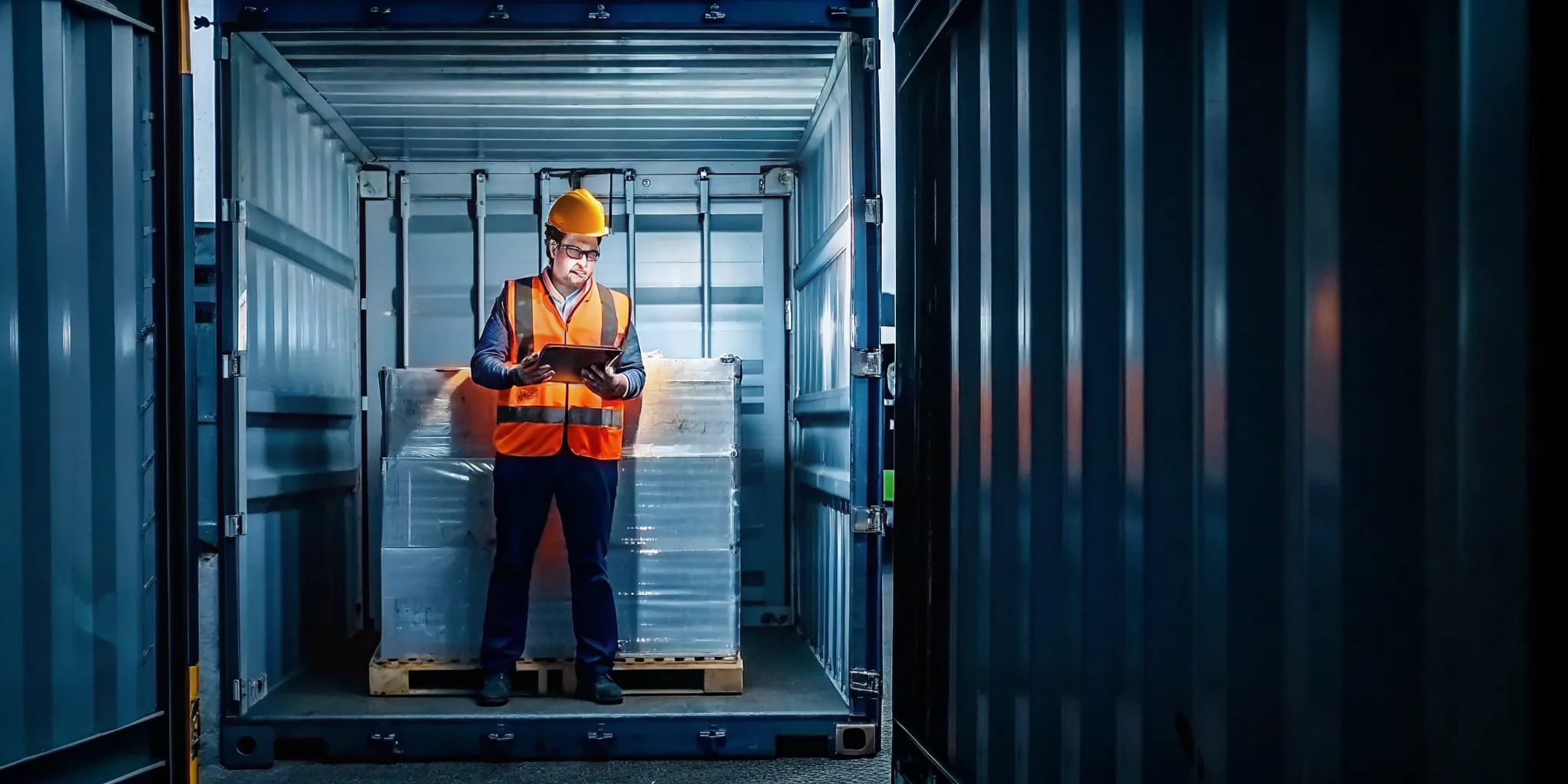
How to Safely Handle Leaning Pallets: A Step-by-Step Guide
A leaning pallet is a stop-and-assess situation. The goal is to keep people away from unstable freight, give the response team accurate information, and avoid turning a contained load shift into a larger cargo or delivery problem.
- Stop movement and secure the area. Follow the facility’s trailer and dock procedures. Set the vehicle’s brakes, use the required wheel restraints, and pause loading or unloading activity until the area is controlled.
- Isolate the leaning load. Keep drivers, dock workers, and bystanders clear. Open the trailer only from a safe position and only as far as facility procedures allow. Do not stand in the path of falling freight.
- Do not catch, push, or manually steady falling cargo. Observe the load from a safe position. Do not enter the trailer or operate material-handling equipment unless you are trained, authorized, and the load has been assessed as suitable for that operation.
- Request qualified on-site help. Contact an emergency pallet restack service when the load is unstable, interlocked, damaged, blocking a delivery, or beyond the capacity of the local team. A professional response can assess the freight and coordinate the appropriate rework, restacking, pallet replacement, rewrapping, or related service.
- Prepare the rework information. Share the exact freight location, trailer or load reference, product type, visible condition, number of affected pallets, delivery deadline, receiver requirements, and any photos that can be taken safely. This helps the response team identify resources and coordinate the next step.
- Release the load only after the response is complete. Keep the shipment on hold until the qualified team and responsible site personnel agree that the freight is ready for the next transportation or receiving step. Record the work completed and any remaining handling instructions.
What OSHA 1910.176 Covers for Material Handling
OSHA 29 CFR 1910.176 addresses general material handling and storage. It calls for safe clearances where mechanical handling equipment is used, including aisles, loading docks, doorways, and turns. It also requires aisles and passageways to remain clear and in good repair.
For stored materials, the standard says that bags, containers, and bundles in tiers must be stacked, blocked, interlocked, and limited in height so they remain stable and secure against sliding or collapse. These principles are relevant when a load has shifted in transit or a pallet is leaning at a dock.
Use the standard as a safety reference alongside your facility procedures and qualified site personnel. If a leaning load cannot be assessed and handled safely by the local team, pause the work and request professional freight rework support.
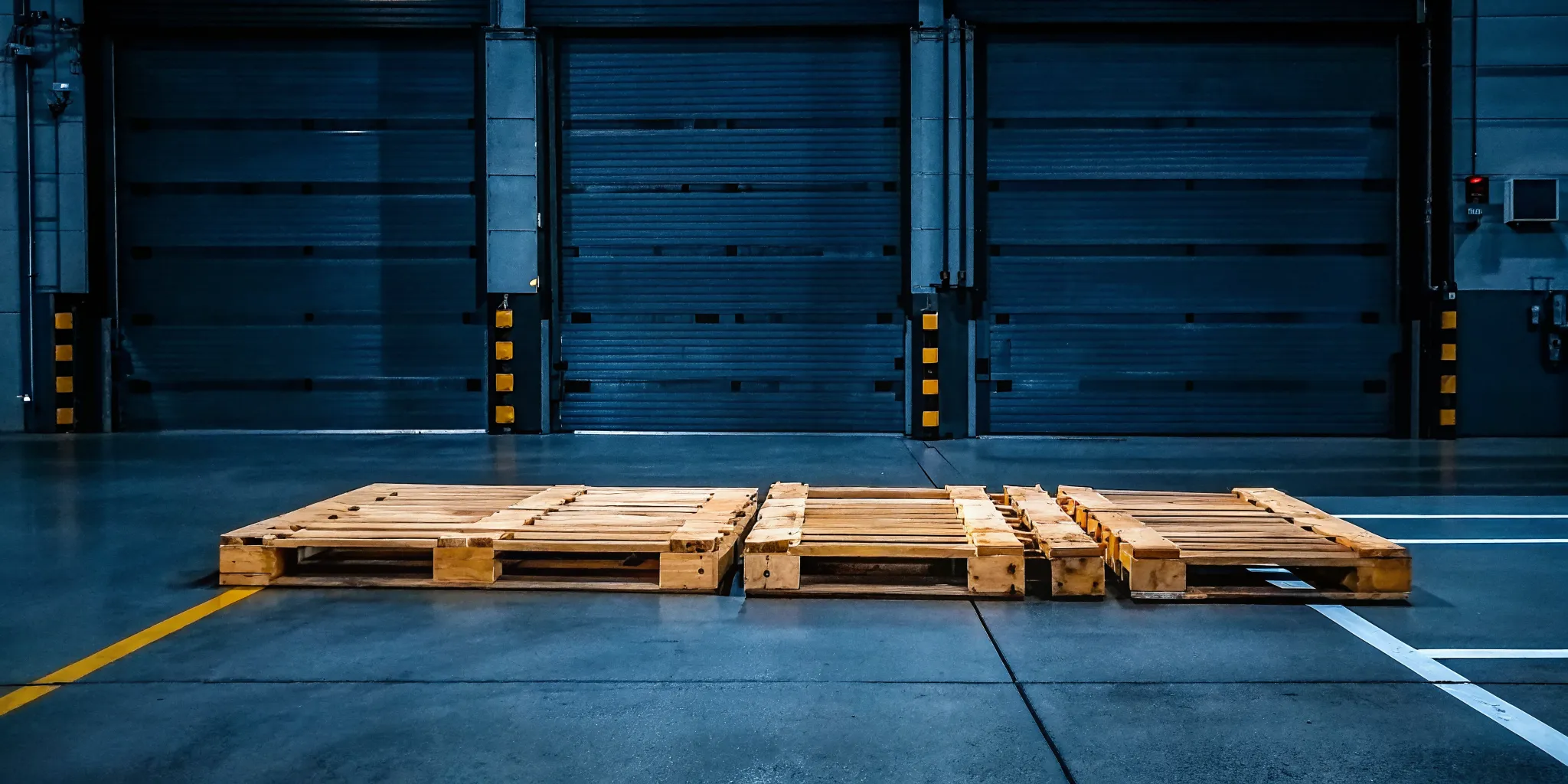
The Real Cost of Improper Pallet Remediation
Cost of Poor Remediation: Unplanned pallet rework can interrupt delivery schedules, increase coordination work, and expose people or product to avoidable risk. A measured response helps the team document the load condition and determine the appropriate next step.
Workers should not attempt to catch or manually steady falling cargo. Keep the area clear and request qualified help when the load cannot be assessed or handled safely by the local team.
Use the OSHA standard and your facility procedures as safety references. If the load is unstable or the local team cannot safely continue, pause the work and request professional freight rework support.
Frequently Asked Questions About Pallet Stacking and Safety
Why are leaning pallets unsafe in a warehouse?
Leaning pallets can fall, damage product, or expose workers to struck-by hazards. Keep people clear of the area, do not catch or manually steady falling freight, and request qualified help when the load cannot be assessed safely.
Can I lean empty pallets against a wall?
Do not store empty pallets where they can tip into a walkway or work area. Follow your facility’s procedures for stable, level storage in a designated area.
How should empty pallets be stored to prevent tipping?
Store empty pallets flat, stable, and in the designated storage area for your facility. Keep aisles and passageways clear so people and material-handling equipment can move safely.
What causes loaded pallets to start leaning?
Loaded pallets can lean when wrapping or other securement is inadequate, weight is unevenly distributed, a pallet is damaged, or road vibration, turning, and braking cause the load to shift.
How do you safely fix a leaning pallet of freight?
Secure the area, isolate the load, and do not catch, push, or manually steady falling freight. Do not enter the trailer or operate equipment unless you are trained and authorized and the load has been assessed as suitable. Request an emergency pallet restack service when the local team cannot handle the load safely.
What does OSHA 1910.176 say about stable material storage?
OSHA 29 CFR 1910.176 says that bags, containers, and bundles stored in tiers must be stacked, blocked, interlocked, and limited in height so they remain stable and secure against sliding or collapse. Follow the standard alongside your facility procedures and qualified site personnel.
Get Professional Pallet Services Today
We Fix Freight provides 24/7 nationwide emergency freight response through a network of more than 150 service agents. Contact the team with the load location and condition so the next available response can be coordinated.