


A single delayed rail car can stop a whole supply chain and cost thousands in lost time. Quick movement from rail to road is the best way to avoid late fees and keep goods moving.
Contact us now to get your freight back on the road today.
Rail to truck transloading is the process of moving freight from a train car to a semi-trailer to complete a delivery. This method allows shippers to use the low cost of rail for long trips while still reaching doors that do not have track access. It is a vital tool for intermodal shippers who need to stay flexible when rail lines end or when delays occur. According to the Bureau of Transportation Statistics, these sites help reduce road traffic and lower freight costs for shipping firms. Using a transload site can help you avoid long wait times and high fees from rail yards. We are a nationwide leader in these services and we help you get your freight back on the road fast.
You need to know how this process works to keep your supply chain running smoothly and save your business both time and money. Knowing these basics is the first step to making better shipping choices and learning What Is Rail to Truck Transloading? The path begins with
What Is Rail to Truck Transloading?
Rail to truck transloading is a key part of modern shipping. It is the way to move goods from railcars right into trucks. This method lets firms use the low cost of rail for long trips but reach final stops by road. Many times, a shipper may not have a rail line at their site. They must use trucks to move the load to the end point. This change in how goods travel keeps the supply chain fast.
At its heart, this process acts as a link in the shipping chain. It is useful for heavy loads that travel across the land. We provide 24/7 help for these needs through our emergency transloading services. When a railcar reaches a yard, teams move the cargo to waiting trucks. This step must be smooth to avoid high costs or lost time. Our network of more than 150 agents helps make this happen in all parts of the United States.
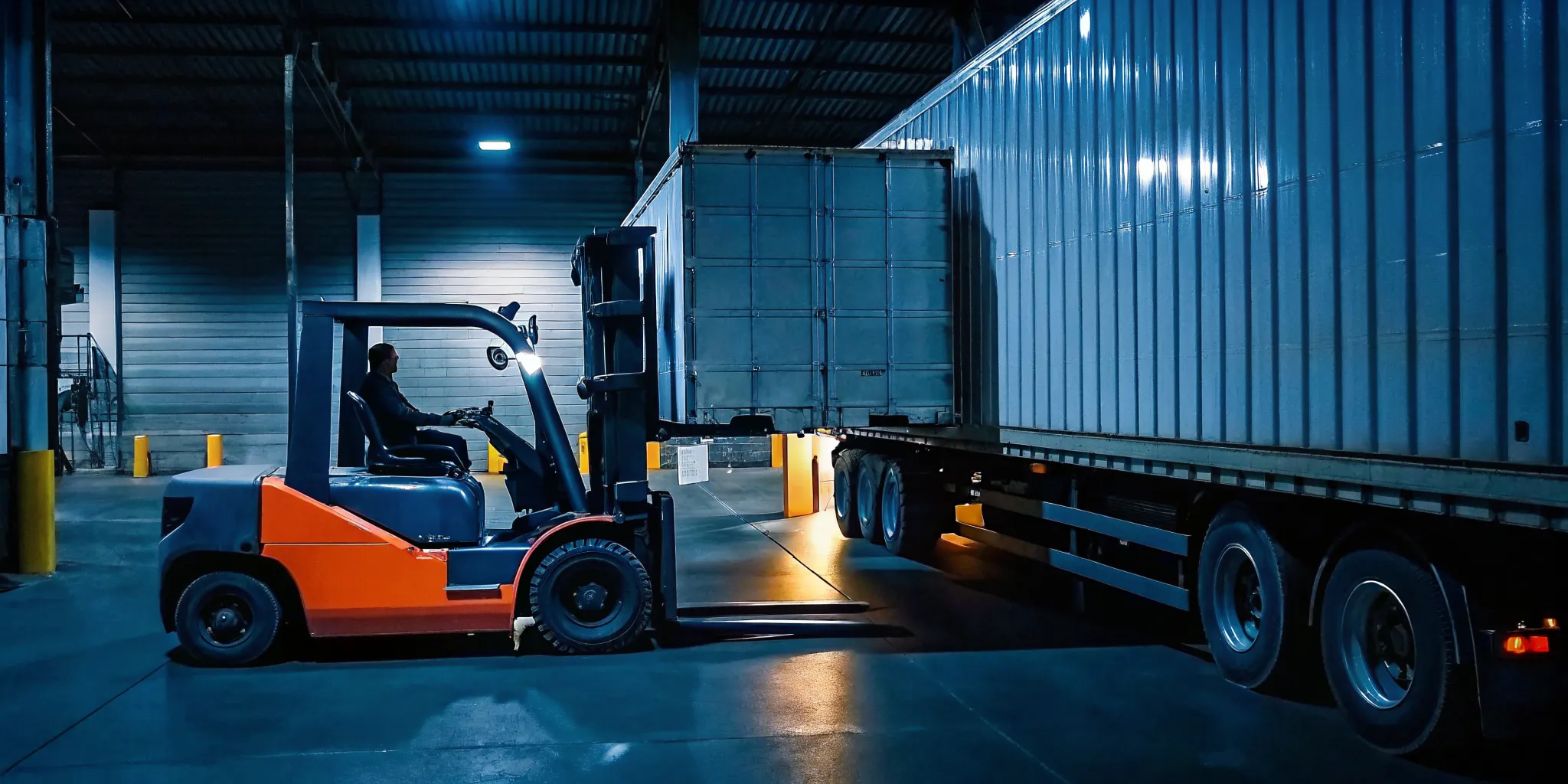
Bridging the gap in shipping
Moving freight through different ways is called multi-mode shipping. Rail to truck transloading fills the gap between these two systems. Federal reports show that transloading bridges the gap between rail and truck by letting firms move freight between these two modes. This link is vital for firms that want to save money. Rail is often cheaper for big loads, but trucks are better for the last mile of the trip.
Shippers often face issues if a load shifts or if a railcar has a problem. We offer rail remediation and intermodal support to fix these issues right away. This keeps the goods safe and ready for the truck to take them to their final spot. Our team focuses on fast work to ensure that freight moves from the rail line to the highway without a long wait.
Cost and public benefits
There are many reasons to use rail to truck transloading. One big goal is to save money on shipping costs. Moving lots of cargo by rail is much cheaper than using long trucks for the whole trip. Public data shows that rail transload sites can reduce highway truck traffic and jams. This provides both money and nature benefits. Fewer trucks on the road mean less wear on roads and fewer traffic jams.
Solving cargo crises
This method also helps you solve cargo crises. A load might shift during the trip, making it unsafe to stay on the railcar. When these problems happen, you need a team that can move the cargo fast to save time. We work with brokers and carriers to solve these tough issues. Our team provides clear pricing for every job. If you need help now, you should contact us now to get a quote and start the process. Our proven crisis response is demonstrated through major emergency resolutions. For instance, during a severe heatwave, WeFixFreight successfully managed an urgent request for InBev. Approximately 20 loads of beer and soft drinks were at risk of spoiling due to hasty loading and high temperatures. Our dispatch team mobilized immediately, coordinating our network of service agents to stabilize, rework. And transload all 20 loads within 48 hours across multiple states, completely averting a costly logistics disaster.
When Do You Need Rail-to-Truck Transloading Services?
Logistics experts face many tests when moving goods across the United States. You may find that your load needs to move from a railcar to a truck for many reasons. Often, this change is not planned but happens due to a crisis that puts your plan at risk. Quick emergency transloading services help you fix these problems and get your goods moving again.
Handling cargo shifts and damaged loads
Cargo can shift inside a railcar during long trips. When pallets tilt or fall over, they become unsafe to move or unload at the final stop. You might also find that items have broken due to poor packing or rough rail travel. In these cases, you need a team to go to the rail yard and fix the mess. We move the goods to a truck so they are safe and ready for the next leg of the trip.
Rail to truck transloading helps shipping firms reduce freight costs by fixing issues before they lead to big fees. Our network of more than 150 service agents can reach most sites in the country. We work fast to restack pallets and secure the load. This step keeps your costs low and helps you avoid fines for late deliveries.
Solving line delays and railcar issues
Sometimes the rail line itself has a problem. A track may close or a train could break down. If your freight is stuck on a stranded railcar, you cannot wait for the tracks to clear. You must get the goods onto the road right away to meet your goals. This is a key part of the rail freight remediation process that keeps supply chains moving.
You also need this service when your cargo must go to a site that rail lines do not reach. A truck can go where a train cannot. By moving your load from a railcar to a truck, you gain the freedom to deliver to any door in the nation. We are available 24/7 to help you make this shift without losing time.
Meeting local delivery demands
A railcar holds a large amount of goods. Most local shops or small hubs cannot take a full train load at once. You may need to split the big rail load into some truck loads for final delivery. This method lets you serve many customers from one large rail shipment. It makes your logistics flow better and keeps your clients happy.
We provide rapid response for all your rail freight remediation process needs. Our team ensures that each truck is packed well for the road. We use clear and fair pricing for every job we do. Contact us now to see how we can help you get your freight back on the road today.
The Rail to Truck Transloading Process Step-by-Step
Rail to truck transloading is a key part of modern freight moves. It allows teams to shift cargo from railcars to trucks with ease. This work helps firms save money on transport costs and makes local supply chains better. Many firms use this method to keep goods moving when tracks do not reach the final stop. Using a rail to truck transloading plan helps businesses stay ready for anything.
Planning for the railcar arrival
Before the railcar arrives, the team must plan each detail. They check the type of cargo and the tools needed for the job. Safe work starts with a clear map of the move. Success in rail to truck transloading depends on a smooth flow from the start. Teams often need to check the rail site for access and space for the trucks.
Expert teams use a supply chain network plan to find the best way to move freight. This helps them cut costs and speed up the work. They also prepare the offload site to handle the weight and size of the goods. This step ensures the cargo stays safe during the first part of the transfer. Planning prevents simple mistakes that could cause long delays or damage to the goods.
The step by step transloading flow
The core of the work happens once the railcar is in place. Teams follow a set path to move goods to the waiting trucks. This path keeps the cargo safe and keeps the schedule on track. The rail freight remediation process often starts with these main steps. Each step must be done with care to keep the freight in top shape.
- The team brings the railcar to the offload station. They lock the car in place so it does not move during the work. This keeps the crew and the cargo safe from sudden shifts.
- Safety experts check the railcar seals and the state of the cargo. They look for any signs of damage or shifts that happened on the tracks. This check is vital for the records of the shipper.
- Workers open the railcar doors and set up the ramps or conveyors. They use tools like forklifts or cranes to start the offloading work. These machines help move heavy loads without a lot of hard hand work.
- The crew moves the freight from the railcar to a staging area or right onto a truck. This process can also include blending or storage if the truck is not ready. Having these options is a big plus for rail to truck transloading.
- Loaders place the cargo into the OTR trailers with care. They spread the weight to meet road safety rules and prevent shifts. A well balanced truck is safer to drive on the highway.
- The team secures the load with straps or bracing. They check the truck one last time to make sure it is ready to hit the road. The driver also does a final check of the freight before leaving.
Moving the freight to the road
Once the truck is loaded, the final steps begin. The team records the move and checks all the records. This ensures that every pallet and box is in the right place. Good records help everyone stay on the same page. It also helps with tracking the cargo as it moves to its final stop.
Expert emergency transloading services are vital when cargo needs to move fast. These services help when a railcar gets stuck or when a load needs a new truck right away. The goal is to get the freight back on the road without any long delays. By following these steps, teams can move any type of goods from the rail to the truck in a safe way. This process keeps the supply chain moving.
Key Differentiators: Rail vs. Truck Freight Efficiency
Moving goods across the country involves choosing the right mode of transport. Rail and trucks are the two main ways to move large loads. Each method has its own strengths and weaknesses. Shipping firms must look at speed, cost, and capacity when they plan their routes. Using both rail and trucks through professional rail to truck transloading can help balance these needs. WeFixFreight works with a network of over 150 agents to manage these complex moves.
Comparing Capacity and Speed
Rail transport is best for moving huge amounts of freight over long distances. One train can carry as much cargo as hundreds of trucks. This makes rail a great choice for bulk items like grain or coal. But trains are slower than trucks and follow fixed paths. They can only go where tracks exist. This limits their reach to rail yards and hubs. You must use other ways to get the goods to the final stop.
Trucks offer more speed and more choice. A truck can go from a warehouse door straight to its goal. They can change routes to avoid traffic or road work. This makes them ideal for short trips and time sensitive loads. But trucks carry much less than trains. Using more trucks means more drivers and more fuel for each ton of cargo. For many firms, the best path is to use rail for the long haul and trucks for the last few miles.
| Feature. | Rail Freight. | Truck Freight. |
|---|---|---|
| Capacity. | Very high per unit. | Lower per unit. |
| Speed. | Slower over long trips. | Faster for short trips. |
| Flexibility. | Fixed tracks only. | Door to door service. |
| Fuel Use. | Lower per ton mile. | Higher per ton mile. |
| Route Options. | Set by rail lines. | Many road choices. |
Cost Reductions and Public Benefits
Cost is a major factor in freight choices. Rail is often cheaper for long hauls because it is more fuel efficient. This helps shipping firms keep their prices low. Using rail also helps the public by taking big vehicles off the roads. Rail to truck transloading helps shipping firms reduce freight costs while providing public benefits through reduced traffic congestion.
Fewer trucks on the road mean less wear and tear on highways. It also leads to fewer traffic jams for other drivers. The government often supports rail projects for these reasons. By moving heavy loads by rail, companies can save money and help the local area at the same time. This creates a win for both the business and the people. Using rail can also be a safer way to move some types of cargo over many miles.
The Role of Rail to Truck Transloading
Often, a load needs both rail and trucks to reach its end point. This is where rail remediation and intermodal support and transloading come into play. Transloading is the process of moving goods from one mode to another. It bridges the gap between the high capacity of rail and the last mile reach of trucks. This method is common at ports and rail hubs where cargo must change hands.
When a rail car cannot reach a site, the cargo must move to a truck. This step must be fast to avoid delays. WeFixFreight helps by sending expert crews to handle the transfer. This ensures that the goods keep moving without a hitch. Proper transloading makes the whole supply chain work better. It allows firms to get the best parts of both rail and truck transport. Without these services, moving goods between rail and road would be much harder.
Overcoming Common Intermodal Shipping Crises with Rapid Remediation
Rapid response for rail and truck crises
Intermodal shipping moves goods across long distances. This method uses both rail and truck transport to reach final spots. But things can go wrong during the move. A load may shift in a rail car. Or a train might get stuck. These events lead to high costs and late trips. You need a team that acts fast. WeFixFreight gives you a fast way to solve these issues. Our team runs 24/7 to find help for your freight. We use over 150 agents across the country. This means we can reach your load in any state.
We focus on rapid rail freight remediation to get your cargo moving again. Our agents do not just look at the problem. They fix it on the spot. We can restack pallets or fix broken loads right where they are. This help stops small delays from becoming big losses. You do not have to wait for days to get a plan. We start the work right away so you can stay on track.
Benefits of rail to truck transloading
Many shippers use rail to truck transloading to save money on freight costs. This process moves goods from rail cars onto trucks for local delivery. It helps bridge the gap between heavy rail lines and the final shop or warehouse. Using rail for the long haul is cheap. But trucks are better for the last leg of the trip. This mix helps companies keep their prices low. It also helps the public by cutting down on road traffic.
Our emergency transloading services focus on speed. We do not require long term storage. Our goal is to move the load to a truck as fast as we can. This cuts down on the time your freight sits idle. We use the right tools to handle all cargo. This includes food goods and heavy items. Our agents know how to work with rail yards to get the job done right.
Fast fixes for load shifts
Rail cars can hold a lot of weight. If a load shifts, it can be hard to fix. You might find that rework is needed at your location to deal with a leaning or fallen load. Our crew provides professional load adjustment for transloaded freight right at your location. They use specialized tools to restock and repile your items. This work is done with clear prices and no hidden fees. You get a quote that stays the same. This helps you plan your costs without shocks.
Our agents handle many tasks to help your rail cargo:
- Restacking leaning pallets.
- Fixing fallen loads.
- Moving items to new trucks.
- Checking for cargo damage.
Our 24/7 dispatch team is always ready to take your call. We know that freight crises do not happen only during the day. That is why we stay open all night too. We can start a fix for a rail car at any hour. This constant care helps you meet your deadlines. It also keeps your customers happy. When you need help now, we are the ones to call. We will find the nearest agent to solve your rail car crisis at once.
Selecting the Right Transloading Partner for Your Fleet
Picking a good partner for your cargo is a vital step in your supply chain. When you need to move goods between trains and trucks, the process must be smooth and fast. This rail to truck transloading bridges the gap between two ways to ship freight. It can also help to lower the cost of moving your goods across the country. A strong partner will make sure your load stays on schedule even when problems arise. They will handle your cargo with care and move it to the next truck without any delay.
Constant help and fast response
In the world of freight, a crisis can happen at any hour of the day. You may have a load that is stuck or a rail car that needs to be cleared fast. This is why you must find a team that gives help all day and all night. You need to know that you can reach someone at three in the morning just as easily as at noon. Our team offers emergency transloading services every day of the year. We know that every minute your freight sits still is a minute of lost money. A partner that responds in real time will help you keep your promises to your own customers.
A broad network across the country
Your freight moves through many states and cities. A local partner might help in one spot, but you need a team that can help you anywhere. You should look for a partner with a large group of service agents. We use a team of more than 150 agents spread across the United States. This means we can reach your load fast, no matter where it is parked. A partner with a big network offers many benefits:
- They reach remote spots where trains might stop.
- They have the tools and staff to handle jobs on site.
- They can move goods from rail cars to trucks without delay.
- They know the local roads and rules in every state.
Having a wide reach is key for rail freight remediation when a train stops in a remote area. A team with a big reach will have the right gear for your job. They can reach your load and fix the problem before it gets worse.
Clear and fair pricing models
The cost of freight services should not be a secret. When you are in a rush, you do not want to worry about hidden fees or price hikes. You need a partner that is open about what you will pay. We offer clear, quote-based pricing that is fair for all our clients.
You will get a price that matches the work that needs to be done. This helps you plan your budget even in the middle of a crisis. A good partner will give you a quote that is easy to read. They will not add extra costs once the job is started. Finding a partner that is honest about money will build trust for a long time.
If you need help now, contact us now for 24/7 rapid assistance across the United States.
Frequently Asked Questions
What are the benefits of rail to truck transloading?
Rail to truck transloading helps shipping firms reduce freight costs. It uses rail for long distances and trucks for the final leg. This process also provides public benefits. According to the U.S. Department of Transportation, transload sites can reduce highway truck traffic and congestion. This approach balances the low cost of rail with the speed of truck delivery. Shippers can improve their supply chains and lower their total shipping costs.
What types of goods can be transloaded?
Transload sites can handle a wide range of products for shippers. This includes both liquid and dry goods that move between rail cars and trucks. Many centers also offer food-grade storage and handling for sensitive items. Specialized tools like electric power and water allow for the mixing or heating of diverse freight types. Whether you have bulk materials or cargo on pallets, transload services provide a flexible way to meet your shipping needs.
How does the rail to truck transloading process work?
The rail to truck transload process starts with a cargo check at a specialized site. Workers unload the freight from rail cars and move it to a staging area or directly to a trailer. Once the goods are ready, they are moved onto trucks for local delivery to their final spot. This efficient bridge between rail and road helps shippers bypass the need for a direct rail track. It ensures that products reach their goal without long delays.
Is rail to truck transloading economical for shipping?
Yes, transloading is often the most low-cost choice for long-distance freight shipping. Shippers can use the low price of rail for the bulk of the trip while keeping the speed of truck transport. This method helps firms manage their budgets by avoiding high fuel costs and highway fees. Since rail can move more cargo with less fuel, it is a smart way to lower the price per unit. It allows companies to reach areas with limited rail access.
Ready to move your rail freight back onto the road?
Delayed rail freight can lead to high fees and lost time for your business. Every hour that your cargo stays stuck on the tracks is an hour where you lose money. You do not have to wait for the rail company to find a fix for your stranded load. We provide fast emergency transloading services to get your goods moving again right away. Our network of service agents is ready all day and all night to help you avoid more delays. By acting now, you can protect your cargo and keep your delivery schedule on track. We focus on quick response times so you can stop stressing about your freight and get back to work. We are here to make sure your shipping stays simple and fast.
Ready to get your shipment moving? Call (240) 315-9134 to contact us now and book your transloading service today.