
What is transloading when a shipment is already in trouble? It is the decision to move cargo from one trailer, container, railcar, or mode into the equipment that can finish the trip. Brokers, shippers, carriers, and 3PLs usually reach that question after a refusal, a shift, a bad appointment, or equipment that no longer fits the plan. The useful answer is not a glossary. It is whether a mode change is the next move, or whether the freight should be reworked, cross-docked, or held first.
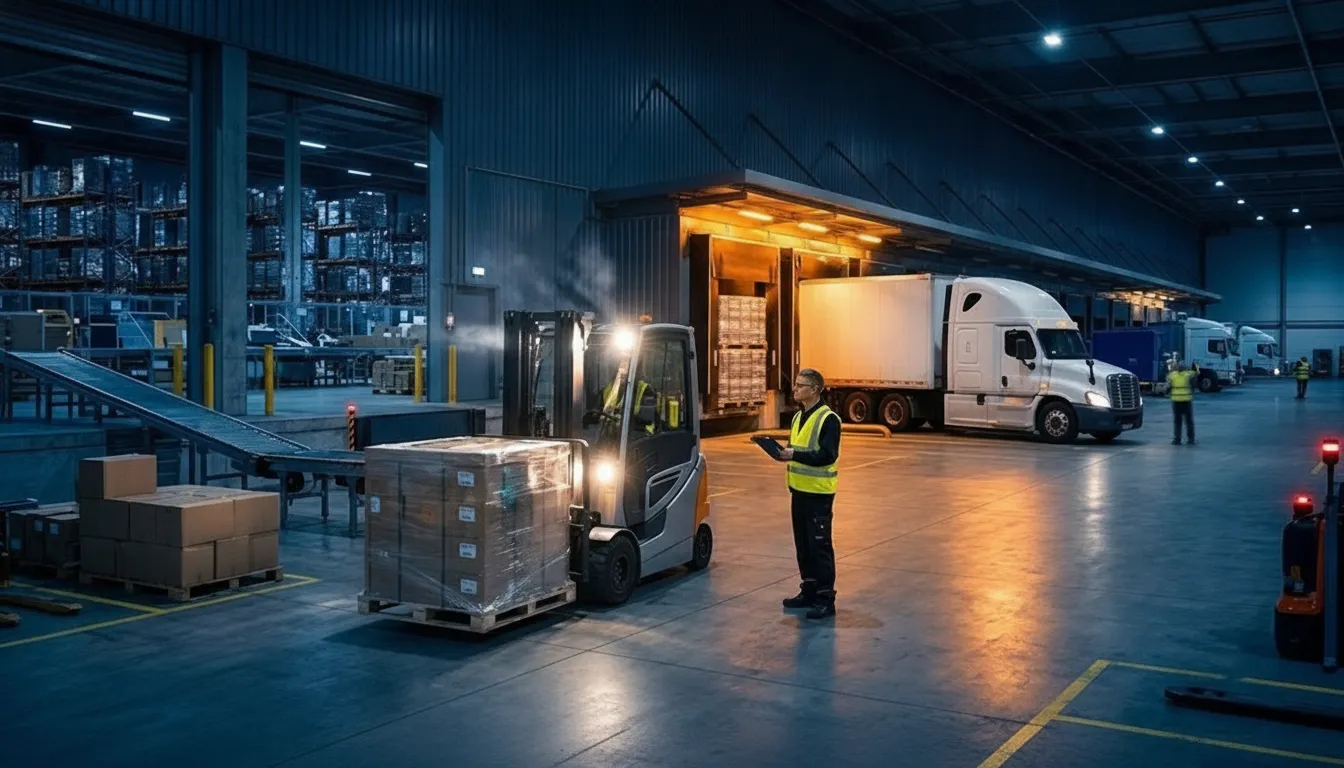
What is transloading when the plan breaks?
A planned transfer and an emergency transfer can use the same dock and still be different jobs. A planned transfer is booked because the route was always going to change equipment. An emergency transfer starts because the current equipment cannot finish the job. The freight may be refused, shifted, stuck at a gate, or sitting in a unit the next carrier will not take.
WeFixFreight handles that second case. The company coordinates urgent freight repair and logistics remediation for brokers, shippers, carriers, and 3PLs across the United States. The work runs through a nationwide network of more than 150 service agents, and the dispatch desk is available 24/7. WeFixFreight does not own the local docks. It coordinates partner facilities and labor so a disrupted load can move again.
Use the live transloading service details when you already know a cargo transfer is the service you need. Use the freight transloading definition when a teammate still needs the basic meaning. This page stays on the decision in front of you: change modes now, or do something else first.
Which exception means the freight should change modes?
Do not order a transfer just because the clock is running. Look for a hard limit in the current equipment. These are the signals that usually mean a mode change is the practical next step.
- The next carrier, rail ramp, port, or receiver will not accept the current trailer, container, or railcar.
- The equipment failed, ran out of hours, or cannot make the delivery window, and a replacement unit is the only way forward.
- The load must switch between truck, rail, ocean container, or air to reach the consignee.
- Product has to be sorted, counted, or repacked so it fits the next journey, not just the current one.
- A refused or stalled shipment has a new destination, and the original unit is the thing blocking that plan.
A shifted pallet by itself is not one of those signals. If the same trailer can be made safe and the receiver will still take it, on-site rework is usually the smaller move. A live dock handoff, with no mode change and no product work, is closer to cross-docking. The cross-dock versus transload comparison covers that split in more detail.
Name the constraint before you name the service. “The receiver refused the trailer” is not yet a transload. “The receiver will take the freight only on a different carrier’s trailer today” is. That one sentence keeps the dispatch focused.
Write the constraint in the note you send with the request. Include the unit type, the reason it cannot continue, and the unit or mode the next leg needs. A dispatcher can act on that note. A vague “load is stuck” message usually creates another round of questions while the driver is still on the clock.
Also separate a terminal problem from a freight problem. A closed gate, a missed rail cutoff, or a trailer the ramp will not in-gate is a terminal problem. Broken pallets, loose cases, or a temperature record the receiver rejects is a freight problem. Transloading solves the first when the cargo itself can move. Rework solves the second when the cargo cannot. Mixing those notes is how teams pay for a transfer and still miss the delivery.
What should you collect before anyone moves the freight?
A transfer goes faster when the first call already answers the questions a dock, a carrier, and a receiver will ask. You do not need a perfect packet. You do need the facts that change the plan.
- Say where the freight is now, including the city, the facility type, and whether it is still on the original trailer, container, or railcar.
- State what happened: refused, shifted, damaged, mislabeled, equipment failure, missed appointment, or a mode the next leg cannot accept.
- Name the freight in plain terms: pallet count, weight range if you have it, temperature needs, and any hazardous or high-value handling limit.
- Give the next move: who is picking up, which mode they need, the delivery window, and whether an appointment already exists.
- Confirm who can approve the transfer, who gets status updates, and who handles the paperwork at release.
Photos help when the condition is part of the decision. A wide shot of the trailer, a close shot of the damage, and a readable count or label can stop a second call. If labels and counts do not match the bill, say so. A transfer that hides a shortage only moves the argument to the next dock.
Add the access facts in the same note. Say whether the freight is at a customer dock, a carrier yard, a rail ramp, or a port. Note the hours that location will still receive a crew, and whether the driver must stay with the unit. A night gate with no receiving contact is a different job from a staffed dock in the middle of the day.
If temperature control matters, say the set point and the last reading you trust. Refrigerated freight can move between modes, but only when the next unit can hold the same range. Do not assume a dry van is an acceptable bridge. For a count-sensitive load, say whether the transfer must be piece-counted or whether a pallet-in, pallet-out handoff is enough.
WeFixFreight’s dispatch path starts with that same intake. You share the location, the condition, and the next delivery need. The team then helps sort whether the response is freight re-work, transloading, cross-docking, re-delivery, short-term warehousing, or another service. Bring the facts. Do not wait for a perfect story.
Should you transload, rework, cross-dock, or hold?
The right service is the one that removes the actual blocker. Use this table as a first sort, then confirm it against the live condition of the freight.
| What you are seeing | Usually the better first move | Why |
|---|---|---|
| Pallets shifted or packaging failed, and the same trailer can still deliver | On-site rework or restack | The freight needs to be made safe. It does not yet need a new mode. |
| The next leg must use different equipment or a different mode | Transload | The cargo has to leave the current unit to continue. |
| The load is sound and only needs a fast handoff to the next truck | Cross-dock | A direct transfer avoids extra handling and storage. |
| The receiver, pickup, or paperwork is not ready today | Short-term hold, then the matching service | Moving freight before the next leg exists creates a second stall. |
| Product is refused and cannot be repaired or resold in this form | Stop and reassess before any transfer | A mode change does not fix freight the consignee will not accept. |
These choices can stack. A crew may restack a shifted load, transfer the sound freight to the outbound trailer, and hold the damaged pieces for a decision. That is still one recovery plan. It is not three unrelated orders. The urgent transload intake guide goes deeper on what to share when the transfer itself is already the job.
Walk the row that matches your note before you call. If the same trailer can deliver after a restack, stop at rework. If the outbound mode is different and the product is sound, go to transload. If the product is sound and the only need is a truck-to-truck handoff, use a cross-dock. If the next appointment does not exist yet, hold the freight and book the service that matches the later plan.
A mixed load needs the table applied in pieces. Deliverable freight should not wait on a refused portion, and refused freight should not ride along just to empty the trailer. Ask the crew to separate those portions, label them, and record the counts before the outbound door closes.
Do not treat a city name as a promise of a dock. WeFixFreight coordinates service agents nationwide. It does not publish a city-by-city facility directory, a public rate card, or a guaranteed local response time. If the freight needs a temporary stop, the short-term warehousing service is the place to confirm storage scope.
What can go wrong if you transfer too early?
Speed is the point of an emergency transfer. Speed without a check creates a second problem. Pause when any of these are still open.
- Nobody has said the freight is safe to move. Shifted or leaking cargo can affect vehicle stability once it is back on a public road.
- The counts, labels, or temperature record do not match what the receiver expects.
- The outbound carrier, appointment, or mode is still a guess.
- The approver for extra handling, a hold, or a disposal decision has not been named.
- Part of the load is refused and part is still deliverable, but those portions are not separated.
Federal cargo securement rules are a useful line here, not a script for the dock. The cargo securement rules in 49 CFR 393.100 cover trucks and trailers on public roads. Cargo has to be contained, immobilized, or secured so it does not leak, spill, blow, or fall. It also cannot shift in a way that hurts the vehicle’s stability or maneuverability. A transfer should leave the next driver with freight that can meet that bar. It should not leave the problem packed into a different trailer.
There is a planning version of this same idea. Federal Highway Administration freight statistics describe how U.S. freight moves across modes and why transfers happen in ordinary networks. That background lives in the FHWA national freight statistics hub. An emergency recovery is narrower. You are not redesigning a network. You are choosing the next legal, practical move for one stalled shipment.
How does WeFixFreight coordinate the handoff?
Once the path is clear, coordination is a sequence, not a scramble. Share the location and the condition. Confirm the service. Then keep one thread for status until the freight is released to the next leg.
The service menu matches the choices in the table. Freight re-work covers restack, repack, and on-site labor when the load can stay in place. Transloading covers the cargo transfer when the mode or the equipment has to change. Cross-docking covers a direct handoff. Re-delivery covers the next attempt after a refusal. Short-term warehousing covers a hold measured in days, not a new long-term storage contract. Product disposal is a separate decision for freight that cannot continue.
Keep one owner for the thread from the first call through release. That person confirms the scope, receives the count, and tells the carrier when the freight is ready. Extra people can be copied. They should not each give the dock a different instruction. When the outbound driver arrives, the release note should name the trailer or container, the piece count, and any exception that stayed behind.
After release, close the loop with the receiver. Tell them the mode changed, share the new carrier or trailer if you have it, and pass along any shortage or damage note from the transfer. A clean dock handoff can still fail if the consignee is expecting the original unit and the original seal.
Payment follows the same rule on every job. Services are payable upon completion to We Fix Freight via Comchek, EFS, or credit card. The driver will not pay on location. Ask for the scope before the work starts so the handoff does not stall over an unexpected charge. Pricing is standardized and discussed up front. This page does not quote a rate, because the live condition of the freight changes the work.
If you want the broader service story before you call, read the transloading services guide. If the blocker is really a restack, start with what freight rework covers. Both pages stay in their lanes so this one can stay on the go-or-wait decision.
Frequently Asked Questions
What is transloading in a freight emergency?
It is a cargo transfer used because the current trailer, container, railcar, or mode cannot finish the trip. The emergency version starts with a refusal, a failure, or a missed handoff, not with a transfer that was booked from day one.
Does a shifted load always need a transload?
No. If the same trailer can be made safe and the receiver will still take it, restack or rework is usually the first move. Transfer the freight when the equipment or the mode is the thing that has to change.
Can the freight be held during the decision?
Yes, when the next carrier, appointment, or approver is not ready. Short-term holding keeps the freight secure while that gap closes. It is not a substitute for a delivery plan.
Who approves the work?
Name the person who can approve the transfer, a hold, or extra handling before labor starts. The dispatch desk can coordinate the response. It still needs a customer approver for the scope.
Does WeFixFreight guarantee a dock in my city?
No. The company coordinates a nationwide network of more than 150 service agents. A city name tells the team where the freight sits. It is not a promise of a company-owned facility, a published rate, or a set response time.
Get the next move confirmed
If the shipment is refused, shifted, or stuck in the wrong equipment, send the location, the condition, and the next delivery need. WeFixFreight will help you sort a transfer from a rework, a cross-dock, or a short hold, then coordinate the response through the service-agent network.