
When freight is delayed, damaged, or no longer headed to the right destination, cross docking services salt lake city can help move a shipment from one vehicle to another without treating long-term storage as the default. The right response depends on why the load is stuck, what condition it is in, and who can authorize a transfer. Use this guide to assess the options and prepare a clear request. WeFixFreight coordinates urgent freight remediation through a nationwide network, but confirm the specific location, timing, and work needed when you contact the team.
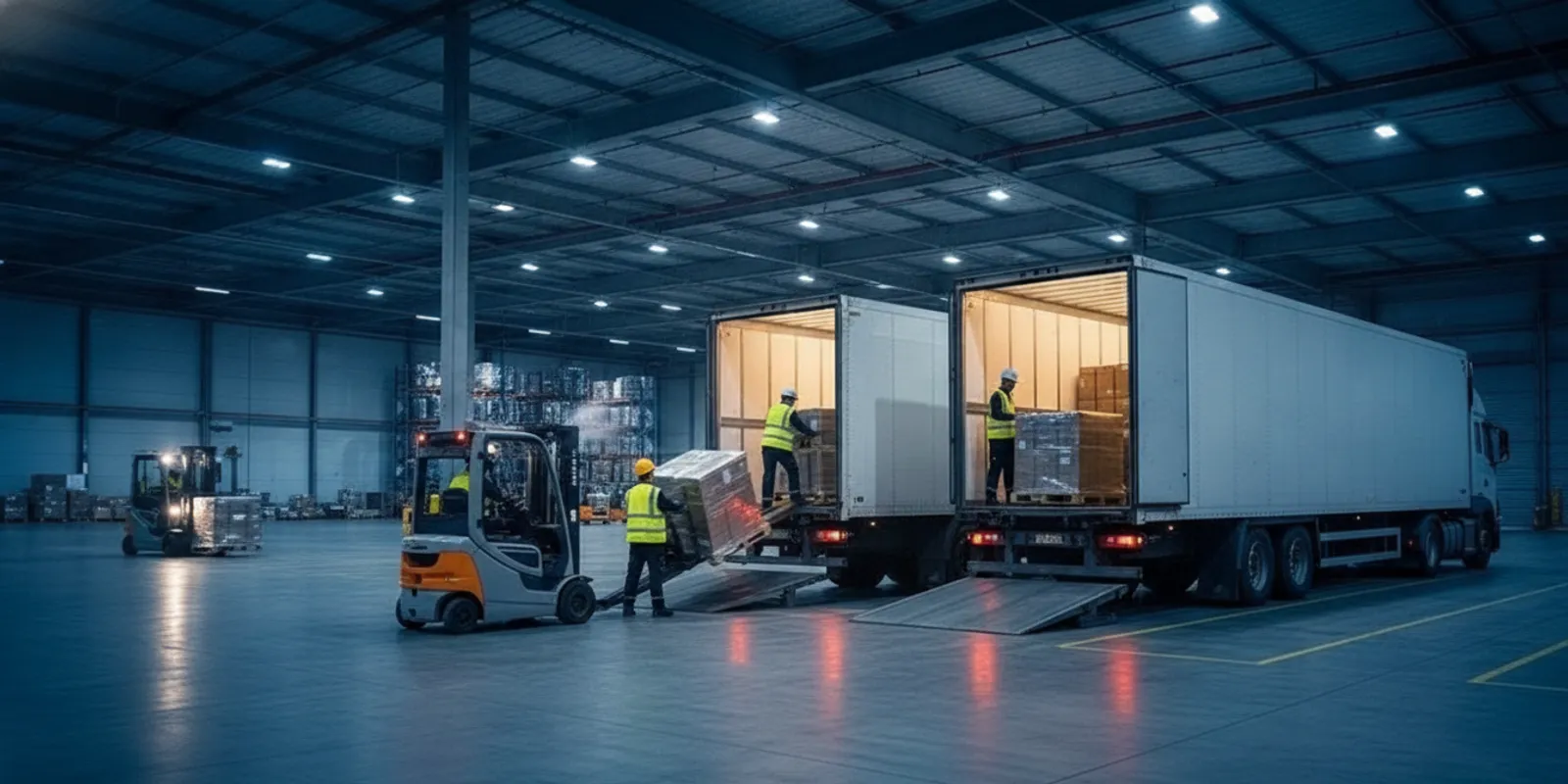
How do cross docking services Salt Lake City support an urgent load?
Cross-docking is a freight transfer: cargo is moved from an inbound vehicle to an outbound vehicle, often to keep a shipment moving when the original plan can no longer work. It can be useful when the load itself is in acceptable condition, but a trailer, appointment, route, or delivery plan has changed. For example, a carrier might need to transfer freight after a vehicle issue, or a shipment may need a different outbound truck to meet a revised delivery plan.
It is not automatically the answer to every exception. If pallets have fallen over, shifted, or broken, the freight may need inspection and freight re-work before it is safe to reload. If the original receiver rejects the load, re-delivery may be part of the recovery plan. If the freight must change modes, transloading may fit better than a simple truck-to-truck handoff.
For a closer look at the transfer itself, see this guide to cross-docking and freight recovery. The practical question is whether a transfer resolves the problem without creating another one. A load that needs to be reworked, held, or redirected may require several coordinated services rather than one dock move.
What should you verify with cross docking services Salt Lake City?
A search for cross docking services salt lake city can return a range of facilities and service descriptions. Before relying on a listing, establish whether a provider can handle this specific shipment and exception. A general warehouse listing does not by itself confirm that a facility can accept freight at the required time, perform the necessary handling, or support the planned outbound move.
- Location and timing: Share where the truck and freight are now, the requested transfer window, and any appointment cutoff. Ask the provider to confirm availability for that location and time.
- Freight details: Give the piece and pallet count, approximate dimensions and weight if known, commodity description, and any handling requirements. State whether the freight is palletized, loose, temperature-sensitive, or otherwise restricted.
- Condition: Report visible damage, leaning or shifted pallets, broken packaging, or a load that cannot be accessed safely. Do not describe an unstable load as routine cross-docking.
- Equipment and labor: Ask what equipment, dock access, and labor are needed for the transfer. Explain any unusual unloading or loading constraints.
- Outbound plan: Confirm the receiving vehicle, driver or carrier contact, destination, and expected departure timing. A transfer needs a workable next step, not just an available dock.
- Authority: Identify who can approve the work and who will communicate with the shipper, carrier, broker, receiver, or other party as needed.
- Cost and scope: Request a clear description of the work and its charges before dispatch, including any expected additional handling. Do not assume a directory listing or an initial estimate covers a changed scope.
If you are comparing nearby options, the checklist in how to find a cross dock near the load can help frame the questions. Focus on confirmed capability and coordination, not distance alone. The closest facility may not be the best fit if it cannot accept the freight or support the required handling.
What information helps dispatch coordinate a transfer?
Prepare the facts that let a coordinator understand the exception and match it to the right service path. A short, accurate brief can reduce repeated questions and help all parties work from the same version of the plan.
- Pinpoint the shipment: Provide the current city or facility, the truck’s status, and a reliable contact for the driver or site. Share the pickup or reference number if available.
- Describe the failure: Explain what changed and when. For example, distinguish a missed appointment from equipment failure, a rejected delivery, or a load shift.
- Describe the freight: State what is being moved, the number of pallets or pieces, packaging and visible condition, and any special handling or access limits. Send photos when they can safely and clearly show the issue.
- Set the desired outcome: Say whether the goal is a direct vehicle transfer, safe restacking, a new delivery attempt, a temporary hold, or another plan. The appropriate service may change after an assessment.
- Name the decision-maker: Provide the person authorized to approve the work and the best way to reach them. Clarify who is coordinating the carrier and receiving party.
- Confirm what happens next: Identify the outbound vehicle or the next decision point. If that detail is not yet known, say so and agree on who will provide it.
When a load is unstable, keep people clear of the hazard and follow the facility’s safety procedures. Avoid asking a driver or unqualified person to climb into a compromised load or reposition freight without an appropriate assessment. A basic freight inspection process helps teams establish the condition before work begins. Photos and a clear description support coordination, but they do not replace an on-site assessment where one is needed.
Which freight recovery option fits the problem?
Cross-docking is one option in a broader recovery decision. The best fit depends on the freight’s condition, the change that caused the delay, and the intended next move. Use the comparison below to start the discussion, then confirm the actual scope with the service provider.
| Option | Best suited to | Key question to answer |
|---|---|---|
| Cross-docking | Freight that can be transferred between vehicles without a planned storage period | Is there an available dock, suitable handling, and a confirmed outbound move? |
| Freight re-work | Freight that needs pallet services, restacking, or other organization before moving | What condition is the load in, and what work is required before it can travel? |
| Transloading | A shipment that must transfer between transportation modes or equipment types | What equipment and handling steps are required for the mode change? |
| Re-delivery | A rejected or missed delivery that needs a revised delivery plan | Who has approved the new destination or appointment, and when can delivery occur? |
| Short-term warehousing | Freight that needs a temporary hold while the next move is arranged | How long is the hold expected to last, and what access or handling is needed? |
These services can work together. A shifted load may need re-work before cross-docking. Freight that cannot be delivered immediately may need a temporary hold followed by re-delivery. For a vehicle-to-vehicle move, this guide to load transfer for trucks offers another way to think through the handoff. State the immediate problem first, then ask which combination of services is feasible.
How should you compare providers and confirm the handoff?
Compare providers on their ability to meet the shipment’s actual requirements, not on a broad claim that they handle freight. Ask the same practical questions of each option so you can judge scope and timing fairly:
- Can you confirm the requested location and a realistic availability window?
- Can you handle the freight type, pallet count, condition, and equipment needs described?
- Who will coordinate the dock, carrier, driver, and outbound plan?
- What work is included, what is not included, and how will a change in scope be approved?
- What proof of transfer or condition documentation will be shared with the parties?
Do not treat a search result or business directory as proof that a facility can perform a particular urgent job. For context, the Better Business Bureau’s directory page for containerized freight services near Arcadia, Utah describes ratings, reviews, and accredited businesses in that category and area. It is not a listing of Salt Lake City cross-dock availability, so verify the location and work directly rather than inferring coverage from a directory.
Before work starts, make sure the parties agree on the receiving party, the next carrier or vehicle, and who will report completion. Keep the broker, shipper, carrier, and receiver aligned on material changes. A concise written handoff can record the shipment reference, observed condition, approved work, and next destination. If you need a broader view of service coverage, consult the freight rework and re-delivery coverage information, then confirm that the specific urgent requirement can be supported.
What should happen after you request help?
Once you submit the situation, stay available to answer questions and provide missing shipment details. WeFixFreight describes its service as nationwide, on-demand freight repair and logistics remediation, supported by a network of more than 150 service agents and 24/7 availability. Service needs and local availability still depend on the facts of the job, so provide the exact current location rather than assuming that a provider has a facility at a particular address.
The next steps should be clear: confirm the service scope, identify who is approving it, coordinate any required dock and equipment access, and establish the outbound plan. If the proposed solution changes because the freight condition differs from the initial report, pause to review the updated work and authorization. Teams managing a time-sensitive exception can also review what to do when an emergency crossdock is needed and the practical guidance for dock rework needed today.
For a freight team weighing the cost of continued delay against a recovery move, see how freight downtime affects an operation. The useful comparison is specific to your shipment: remaining wait, missed delivery commitments, added handling, and the consequences of leaving freight unresolved. Avoid assuming that any single service removes every downstream cost.
Frequently Asked Questions
Can cross-docking fix a load with fallen or leaning pallets?
Not by itself in every case. If pallets have fallen, shifted, or become unstable, report that condition before arranging a transfer. The freight may need inspection and freight re-work or pallet services before it can be moved safely. Do not treat restacking as part of a routine transfer unless the work and authorization are confirmed.
Does a Salt Lake City search confirm that a facility is available now?
No. Search results can help identify options, but they do not confirm current dock capacity, operating hours, labor, equipment, or acceptance of a particular commodity. Verify the precise location, timing, freight details, and scope directly.
What if I do not know whether I need cross-docking or transloading?
Describe the current vehicle or mode, the next intended move, and the reason the shipment is delayed. A coordinator can help assess whether the plan calls for a vehicle transfer, a change between modes, re-work, a temporary hold, or re-delivery. You do not need to choose a service label before explaining the problem.
What should I send first when asking for urgent help?
Share the exact location, shipment reference, freight description and condition, current vehicle status, timing constraints, desired outcome, and the name of the person authorized to approve work. Include clear photos when they can be taken safely. These details help the team assess the request and identify information still needed.
Get the next freight move started
Contact us now to discuss the load
With the shipment location, condition, timing, and decision-maker clear, your team can confirm whether a cross-dock transfer or another recovery option is the right next move.