
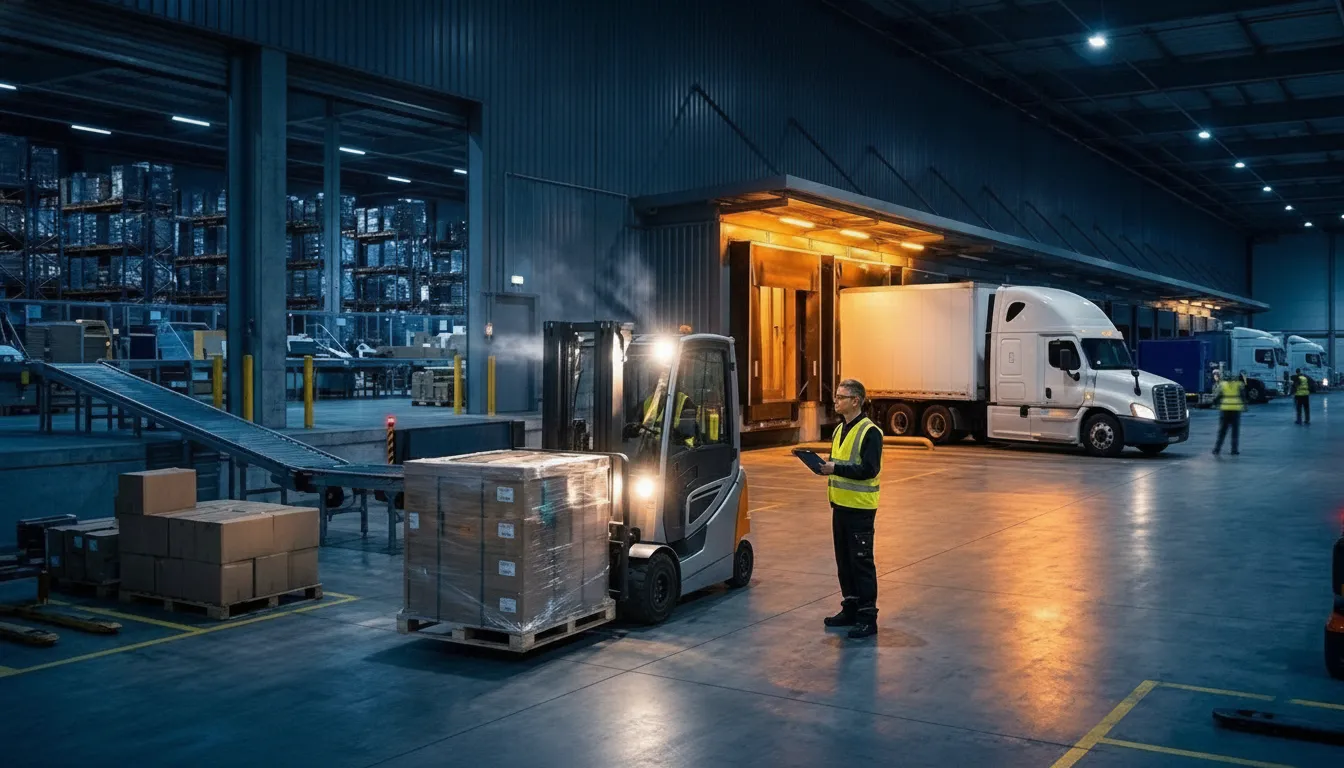
When a load is damaged, shifted, refused, or stranded, the real advantage is not simply finding help. It is reaching the right local capability without losing time searching across unfamiliar markets. WeFixFreight operates a nationwide freight rework dispatch network of more than 150 independent service agents, with stated 24/7/365 availability for brokers, shippers, carriers, and 3PLs managing urgent freight problems.
A nationwide freight rework dispatch network connects centralized coordination with local execution. WeFixFreight can identify a qualified service agent based on proximity, expertise, and availability, while standardized, quote-based pricing supports consistency across the network. That structure helps freight teams address disruption without assuming the response depends on a company-owned branch in every market.
The model also supports related recovery needs, from freight disposal and specialized project support to understanding the nationwide service-agent coverage map. The key question is how the network turns broad geographic reach into practical, coordinated service when a shipment cannot wait.
What Makes a Freight Network Truly Nationwide?
Nationwide coverage is not defined by a list of company-owned warehouses or a promise that every service is available in every location. For urgent freight problems, it means coordinated access to local execution across the United States. With a central team that can understand the situation, identify the right type of help, and connect the load to available resources.
That distinction matters when a damaged, shifted, or otherwise disrupted load is holding up a delivery. Freight brokers may need to protect a customer relationship while arranging a practical recovery. Carriers and fleet operators need to resolve the issue without extending truck downtime. Shippers may be managing risks to inventory, production schedules, or customer commitments. For 3PLs, the challenge can span multiple customers and geographies at once.
WeFixFreight serves these audiences through an asset-light network of more than 150 independent service agents and partner-owned logistics resources. The model is designed to coordinate local labor, equipment, facilities, and related freight services without suggesting that WeFixFreight owns a branch or warehouse in every market. That structure supports a nationwide freight rework dispatch network while keeping the focus on the specific capability and location each situation requires.
Availability is another part of the model. WeFixFreight states 24/7/365 availability, including weekends and holidays, for emergency freight repair and logistics remediation. This does not mean every job has the same arrival time or resolution path. It means freight teams have a defined point of coordination when a problem occurs outside normal business hours.
Explore the full range of emergency freight services, or review the nationwide service-agent coverage map to understand how the network is organized. Coverage questions, service fit, and pricing remain quote-based, with scope confirmed before work is arranged.
How a Nationwide Freight Rework Dispatch Network Works
The process begins when a broker, shipper, carrier, or 3PL reports a load problem and shares the information needed to evaluate the situation. That can include the truck’s location, the nature of the freight issue, the requested service, and any timing or site constraints. Central dispatch then coordinates the emergency call instead of leaving the customer to search for a local provider independently.
Dispatch reviews the request and identifies a qualified service agent using three practical factors: proximity to the load, relevant expertise, and current availability. This approach connects the situation with a local resource while keeping communication coordinated through WeFixFreight. It also helps distinguish between different operational needs without turning the customer into the project manager for a time-sensitive response.
Once the request is matched, available agents receive job alerts through a platform and can accept the work. WeFixFreight coordinates directly with the local agent, confirms the assignment, and keeps the response connected to the original request. The result is a clear handoff from centralized intake to local execution. The agent performs the work at the appropriate location, while the dispatch relationship provides continuity for the freight team managing the disruption.
This model matters when a truck is delayed, a load is damaged or shifted, or a delivery problem affects a broader logistics plan. A broker can coordinate help for a customer, a carrier can focus on reducing downtime. And a 3PL can seek response across multiple client locations without building a separate provider list for every geography. The network is designed for coordination, not a promise that every service or arrival time is identical in every location.
For a closer look at the available response model, review the 24/7 freight rework dispatch service information. It explains how round-the-clock availability supports urgent freight coordination while local agents handle execution on the ground.
How WeFixFreight’s 150+ Agent Network Is Structured
WeFixFreight’s nationwide model is built around more than 150 independent service agents, not a chain of company-owned branches. These agents support freight repair and logistics remediation in local markets while WeFixFreight coordinates the customer request, agent selection, and operating communication. That structure gives freight brokers, shippers, carriers, and 3PLs one coordinated point of contact without suggesting that every location has the same facility or equipment.
The network is asset-light. Partner-owned facilities, trucks, equipment, and labor provide the physical capacity needed for individual assignments. Depending on the load and location, the right response may involve on-site labor, freight rework, a transfer, temporary handling, or another qualified service. Capabilities are matched to the specific request rather than presented as universal at every agent location.
Central coordination, local execution
Asset-light does not mean uncoordinated. Central dispatch receives the emergency call and helps identify a qualified agent based on proximity, expertise, and availability. Agents receive job alerts through a platform and can accept work, while WeFixFreight coordinates directly with the local agent. The result is a defined handoff between the team managing the request and the partner performing the work on the ground.
This distinction matters when a load issue is affecting a delivery schedule or keeping a truck from moving. A carrier or fleet operator does not need to search for an unfamiliar provider in each market. A broker or 3PL can communicate the problem through a network designed to coordinate service across clients and geographies. The local partner still determines what it can appropriately perform, based on its equipment, facility access, labor, and relevant experience.
Organizations interested in joining this operating model can learn more about becoming a service-agent partner. For customers, the practical value is direct coordination with a nationwide network while preserving the local knowledge and physical resources that each assignment requires.
Why Decentralized Dispatch Helps During Freight Emergencies
Freight emergencies rarely stay contained to one office or one predictable service area. A damaged, shifted, or delayed load can require coordination between the party managing the shipment, the carrier, local labor, equipment providers, and other logistics partners. The dispatch model determines how those pieces connect.
| Dispatch model. | Primary strength. | Operational limitation. |
|---|---|---|
| Centralized-only. | Consistent intake and one coordination point. | May have less direct connection to local execution resources. |
| Purely local. | Local knowledge and proximity to the immediate problem. | Can leave the customer responsible for finding, comparing, and coordinating providers. |
| Coordinated distributed. | Central oversight combined with qualified local execution. | Still depends on the right local capability being available for the specific need. |
WeFixFreight uses the coordinated distributed approach. Central dispatch receives the emergency call, then identifies a qualified service agent based on proximity, expertise, and availability. Agents receive job alerts through a platform and can accept work, while WeFixFreight coordinates directly with local agents. This structure connects a nationwide freight rework dispatch network with local execution without implying that every location has a company-owned branch or identical equipment.
That coordination matters because emergency freight movement can involve changing conditions and multiple stakeholders. The Federal Highway Administration notes that emergency response and recovery depend on moving trucks, supplies, and repair materials to affected areas. Its emergency-routing resources address the needs of response agencies, transportation officials, and recovery organizations.
For freight teams, the practical value is a clearer path from problem report to an appropriately matched local resource. It can support requests such as emergency load transfer coordination while keeping the scope specific to the shipment, location, and available capability. It is a coordination model, not a promise of universal arrival times or guaranteed outcomes.
What Does 24/7/365 Dispatch Actually Mean in Practice?
For a freight team, 24/7/365 dispatch means there is a stated channel for intake and coordination when a load problem occurs at night. Over a weekend, or on a holiday. WeFixFreight positions this availability around emergency freight repair and logistics remediation, so a broker, shipper. Carrier, or 3PL does not have to wait for ordinary business hours before reporting a disruption.
The practical workflow starts with gathering the shipment details, understanding what has gone wrong, and identifying the type of support required. Central dispatch then works to identify a qualified local service agent based on factors such as proximity, expertise, and availability. Agents can receive job alerts through a platform and accept work, while WeFixFreight coordinates directly with the local agent. This separates round-the-clock intake from the eventual on-site work, which depends on the circumstances of the load and the selected service resources.
What the two-hour commitment covers
WeFixFreight documents a two-hour commitment for initial customer contact and agent identification. That is a communication and coordination measure. It means the early response should focus on connecting with the customer and identifying a potential agent for the request. It does not mean every load will have an agent on site within two hours, and it is not a universal promise about completion or resolution time.
That distinction matters when a 3PL is managing several customers, locations, and delivery risks at once. A clear first contact can establish the facts, clarify the next operational decision, and keep stakeholders aligned while local execution is arranged. Learn more about emergency freight solutions for 3PLs and how a nationwide freight rework dispatch network can support time-sensitive coordination without overstating what dispatch availability guarantees.
How Standardized Pricing Works Across Network Agents
When a load problem needs local labor, equipment, or a facility, the right price depends on the actual work required. WeFixFreight uses quote-based pricing so the scope can be reviewed before service begins. Standardized pricing is intended to keep the approach consistent across its nationwide freight rework dispatch network, even when the work is coordinated through different independent service agents.
A quote can be built around the details that affect execution, such as the load condition. The type of rework required, the location, labor needs, equipment, handling requirements, and any related logistics support. That gives brokers, shippers, carriers, and 3PLs a clearer basis for approving the response. It also helps carriers and fleet operators evaluate the cost of resolving a load issue against the operational cost of extended truck downtime.
Consistency without pretending every job is identical
Standardized does not mean every incident receives the same price. It means the pricing process is designed to be fair and consistent across the network, while the quote reflects the specific scope. WeFixFreight coordinates partner-owned facilities, trucks, equipment, and labor rather than relying on company-owned infrastructure. The service model can therefore adapt to local conditions without turning each agent relationship into a separate, unclear pricing system.
Public materials do not publish specific rates. That is intentional because a meaningful quote requires current job information, not a generic rate that may misrepresent the work. A clear request helps the dispatch team identify the appropriate service path and coordinate directly with the local agent. For related planning, see how timely freight rework can help address problems before they develop into larger claims or delivery disruptions.
The same scope-first approach can extend beyond rework when a shipment requires freight disposal and related logistics support. The goal is straightforward: define the work, align the available network resources, and provide a quote that reflects the actual response needed, without publishing unsupported dollar amounts.
When Should Freight Teams Use a Nationwide Dispatch Network?
A nationwide dispatch network is most useful when a freight problem needs coordinated action beyond the normal carrier or warehouse plan. Brokers can use it when a damaged, shifted, or delayed load threatens a delivery commitment or customer relationship. Shippers may need support when disruption puts production schedules, inventory, or customer experience at risk. For carriers and fleet operators, the priority may be resolving a load issue and limiting truck downtime. A 3PL can use the model when several clients or locations need an emergency response at the same time.
WeFixFreight serves these audiences across the United States through more than 150 independent service agents. The network is designed for central coordination with local execution, rather than a promise that every capability is available at every location. Stated 24/7/365 availability means teams can begin the intake process on nights, weekends, and holidays. The documented two-hour commitment applies to initial customer contact and agent identification, not guaranteed arrival or resolution.
Before requesting help, gather the details below. Clear information helps the dispatch team understand the incident, evaluate the applicable service, and identify the next operational step.
- Identify the shipment and decision-maker. Note whether you are the broker, shipper, carrier, fleet operator, or 3PL, along with the shipment reference, customer contact, and the person authorized to approve work.
- Describe the immediate problem. State whether the load is damaged, shifted, leaning, refused, delayed, or otherwise unable to move as planned. Include any known safety, handling, or access constraints without guessing about a remedy.
- Share the current location and timing. Provide the facility or site address, truck status, destination, appointment deadlines, and any time-sensitive production or delivery impact. A precise location supports appropriate local-agent identification.
- Explain the support you believe is needed. Include relevant load details, equipment information, photos or documents when available, and whether the request may involve rework, transfer, storage, or another freight service. Then Contact us now to begin coordinated intake.
Keep the information factual and current. Dispatch can then work from the actual conditions instead of an incomplete description formed under pressure.
Frequently Asked Questions
How does the network provide local help across the United States?
WeFixFreight combines central dispatch with local execution. The team reviews the freight problem, identifies a qualified service agent based on proximity, expertise, and availability, then coordinates the work directly with that agent. This model provides nationwide access without implying that every location has a company-owned branch or warehouse.
How many service agents are available through the network?
The network includes more than 150 independent service agents, according to WeFixFreight customer materials. Their independent status allows the network to coordinate local labor, equipment, facilities, and other resources while the central team manages the customer request and dispatch process.
What does 24/7/365 freight dispatch availability mean?
It means customers can initiate an urgent freight request at any time, including nights, weekends, and holidays. The team can receive the issue, gather the relevant load details, and work on identifying an appropriate local agent. Availability does not promise a universal on-site arrival or resolution time. WeFixFreight documents a narrow two-hour commitment for initial customer contact and agent identification, not completed service.
How does standardized, quote-based pricing work?
Pricing is quote-based, so the scope and circumstances of the requested work are considered before a quote is provided. Standardized pricing is intended to create consistency across the network, while the final quote reflects the specific freight situation. Public materials do not provide specific rates, so customers should request a quote rather than rely on a published amount.
Contact us to coordinate your next freight response
When an urgent freight issue requires coordination across locations, a clear starting point can help your team define the situation and identify the support needed. Share the load details, location, and operational priority so WeFixFreight can discuss a practical path forward using its nationwide dispatch network and local service-agent relationships.