
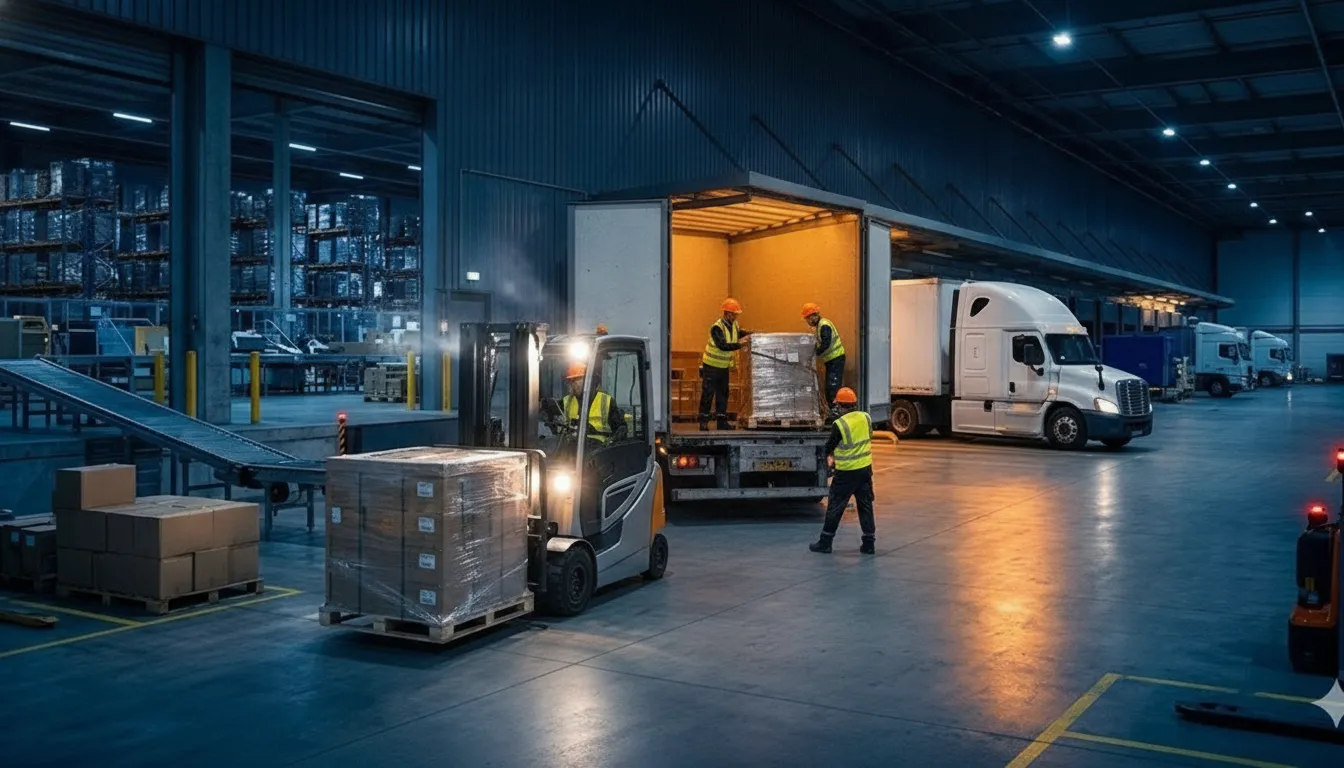
A shifted load, damaged packaging, or unstable pallet does not wait for the next business day. When a freight problem threatens delivery, every hour can increase truck downtime, customer pressure, and the risk of further disruption. The right response starts with knowing who can assess the situation and coordinate the next step after hours.
For brokers, shippers, carriers, and 3PLs, a 24 7 freight rework service means more than a phone line that stays open. It means continuous availability, centralized dispatch, and a practical path toward stabilizing the shipment, arranging the right labor or facility, and getting freight back on the road. WeFixFreight supports urgent freight repair across the United States, with availability overnight, on weekends, and on holidays. Specific location coverage and job timing still require confirmation after assessment.
That around-the-clock model matters because freight disruptions continue while trucks are moving, warehouses are closing, and delivery windows are approaching. It also helps decision-makers distinguish freight rework from related responses, such as responsible product disposal, when damaged cargo cannot be returned to the normal delivery flow. The first question is why an emergency response cannot be limited to office hours.
Why Freight Emergencies Do Not Follow Business Hours
A freight problem rarely waits for a convenient time. A shifted load, unstable pallet, damaged package, or other disruption can surface during an overnight stop, a weekend route, or a holiday delivery window. Waiting until the next business morning may leave equipment idle, delay downstream appointments, and give a manageable issue more time to affect the shipment.
The broader emergency logistics picture supports that urgency. The Federal Highway Administration notes that emergency response and recovery depend on moving trucks, supplies, fuel, and other essential materials quickly. Research on disaster freight distribution also finds that demand can increase while physical and operational constraints reduce available system capacity. In other words, a disruption can become harder to resolve precisely when normal options are less available.
Availability starts the response, not the finish line
A 24 7 freight rework service provides a way to begin coordination outside standard office hours. WeFixFreight describes its emergency availability as 24/7/365, including overnight, weekend, and holiday coverage. That means a broker, carrier, shipper, or 3PL can initiate an assessment when the issue is discovered instead of holding the request until morning.
Availability is not the same as a promise that every shipment will arrive at a fixed time or be completed within a universal window. Location, cargo condition, access, equipment, labor, and the work required all affect the next steps. The documented two-hour commitment applies to initial customer contact and agent identification, not automatic job completion. The practical goal is to assess the situation, coordinate the appropriate resources, and reduce avoidable downtime while working toward getting the freight back on the road.
How a 24 7 Freight Rework Service Dispatch Works
When a load is shifted, unstable, or damaged, dispatch has to turn incomplete information into a workable recovery plan. The process is designed to protect the shipment, reduce avoidable truck downtime, and coordinate the right people for the location. WeFixFreight’s documented framework commits to initial customer contact and agent identification within two hours. That commitment applies to the start of coordination, not to a universal arrival or completion time.
From the first call to a coordinated handoff
- Intake captures the operating facts. The dispatcher confirms the shipment location, carrier or facility contact, load condition, equipment involved, and the immediate risk. Photos, paperwork, and notes about shifted pallets or damaged packaging can help establish what the team is being asked to address. A clear intake also helps distinguish freight rework from a different response, such as a transfer or recovery operation.
- Assessment defines the next safe move. The team reviews the available information and identifies the work needed. Freight rework may involve pallet restacking, packaging replacement or reinforcement, or transferring freight when conditions require it. For a broader recovery sequence, the damaged freight repair and recovery process can include assessment, documentation, rework, redelivery, claims, and closeout.
- Dispatch identifies a qualified service agent. Centralized coordination checks the job details against the service network and works to identify a nearby qualified agent. Location availability still needs to be confirmed for the specific shipment, rather than assumed from a nationwide service statement. The applicable freight re-work services depend on the cargo condition, equipment, access, and requested outcome.
- Stabilization protects the next step. The agent and local contacts coordinate the immediate work needed to make the freight manageable for continued handling or movement. Staged or restacked freight should be organized so the arrangement does not create a workplace hazard. See OSHA’s material handling and storage standard for the applicable general safety reference.
- Handoff closes the information loop. Dispatch confirms what was completed, what condition the freight is in, and what follow-up remains. Documentation supports communication among the broker, shipper, carrier, or 3PL and can help preserve a clear record if delivery, claims, or additional remediation must be coordinated.
What a 150+ Agent Network Changes for 24/7 Response
A distributed service network changes the coordination problem after hours. Instead of depending on one facility or one local crew, centralized dispatch can review the shipment details, identify a nearby qualified agent, and coordinate the next operational step. That matters when a broker, carrier, shipper, or 3PL is managing a shifted load, unstable pallets, damaged packaging, or another disruption outside normal business hours.
WeFixFreight coordinates more than 150 service agents and partner-owned logistics assets across the United States. This asset-light model can connect a freight problem with available local facilities, equipment, and labor without relying solely on company-owned locations. It supports 24/7/365 emergency response, including overnight, weekend, and holiday coverage, while keeping the focus on stabilizing freight and getting it back on the road.
Reach is broader, but local availability still needs confirmation
A nationwide network is not the same as a guarantee that every service or resource is available in every location. The shipment address, cargo condition, required equipment, timing, and scope of work all affect the appropriate match. Dispatch must confirm what can be coordinated at the specific location before the response plan is finalized. The nationwide coverage map provides useful context, but local availability should still be verified for the load in front of you.
This coordination model also helps when a straightforward restack is not enough. Non-standard cargo, specialized handling, or a multi-location disruption may require a broader plan. In those cases, specialized freight projects support can provide a framework for coordinating the resources and decisions that a single local contact may not be equipped to manage.
What to Expect When You Call for Freight Rework at Midnight
A midnight freight problem is easier to manage when the first call produces a clear operating picture. Whether you are a broker protecting a delivery commitment, a carrier dealing with an unstable load, a shipper protecting inventory, or a 3PL coordinating multiple locations, start with the basic facts. Explain what happened, where the freight is, and what condition it is in. This gives the dispatcher a practical starting point instead of requiring several rounds of follow-up.
Prepare the facts that shape the response
Have the precise facility or roadside location, shipment reference, trailer details, commodity, pallet count, and immediate safety concerns available if you have them. Photos, inspection notes, delivery requirements, and contact information for the driver, facility, consignee, or customer can also help. If the freight is shifted, damaged, rejected, or at risk, describe the visible problem plainly. Those details help distinguish a restack, packaging repair, transfer, or another form of rework.
The dispatcher then reviews the situation and confirms whether service is available at that particular location. WeFixFreight’s response framework documents a two-hour commitment for initial customer contact and agent identification. That commitment applies to the initial coordination step, not to universal arrival or job completion. Location, cargo condition, access, equipment, and the work required all affect what happens next.
After assessment, the team coordinates the appropriate labor, equipment, or facility support. For a 3PL managing a broader disruption, the emergency freight solutions for 3PLs overview explains how this coordination can support complex supply chains. If the job needs hands-on loading, unloading, restacking, or stabilization, review the on-site freight labor service details as well.
Pricing is quote-based and follows the assessment. You should receive transparent, standardized pricing for the requested work rather than a published amount that ignores the shipment’s actual needs. Ask what the quote includes, which services are being coordinated, and what information the team still needs before authorizing the next step.
How to Set Up Emergency Freight Rework on Account
The quality of the first dispatch conversation depends on the information available at handoff. Preparing a basic account record before a disruption gives the dispatcher a clearer starting point and helps the right service plan develop without avoidable back-and-forth.
Keep an emergency freight profile ready
- Location: Record the exact facility, truck stop, yard, or roadside location, including the street address, dock or door number, and a reliable pin or landmark. Availability should be confirmed for the specific location rather than assumed from nationwide coverage.
- Cargo condition: Note what happened, when it happened, the number of pallets or pieces affected, and whether the load is shifted, unstable, damaged, wet, or otherwise unable to move. Include the trailer number, load reference, and any immediate access or safety concern.
- Photos and documentation: Keep current photos of the load, packaging, pallets, trailer, and surrounding work area. Gather the bill of lading, delivery or rejection notes, inspection records, and other shipment documents that help establish the condition. Timely rework and documentation can support better delivery outcomes and freight-claim prevention. See this guide to timely freight rework and documentation.
- Contacts: List the decision-maker for the broker, shipper, carrier, or 3PL, plus the driver, facility contact, consignee, and anyone authorized to approve the next step. Include mobile numbers and after-hours escalation instructions.
- Access details: Record gate hours, appointment requirements, dock equipment, required personal protective equipment, parking limitations, and whether a forklift, labor, staging area, or temporary transfer point is available. If on-site labor may be needed, review the on-site freight labor service.
When an incident occurs, send the profile, photos, and documents through the established contact channel, then stay available for clarification. The documented framework covers initial customer contact and agent identification within two hours, not a universal arrival or completion time. After assessment, coordinate access, approvals, rework, redelivery, or closeout with the assigned team. This preparation helps a 24 7 freight rework service focus quickly on stabilizing the shipment and getting it back on the road.
Freight Rework, Cross-Docking, or Disposal: Which Response Fits?
The right response depends on what is putting the shipment at risk. A shifted load may need hands-on stabilization, while a delivery interruption may call for a transfer between facilities. If the product cannot continue through the intended channel, the next step may involve coordinated disposal. These are related logistics responses, but they solve different operational problems.
Match the response to the freight problem
| Response. | Typical trigger. | Primary objective. | Coordination needs. |
|---|---|---|---|
| Freight rework. | Shifted loads, unstable pallets, damaged packaging, or moisture and mold concerns. | Stabilize, protect, and prepare the freight for continued movement. | Assessment, labor, pallet restacking, packaging replacement or reinforcement, and possible freight transfer. |
| Cross-docking. | A shipment needs to move through a different facility or be transferred between transportation arrangements. | Keep freight moving by coordinating an efficient transfer with limited handling or storage. | Origin and destination details, facility capacity, equipment, appointment coordination, and transportation handoff. |
| Product disposal. | Cargo is no longer suitable for its planned movement or disposition and requires an organized removal plan. | Coordinate the responsible elimination of the affected product and close out the shipment response. | Product identification, authorization, location logistics, approved service partners, documentation, and final confirmation. |
Rework is the central distinction in a 24 7 freight rework service: the goal is to address the freight condition itself, not simply move it through another dock. WeFixFreight can coordinate restacking, packaging work, or transfer when assessment shows that the load can continue. Cross-docking may be part of that solution, but this article is not a substitute for the site’s dedicated 24/7 cross-docking coverage.
When the shipment requires a broader, non-standard plan, the specialized freight projects approach can help organize multiple moving parts. For cargo that needs a defined disposal pathway, review the freight disposal and responsible cargo elimination guide. In every case, the response should begin with an assessment of the cargo condition, location, and operational objective.
Frequently Asked Questions
Is freight rework available overnight, on weekends, and on holidays?
Yes. WeFixFreight describes its emergency response availability as 24/7/365, including overnight, weekend, and holiday coverage. That means you can begin the intake process when a load is shifted, damaged, unstable, or otherwise at risk outside normal office hours. Availability starts the coordination process, but arrival and completion depend on the shipment condition, location, required work, and available local resources.
How quickly will someone respond to a freight rework request?
The documented response framework commits to initial customer contact and agent identification within two hours. This commitment applies to establishing communication and identifying an agent, not to completing every job within two hours. The dispatch team still needs to assess the situation, confirm the location, and coordinate the appropriate labor, equipment, or facility.
Can you provide freight rework at any location in the United States?
WeFixFreight coordinates more than 150 service agents and partner-owned logistics assets across the United States. Coverage is managed through centralized dispatch, which identifies a nearby qualified agent when possible. Because local availability can vary, provide the exact facility, city, state, and shipment details so the team can confirm the right response for your location.
What information should I provide when requesting emergency rework?
Start with the shipment location, contact information, load status, cargo condition, and the problem requiring attention. Photos, delivery deadlines, trailer or container details, and any known handling restrictions can help the team assess the situation and coordinate next steps. Clear documentation also supports the broader recovery and closeout process.
How is freight rework pricing determined?
Pricing is quote-based and determined after assessment. The quote reflects the requested work, location, resources, and shipment circumstances. WeFixFreight presents pricing as transparent and standardized, without publishing fixed amounts that apply to every emergency.
Contact Us to Plan the Next Freight Rework Step
When a shipment needs attention outside a normal schedule, a clear first conversation helps identify the situation, location, and practical next step. Contact We Fix Freight now to discuss the urgent freight rework need and confirm what the specific shipment requires.